
Let’s be real—it’s hard to get noticed online. There are algorithm changes, more competitors than ever, and user behavior is constantly shifting. Simply writing a few blog posts or creating a few ads isn’t enough anymore. You need an integrated and intelligent plan to put to work—and that’s why SEO and AdWords exist.
But you might be thinking: how SEO and AdWords work together when one is organic and one is paid? Surely they are entirely different creatures, right?
Actually, and fortunately, no. When you combine these two digital heavyweights, you’ll have a marketing super-duo that can boost visibility, reduce customer acquisition costs, and increase conversions.
In this guide, you will learn about how SEO and AdWords work together, the advantages that come from using both, and practical advice on how to work smarter—not harder—on your campaigns!
What is SEO and AdWords?
Before we get into how SEO and AdWords work together, it is critical to understand what SEO and AdWords are, what they do, and how they affect your world.
What is SEO?
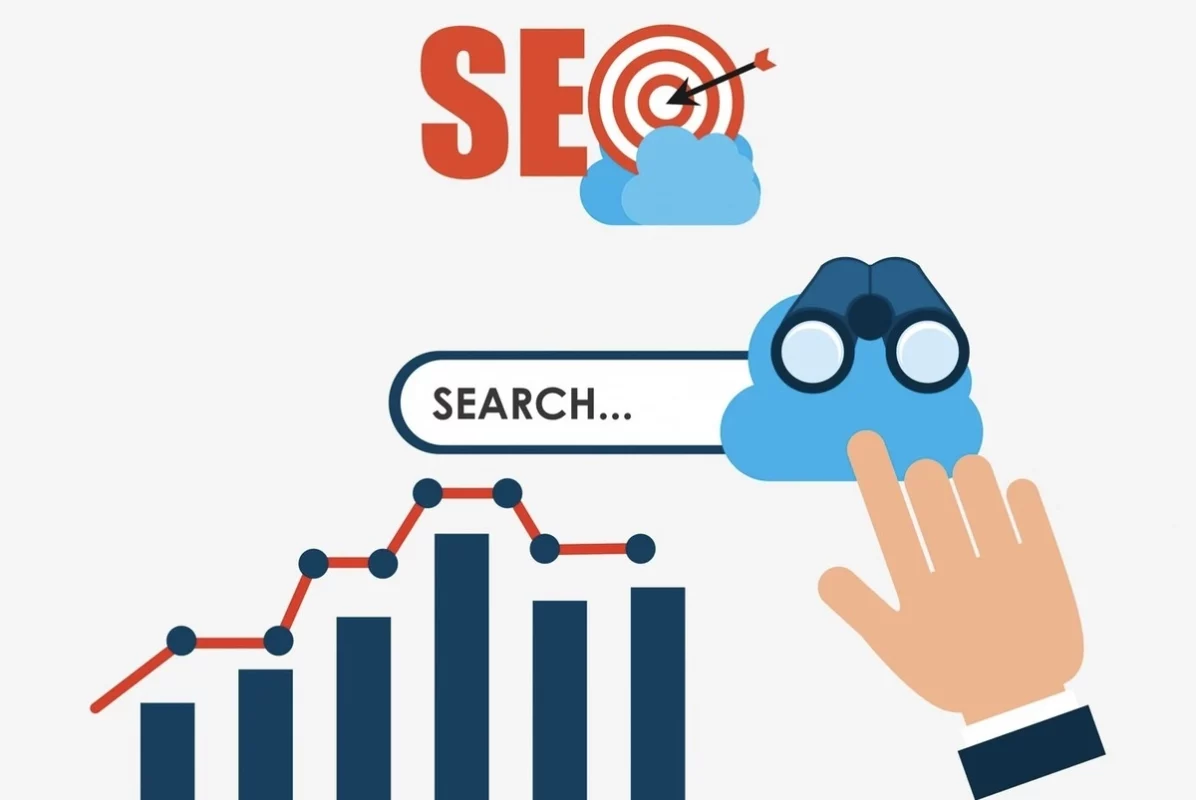
Search Engine Optimization (SEO) is a blend of art and science to get your website ranked organically (for free) in search engine results pages (SERPS). It is the process of helping your content achieve placement in front of the right people without paying for each click.
For example, when someone searches “best running shoes” and clicks on a blog post or a product page instead of an Ad – that is SEO!
Core Components of SEO
- On-Page SEO – Finding the right keywords, optimizing content, adding internal links, creating great meta titles and headers.
- Off-Page SEO – Gaining backlinks from credible websites, authority, engagement, and mentions.
- The Technical SEO – Ensuring your site loads quickly, is mobile-friendly, and is easy for search engines to crawl and index.
SEO is not an overnight success (most of the time), but it has untold power when it comes to building visibility, trust, and growth for the long haul.
What is Google AdWords (Google Ads)?
Google Ads, which was previously named AdWords, is Google’s advertising platform. Users can bid on keywords to place ads above the organic listings in the search engine results. You only pay when someone activates the advertisement and clicks on it (hence the name pay-per-click or PPC).
If you’ve ever scrolled through search results on Google and seen results that are covered by the word “sponsored” at the top of the search, that is Google Ads.
Common Types of Google Ads
- Search Ads – Text-based ads above organic listings.
- Display Ads – Banners or visual placement ads on the web.
- Video Ads – Ads shown at the start of video content on YouTube or during the video content.
- Shopping Ads – Ads for products that show pricing and image in the search.
- Remarketing Ads – Ads shown to users who visited your website but did not convert.
Google Ads is a great way to create immediate visibility, spike traffic to your site, launch a product, or promote a seasonal event!
Key Differences and Shared Goals
When you first look at SEO and AdWords, they’re easy to see as competitors—one is organic, the other is paid. But in reality, they share the same goal: getting the right people on your website and converting visitors into returning customers.
Now, let’s break down where they differ and where they have the same goals.
SEO vs AdWords: Ways They Differ
Here is a side-by-side comparison of the earlier information to help you understand the key differences:
| Feature | SEO (Search Engine Optimization) | Google AdWords (Google Ads) |
|---|---|---|
| Traffic Type | Organic (free clicks) | Paid (pay-per-click) |
| Cost | Time-heavy, less money | Budget-based, scalable costs |
| Speed of Results | Slow build-up, long-lasting | Instant visibility |
| Lifespan | Evergreen content, compounding value | Ends when the ad budget stops |
| Best For | Building authority & long-term growth | Promotions, product launches, quick wins |
| SERP Position | Below ads, ranked by relevance | Top positions, labeled “Ad” |
| Click Behavior | More trust-based | More action-oriented |
Fun Fact: Users often have more trust in organic results, but they click on ads when they are ready to take action to buy, sign up, or call.
Common Goals of SEO and AdWords
While they approach their goals differently, SEO and AdWords share some core goals. That is why they work so well together.
- Visibility – Both of these channels exist for the purpose of getting your brand in front of searchers at the right time.
- Click-Through Rates (CTR) – When both an ad and organic listing appear, CTRs increase dramatically.
- Targeted Traffic – Whether you’re targeting users through keywords or optimizing content, both can bring in users who have purchasing intent.
- Conversions – At the end of the day, we are all looking to drive leads, sales, and ROI.
- Brand Trust and Awareness – When your website is found in both a paid and organic listing, trust and brand familiarity are followed.
How SEO and AdWords Work Together: The Secret to a Winning Digital Strategy
When it comes to digital marketing, you don’t have to choose SEO or AdWords. In fact, the most successful campaigns leverage both to build momentum, reach a wider audience, and create smarter results.
Below is the exact breakdown of how SEO and AdWords work together to fuel your growth—and how you can utilize that synergy for your brand.
1. Acquire More SERP Real Estate
When your ad position is at the top and your organic listing is right underneath it, you are basically taking over the first page of Google. You will occupy more SERP real estate, get more exposure, create a sense of trust, and add to your competitive advantage.
Why It is Important: When a user sees your brand in two places, they are more inclined to click because it feels more credible.
Quick Tip: For high conversion keywords, run a Google Ads targeting campaign while you optimize organic blog or landing pages based on the same targeted phrase.
2. Test SEO Keywords with AdWords
SEO takes time and can be expensive. You do not want to be optimizing for the wrong keywords. By using Google Ads as an experiment, you can quickly find the keywords that provide clicks and conversions.
Example: You can test two similar long-tail keywords using PPC. You can review performance metrics (i.e., bounce rate, conversion rate) and then use the allegiance of the top performer in your SEO content plan.
Bonus: Check out your Search Terms Report in Google Ads to uncover some hidden gems of keywords you never even thought about optimizing for.
3. Retarget Organic Visitors Who Did Not Advance in the Funnel with Remarketing Ads
What if someone stumbled onto your website through an SEO optimized blog post, and they did not convert? You could retarget that visitor and bring them back into the funnel with targeted ads through an offer on Google AdWords
Scenario: The visitor read your article titled “Best CRM Tools,” but they did not sign up. You could show them a limited-time offer or offer a free demo, through remarketing ads later.
Why this Works: SEO builds interest, and AdWords gets them back into the ads when they are ready to take action.
4. Improve Your Ad Quality Score with SEO Best Practices
Google Ads uses a quality score system to determine how relevant your ads are. One major factor is the landing page experience, obviously an area where SEO can help.
SEO Landing Pages: These pages should be:
- Fast loading
- Incorporating keywords
- Mobile friendly
- Easy to navigate
A better quality score = a lower cost per click (CPC) + better ad placement.
Pro Tip: Build your Ad landing pages as you would build a blog post with a clean structure, internal links, and helpful information.
5. Increase CTR Through Improved Brand Visibility
When users see your site in both paid and organic results, they are more likely to click. Seeing your site in both paid and organic results can improve CTR by as much as 30%, according to WordStream.
Think about it: If a brand appears multiple times in search, it seems likely to have a more trustworthy identity. This is especially true if brand competitors do not show up at all.
Smart Strategy: Target branded keywords in both paid and organic targeting so that your brand’s presence is not competing with competitors.
6. Align Messaging Between Channels
Have you ever clicked on an ad that said one thing and then landed on a page that said something completely different? Not pretty.
Using your knowledge of SEO content (e.g., best performing headlines, FAQs, meta description elements) can help you build better ad copy and vice versa. This builds a core message that users will see consistently across your touchpoints.
For example, if you have an SEO post “How to Save Money with Smart Home Devices” ranking, you can add a paid ad leading to that page and calling out the same benefits in the ad.
7. Use Paid Ads to Fill SEO Gaps
Some keywords are too competitive to rank, at least not yet! This is where AdWords comes into play! You can quickly bid for that visibility now, at the same time, build up the SEO strength for it long-term.
Paid ads serve the short game, and SEO serves the long game.
Use Case: If you were a new addition to a niche with many players, you could get immediate traction with Google Ads while publishing SEO content to build traction organically over time.
Paid ads serve the short game, and SEO serves the long game.
8. Unified Data = Smarter Decision Making
Combining all of your data from Google Search Console, Google Analytics, and Google Ads provides you with a 360° view of what people want, how they interact with your ads and webpages, and where they convert.
- Use PPC data to find high-intent keywords for SEO.
- Use SEO traffic to inform or define ad targeting.
- Track user paths from ad click ➝ (click to landing page) ➝ conversion.
Better data = better strategy
Quick Summary: Why They’re Better Together
Here’s how SEO and AdWords work together to help you scale:
| SEO Strengths | What AdWords Adds |
|---|---|
| Long-term organic traffic | Immediate traffic from high-intent users |
| Builds brand trust and authority | Boosts visibility during critical campaigns |
| Content-rich landing pages | Retargets users who didn’t convert |
| Informs content direction via user data | Tests new keywords fast |
When combined, they give you the best of both worlds.
Benefits of Combining SEO and AdWords
When executed effectively, using Google Ads, plus SEO, is more than a smart tactic; it is a sustainable competitive advantage. Here are the key reasons that combining the two channels means you can elevate your marketing:
1. More Intelligent Keyword Data = More Intelligent Strategy
With SEO and Google Ads, you are getting double the keyword data. This means you can understand:
- What search terms convert for clicks and conversions?
- How user behavior differs between organic traffic and paid traffic.
- Which content/offer performs best at each stage of the funnel?
Expert Tip: Use PPC to test keyword concepts before building long-term SEO content. This way you can maximize ROI, reduce risk.
2. Cheaper Content & Funnel Testing
SEO is a marathon. Google Ads is a sprint. Marry these two channels, and you’ll have the ability to provide real-time feedback data quickly and help take the fast-tracker approach to your SEO decision-making.
- Ad not converting, maybe the headline needs to be altered?
- The organic page is not performing? Push traffic using PPC and redirect or A/B test your changes.
This real-time feedback loop takes your funnel and makes it leaner, meaner, and more profitable.
3. Lower Cost Per Conversion (Over Time)
Yes, Google Ads cost money—but here’s the point—when implemented with SEO, your total cost-per-lead will decrease over time.
Organic traffic is free traffic, while paid ads have immediate ROI. Together, they create a meaningful customer acquisition strategy that is fast and sustainable.
As a result, you can avoid raising your ad budget repeatedly to remain relevant.
4. Increase in Brand Authority and Trust
Presence in both organic and paid results creates repetition, recognition, and reliability with your audience.
People trust brands they see frequently, especially brands they see in multiple formats across search and the web.
SEO builds trust and Google Ads creates brand presence; together, they enhance your credibility and allow you to own your niche.
5. Higher Conversion Rates with Improved Targeting
Generally, organic users are in the research phase, but paid ad users are usually eager to act.
When you target both customer types, you have users at all stages of the buying journey:
- At the top of the funnel, positioning SEO blog posts and how-to content.
- At the middle or bottom of the funnel, through Google Ads for offers, demos, or product pages.
You’re not just driving traffic—you’re leading users down a path toward conversion.
Final Thoughts
Digital marketing is not all about SEO or Google Ads. It’s about using the strengths of both SEO and Google Ads together to create a coherent digital marketing strategy that can produce better results.
Once you understand how SEO and AdWords work together, you will see something bigger than rankings or clicks. You’re creating a system that:
- Develops trust and visibility through quality content over time (SEO).
- Generates immediate leads and sales through targeted growth of reach (AdWords).
- Provides insight into your content, ads, and user journey in actionable ways.
Whether you are a startup trying to gain traction or a brand going through an expansion phase, having SEO and AdWords builds the framework of the system that will help you connect with the audiences you need, at the right time and on the right terms.
So, stop treating SEO and Google Ads as isolated silos. Leverage them together, align your messaging, and allow them to inform each other. That’s where the magic happens.
Frequently Asked Questions About How SEO and AdWords Work Together
Q1. What is the difference between SEO and AdWords?
SEO usually generates free traffic through organic search over time, while AdWords (Google Ads) generates immediate traffic through paid advertising.
Q2. How do SEO and AdWords help each other?
AdWords can test keywords for SEO, retarget organic site visitors, and fill in rankings that SEO was not able to get to, while SEO is building long-term, trusted authority.
Q3. Why would I want to use SEO and AdWords?
Using SEO and AdWords provides a short-term return on investment through AdWords and a long-term return through SEO.
Q4. Will Google Ads help my SEO rankings?
Not directly. Google Ads does help increase website traffic and engagement, which may indirectly help SEO.
Q5. Can I use SEO and AdWords together?
Yes. Using both SEO and AdWords helps improve mini-distribution visibility, gain more clicks, and improve overall marketing effectiveness.