
Ten years ago, building a successful eCommerce business might not have been accessible to everyone. Nevertheless, it was far easier to ensure your brand stood out than it is today.
In 2026, there are more than 30 million eCommerce websites worldwide. And practically the entire consumer population has had some experience with online shopping. In fact, some data even suggests that 9 out of 10 people have purchased via eCommerce.
And sure, this data supports the idea that eCommerce is the future of shopping. However, it might also indicate the increasing difficulty of building brand and product awareness. Especially in saturated and competitive markets. So, how can you ensure the success of your eCommerce business?
The first step is simple. You have to invest in paid advertising and continually optimize customer experience. Nevertheless, it’s also worth noting that branding plays a tremendous role in driving eCommerce success.
You need to establish and maintain an attractive and well-aligned eCommerce brand identity. By doing so, you can:
- Ensure your target audience finds out about your offer
- Drive product desirability
- Ensure brand memorability
- Boost customer loyalty
- Gain better pricing power in competitive industries
Want to learn how to build an eCommerce brand identity? This guide covers the best strategies for ensuring your ideal customers know about and recognize your business. Furthermore, it provides actionable tips for using branding. Especially if your goal is to encourage your leads to choose your solutions over alternative options.
Establish a Visual Ecommerce Brand Identity
Famous brands, which are well-known worldwide, always have a recognizable visual identity.
Think of Apple, for instance. Its logo is so unmistakable that the brand is practically free to change it up in any way possible, and still guarantee recognition among its target audience.

But why are visuals so essential for branding? The reason lies in how the human brain operates.
According to psychological research, most of the information the human brain processes is visual. Even more, almost half of the mind is involved in processing this type of data.
And, yes, this information demonstrates the importance of visuals in effective communication. Yet, the question remains. How does visual brand identity affect consumers’ brand perception?
Well, research suggests the answer lies in how people form brand opinions. According to scientific data, the vast majority of their impressions are based on visual elements. These include web design and usability.
So, if you’re looking for proven methods to build a recognizable eCommerce brand identity, start with aesthetics. It’s the first thing your audience will notice about your brand. Moreover, it’s what your prospects are most likely to remember about your business.
For example, check out Start in Wyoming. This brand’s entire online presence follows the same visual style. This includes the majority of its visual branding elements. Nevertheless, the company’s blog and social media posts also follow similar aesthetic guidelines. This approach creates a highly recognizable identity. And it ensures brand memorability and differentiation in an otherwise competitive niche.
Maintain a Consistent Brand Voice Across All Distribution Platforms
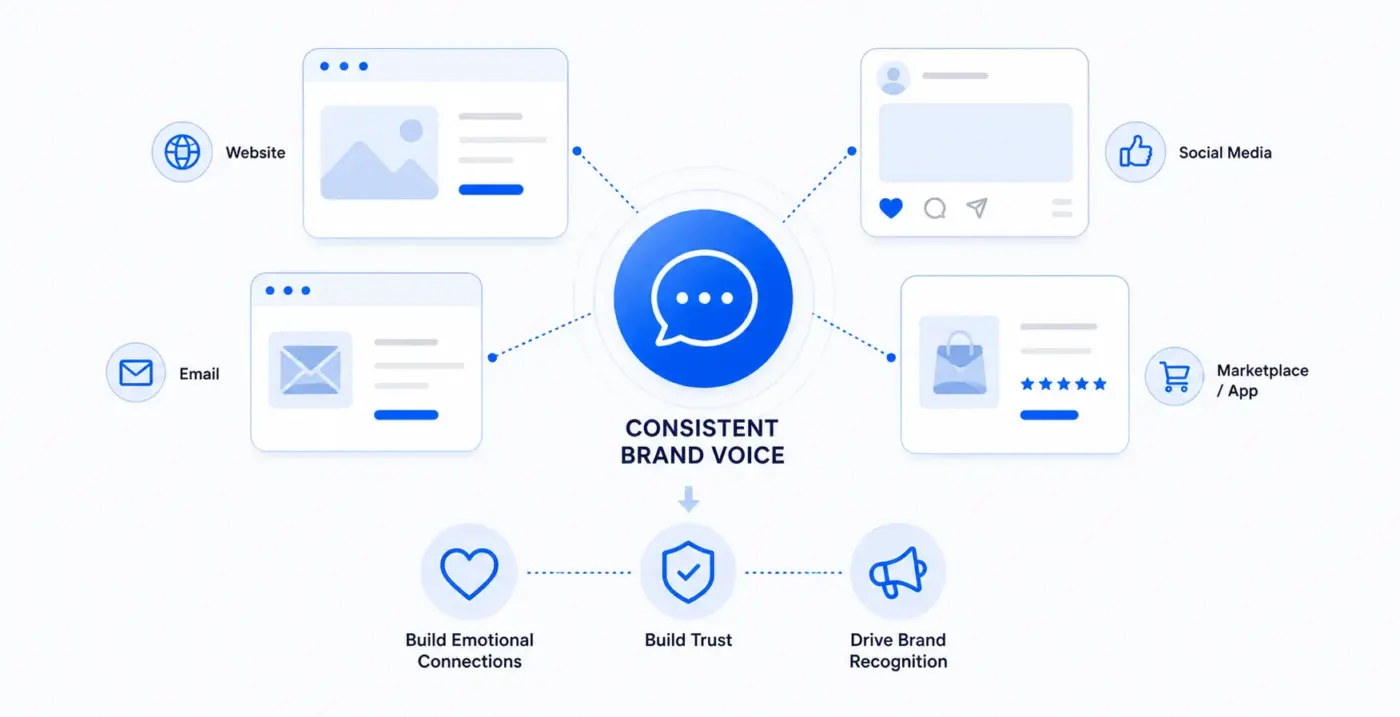
Voice is just as recognizable, memorable, and impactful as visuals. The way a business talks to its customers directly influences how those customers are going to perceive (and remember) it.
According to data, most shoppers are tired of businesses treating them as numbers or just a source of revenue. Instead, people are seeking to build genuine, meaningful relationships with the stores they plan on buying from.
So, paying attention to communication is essential. Particularly for businesses trying to build an attractive eCommerce brand identity.
Essentially, voice is crucial in building relationships. And it plays several parts at once:
- It can establish emotional connections between companies and their ideal customers.
- It can develop trust through consistency and authenticity.
- And it can ensure brand recognition, which is crucial for ensuring long-term success.
Check out how Sewing Parts Online uses voice to establish its identity across a variety of digital platforms. This business knows how its target audience wants to be addressed. They want friendly service. And they desire educational value. So, Sewing Parts Online applies these elements to its branding strategy across multiple channels (to ensure consistency), including its blog posts, social media content, and YouTube tutorial videos.
Develop Recognizable Customer Experiences
What do shoppers want from brands when spending their hard-earned money? Research suggests that they want next-level customer experiences.
And, sure, CX wasn’t traditionally treated as an element of branding. But the way modern consumers demand (and treat it), it actually is an integral part of your eCommerce brand identity.
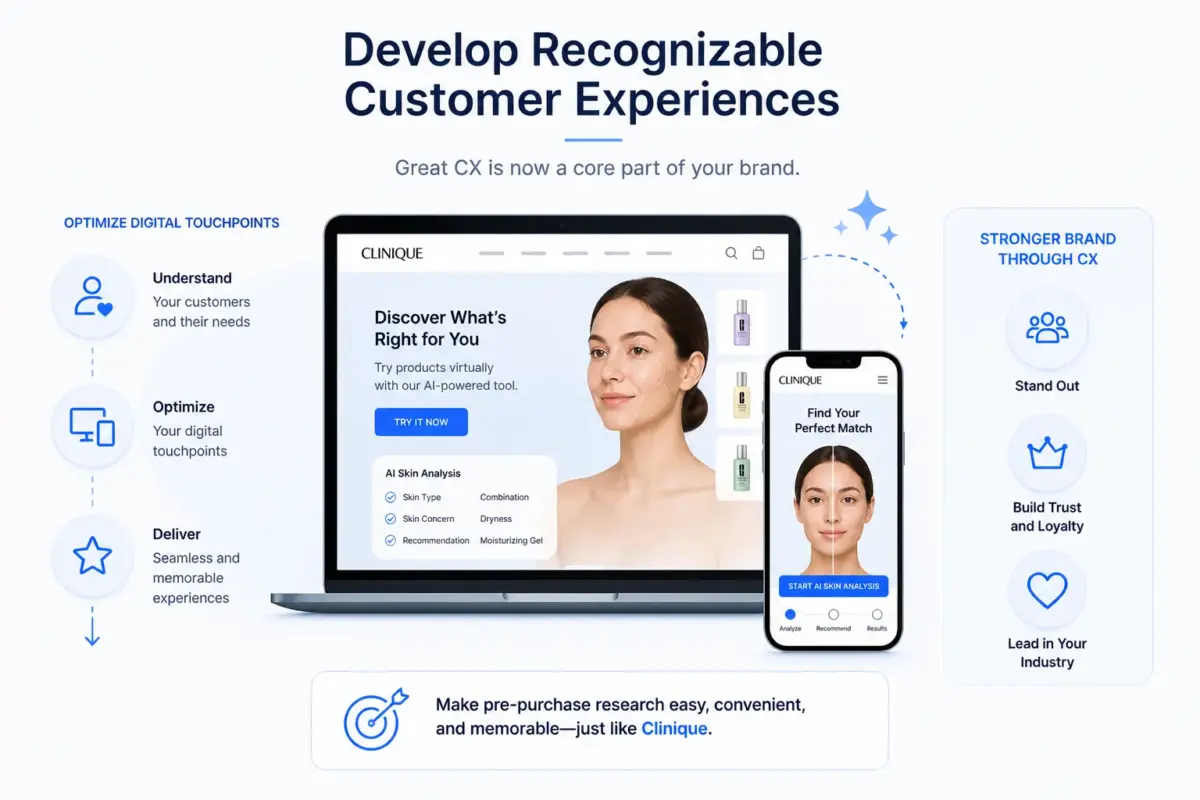
So, how do you use CX to develop an appealing brand strategy that can help your business stand out? Well, start by optimizing your digital touchpoints to benefit your target audience.
Clinique, for instance, knows how first-hand experience is important to its buyers. But it also knows that most people prefer to shop for skincare online. So, it doesn’t force potential customers to go to a retail store, try on products, and decide if they’re the right option. Instead, it enables shoppers to evaluate products virtually.
Moreover, it provides easy access to its AI-powered tool within relevant blog posts. This strategy makes pre-purchase research exceptionally convenient and memorable. And it positions Clinique as a leader in the skincare industry, especially in CX.
Highlight Brand Values
Ecommerce brand identity doesn’t just depend on what your company looks or sounds like. Nor is it solely based on how you treat your customers.
Instead, there’s a whole breadth of factors that affect the way consumers perceive your business. Brand values are one such factor — and a very important one at that.
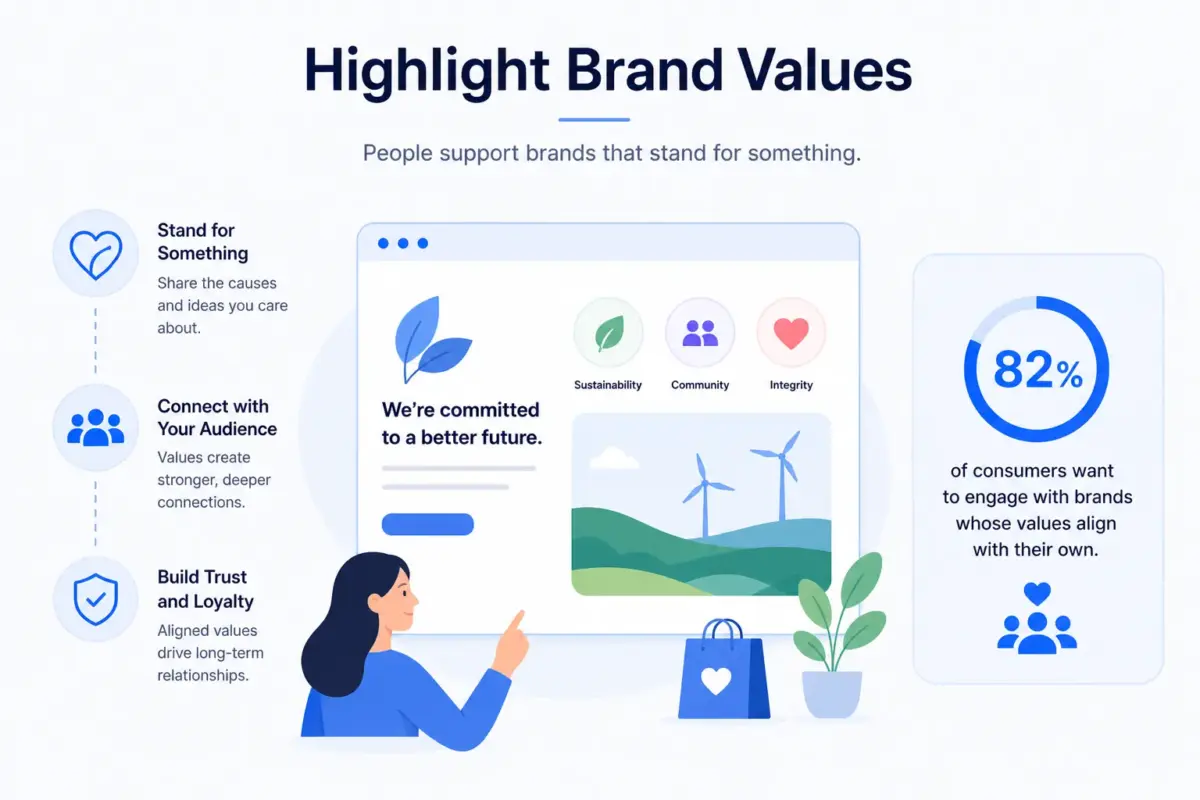
According to research, many consumers choose which brands to support based on what those brands stand for. In fact, studies show that brand values are crucial for identity and perception. For instance, 82% of consumers want to engage with brands whose values align with their own.
So, as you learn about how to build an eCommerce brand identity, don’t be shy about highlighting any causes or ideas your company is passionate about.
For example, Allbirds is a business that’s hugely committed to environmental issues. And it knows these are important to its ideal customers. So, it uses every opportunity it can to emphasize its ESG claims. The outcome? This branding strategy has established this business as a leader in the sustainable apparel niche.
Allow Satisfied Customers to Define Your Brand’s Identity
In some cases, the most powerful way to position your brand won’t be to say what it stands for. Nor will it be to silently deliver next-level customer experiences.
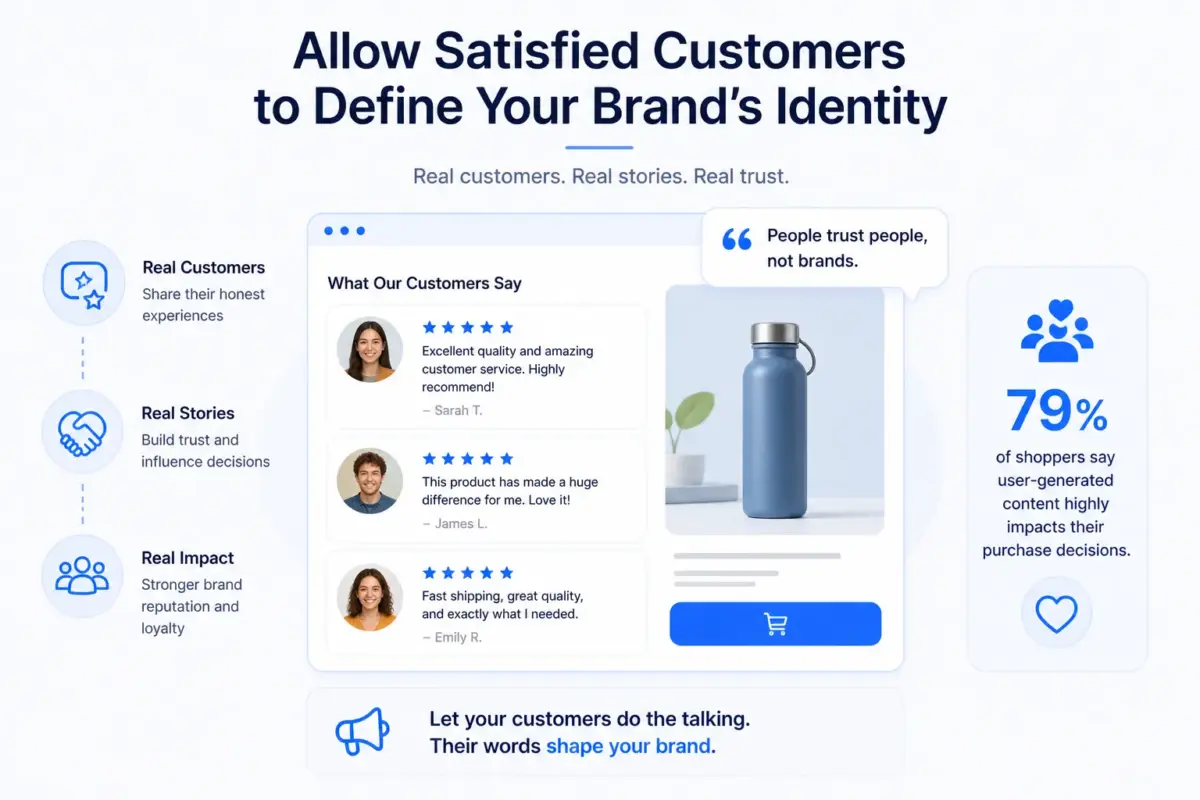
Instead, when building a brand identity, using your customers’ words might just be the most effective tactic. Shoppers are far more likely to trust user-generated content than branded messaging. Especially in shopping situations where they don’t feel competent enough to make a smart and safe purchase decision.
So, don’t try to find ways to show your target audience that your business is reliable. And don’t simply state that you offer high-quality solutions or great customer care. Instead, let your satisfied customers do the talking.
For instance, check out how Mind Lab Pro does it in the Case Studies section of its Blog. Here, the business features customer voices with one single goal. To establish a credible and trustworthy identity. The user-generated feedback acts as a valuable format of social proof. Furthermore, the customer photos ensure authenticity. Plus, they contribute to the brand’s reputation as a reliable industry authority.
Use Storytelling
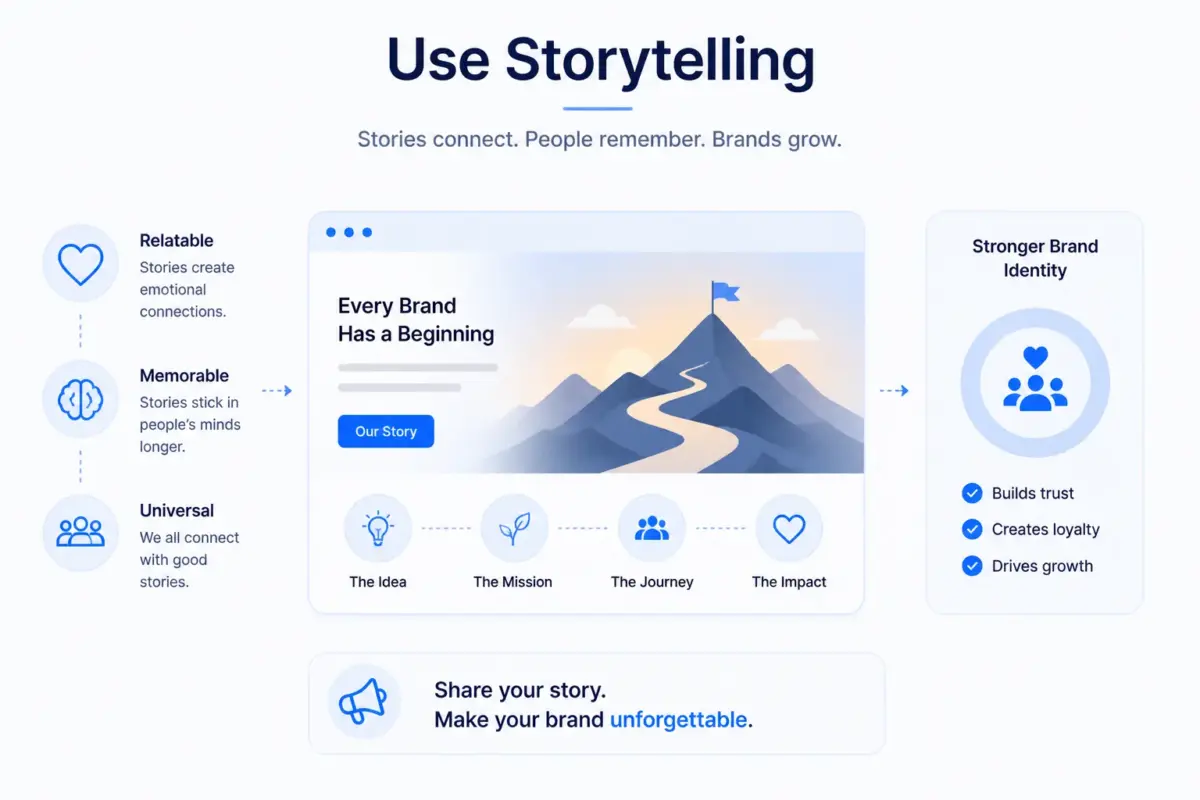
What’s the most effective content format that is both relatable and memorable? And what types of narratives do all humans gravitate toward? Without a doubt, it’s stories.
Sure, storytelling is often perceived as a gimmick. Sometimes it’s even seen as a corny marketing strategy that doesn’t really resonate. Yet, research shows that storytelling can be an exceptional way to build an eCommerce brand identity.
If you’re not convinced, just think of a famous business and its origin myth.
TOMS, for instance, began with a mission to provide footwear to children in need. The Dollar Shave Club began its journey with humorous videos explaining why men needed a simple and reliable razor subscription service. And Patagonia outright invited its target audience not to buy its products, knowing that the message would convey everything they needed to know about what the brand actually stands for.
Invest in Content That Will Attract and Engage Prospects Across the Entire Sales Funnel
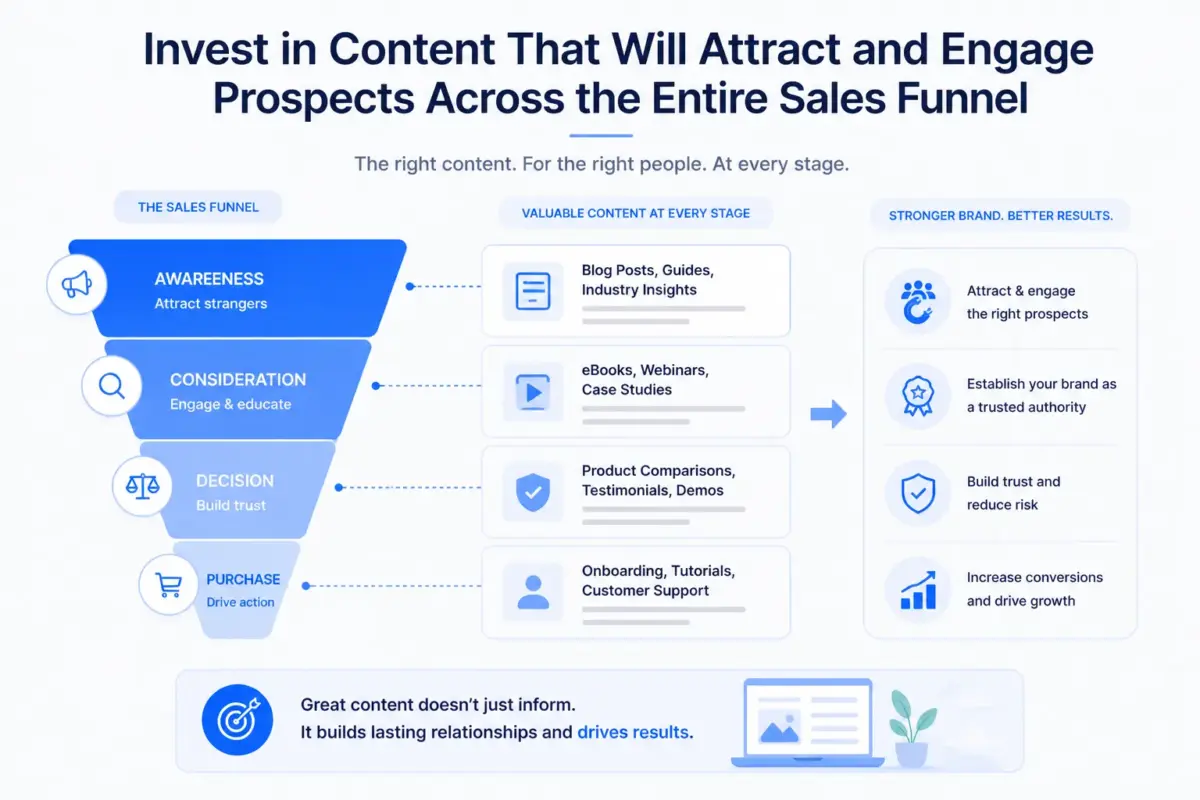
Branding can be a complex task — especially in niche industries. And making mistakes is, unfortunately, a challenge that most businesses face.
One such mistake is thinking that creating a brand identity happens only when you’re actively running branding campaigns. But here’s the truth. Your customers will form impressions of your business during every single interaction.
So, how do you ensure your target audience forms a positive opinion about your company?
Well, one method would be to invest in high-quality content.
Present your prospects with valuable resources. That way, you won’t just attract them and raise brand awareness. Much more importantly, you’ll position your organization as a knowledgeable source of valuable information. This will be particularly useful when awareness-stage leads mature into purchase-ready prospects. Why? Because it will make them feel safe spending their hard-earned money with your business.
Check out how Scentbird does it on its company blog. This brand doesn’t just employ branding strategies to convince shoppers to subscribe to its service. Instead, it offers value to anyone, even those merely interested in scents. The outcome? Heightened brand recognition, better brand credibility, and a more streamlined sales funnel.
Develop an Attractive Loyalty Program
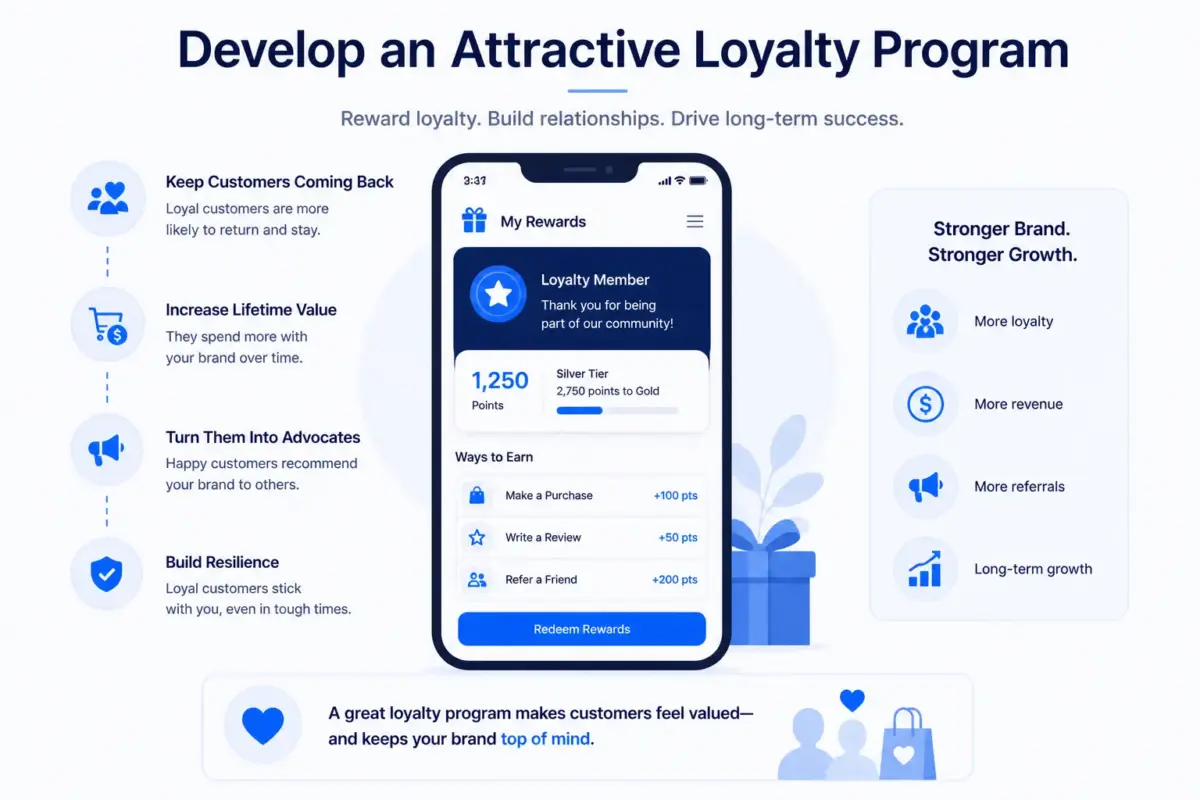
Great branding is of no use if it doesn’t contribute to your company’s longevity. True business success comes from keeping your prospects coming back to your brand over and over again.
Naturally, there are several methods to boost eCommerce customer lifetime value. But investing in loyalty is one of the best ones out there.
Research shows that loyal customers are the best ambassadors your business can ask for. They’re more likely to spend more with your business. There’s a high chance they’ll recommend your products to their peers. And they’re even more likely to stick around with your brand when times get tough.
But to ensure that happens, you have to make it attractive for them to remain loyal. A dedicated loyalty program can help you do that. Plus, it can help position your brand as a customer-centric business.
For example, check out how Blueland does this. This business knows that sustainability is a priority for its customers. But it also understands that shoppers want to be rewarded for their loyalty. So, it combines those two elements of CX. It uses blog content to position its Refills program as the best way to save money and be environmentally friendly. And, in doing so, it establishes its sustainable (and attractive) identity. Plus, it improves CLV.
Be Bold with Differentiation
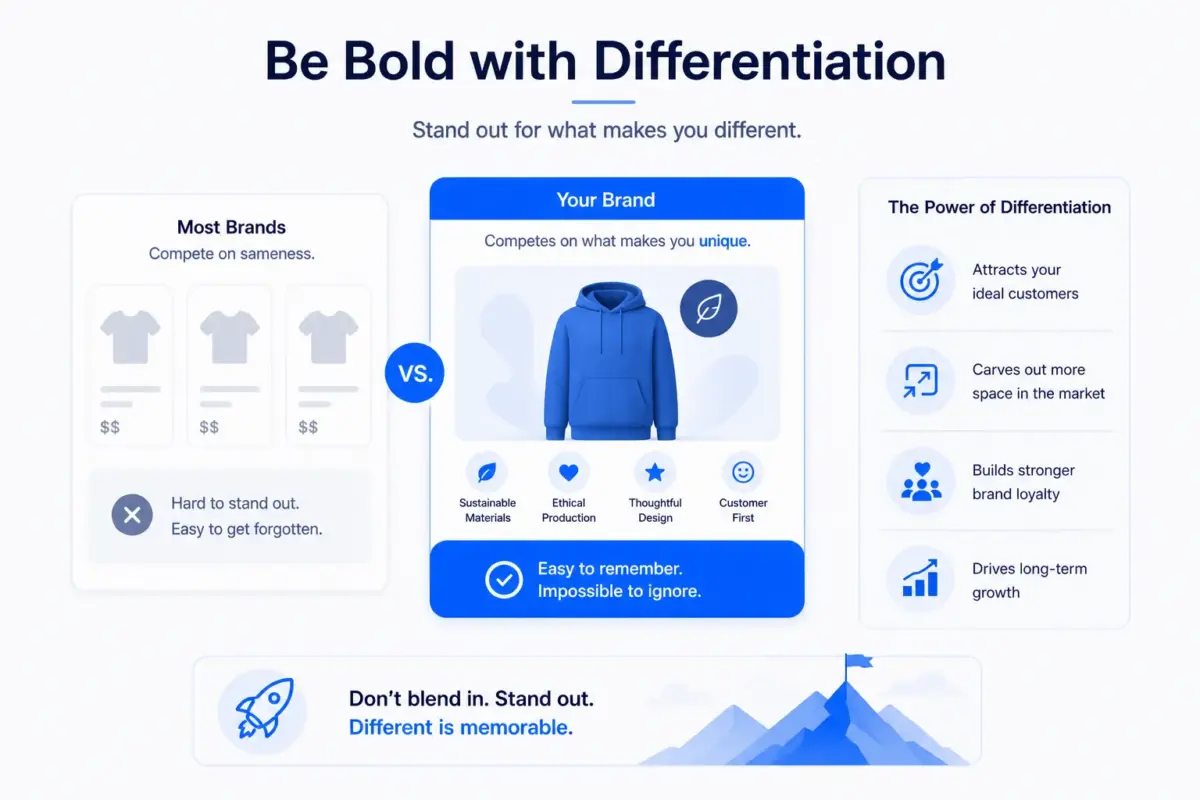
Sometimes, the best way to build an eCommerce brand identity is to highlight what makes your company different.
Most eCommerce niches are highly saturated. Brands are struggling with having too much competition. So, by using your branding tactics to say what makes your company unique, you can ensure alignment with your ideal customers. And you might even carve out a bigger space for your brand online.
Graza is an excellent example of a business that does differentiation well. In its blog posts, the brand tells the story behind its products. But Graza doesn’t just focus on publishing promotional content. Instead, it openly shares details about its supply chain. It justifies some of its ingredient decisions. And it recommits to its values, establishing its identity as a reliable, trustworthy brand that sells top-quality olive oil.
Don’t Forget About Offline Brand Experiences
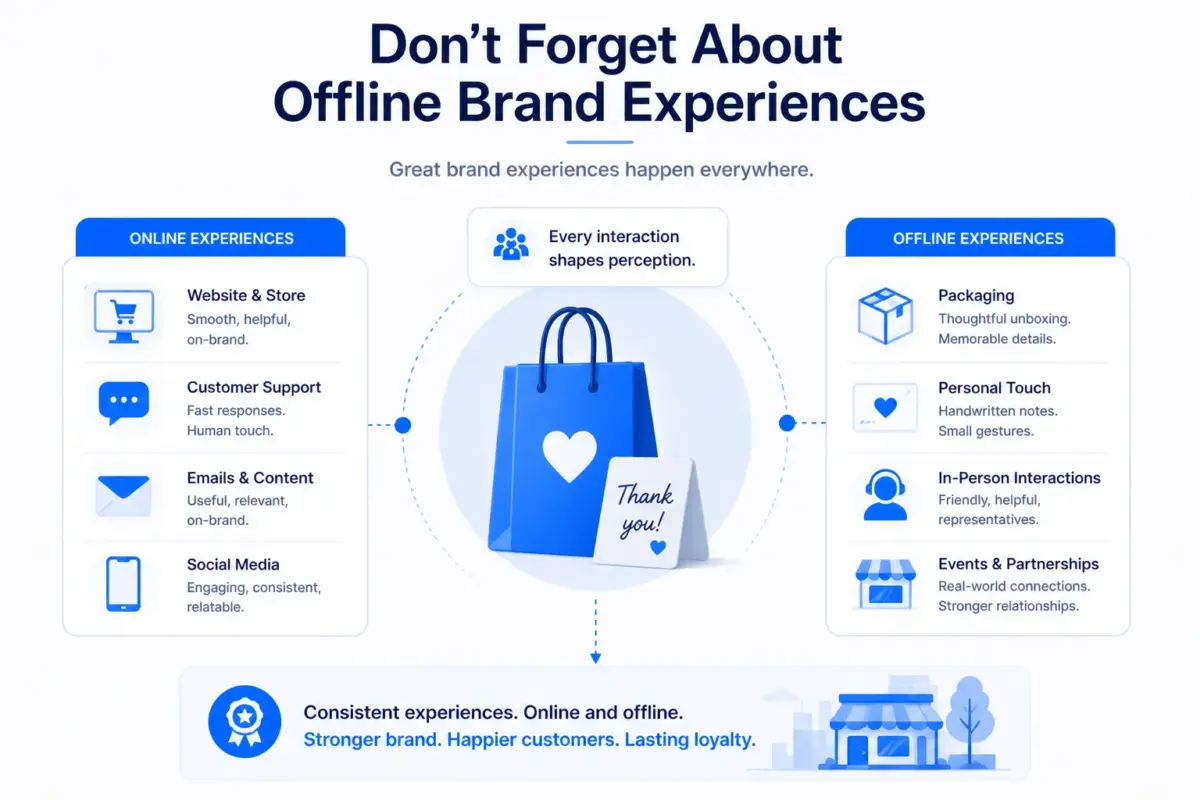
Finally, as an eCommerce brand, your branding tactics may focus on digital activities. But remember. Your audience will form opinions about your business at every opportunity they interact with your team or products. And that includes offline experiences as well.
So, don’t stop your banding efforts at online positioning. Instead, explore opportunities to make your clients fall in love with your business wherever possible.
For example, product packaging can be a great chance to wow your audience. Shipping as well. And if things go south, how you handle returns will also affect how your customers see your business.
Final Thoughts
Great branding can be an exceptionally valuable marketing strategy. Especially when trying to penetrate competitive markets.
So, do your best to build an eCommerce brand identity that will help you stand out. The ten tactics discussed in this guide are a great start. And, if needed, you can easily adapt them to ensure even better outcomes.