
Finding it hard to figure out the real value of your customers to your business? You are not alone! A lot of eCommerce founders and marketers invest lots of money in customer acquisition without ever determining if it is returning value in the long run.
Enter Customer Lifetime Value (CLV), the ‘number’ that will show how much revenue you may expect to receive from one customer during a lifetime of engagement with your brand.
This guide will demonstrate how to calculate customer lifetime value in eCommerce using easy and advanced formulas, case studies, and thorough methodologies for maximizing the value of every customer.
It does not matter if you are managing a Shopify store or a multi-brand eCommerce marketplace; understanding CLV will help you scale better, spend better, and retain longer. So let’s dive in step-by-step.
What is Customer Lifetime Value?
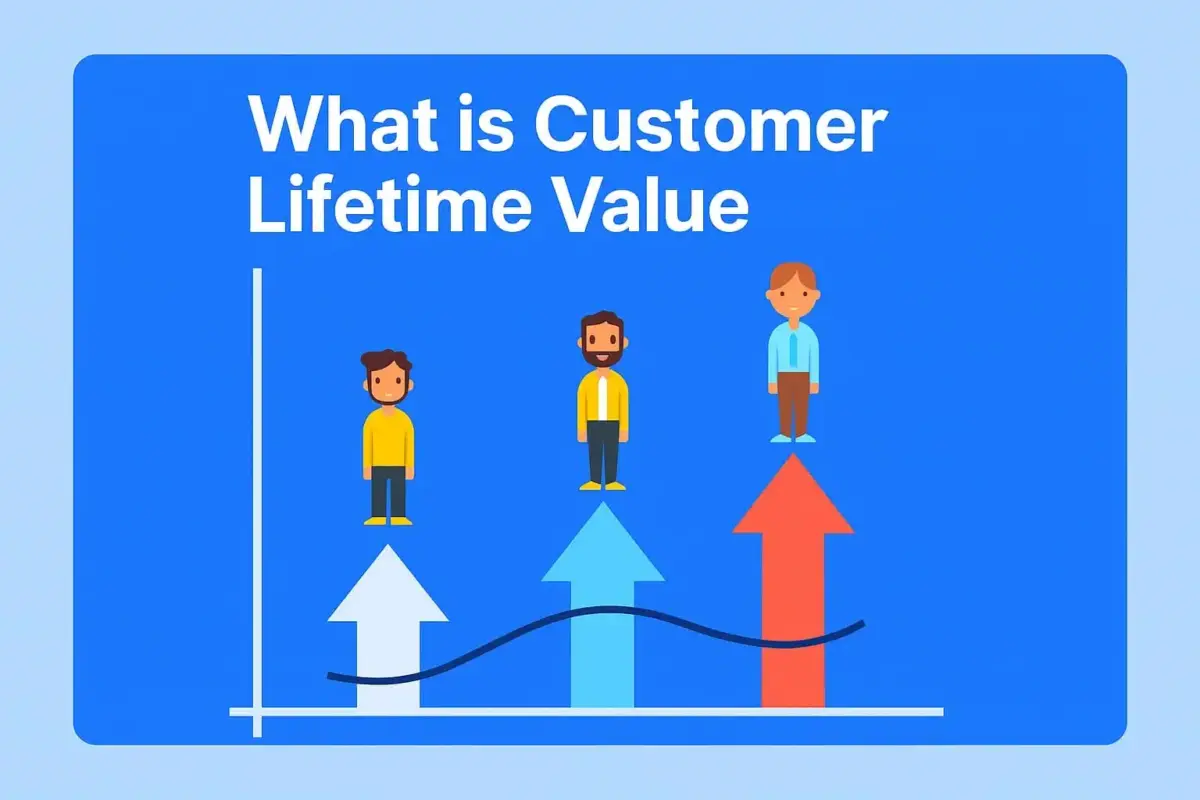
Customer Lifetime Value (CLV) in eCommerce is the estimate of the total revenue a company can expect from a customer from a single relationship. It provides a long-term perspective on how valuable each customer is over time: instead of thinking about the value of the relationship relative to their last purchase, it gives you an account of the value of their other purchases.
In contrast to short-term metrics like conversion rate and average order value, CLV focuses on long-term metrics of customer behavior — for example, repeat purchases, brand loyalty, and customer advocacy. CLV can help you answer questions such as:
- How long does the typical active customer stay?
- How frequently do they shop with us?
- How much do they spend on their entire journey?
Measuring CLV allows for informed decision making on customer acquisition costs, retention strategy, and overall profitability.
Knowing how to calculate customer lifetime value in eCommerce and then applying it is what distinguishes high-growth eCommerce stores from the stores that are perpetually focused on acquiring new customers.
Why Customer Lifetime Value Matters in Ecommerce?
Knowing how to calculate customer lifetime value in eCommerce is more than crunching numbers—it’s a meaningful strategic approach that encompasses almost every aspect of your business. Defining and calculating CLV creates a distinct competitive advantage because it prompts you to emphasize long-term success rather than short-term gains.
Here are three reasons to integrate CLV into your eCommerce strategy:
- Maximize Customer Acquisition Cost (CAC): When you know how much you can predict the customer is going to be worth over time, you can calculate how much you should spend to acquire that customer. Instead of worrying and asking whether you should spend $30 on a Facebook ad, you can spend it if you know the CLV is $300.
- Increase Customer Retention: As a byproduct of defining the CLV, you function in a retention-first mindset. It’s not just about acquiring new customers; it’s also about seeing repeat customers. Generally speaking, a higher CLV means people are coming back, spending more, and retaining.
- Better Decisions on Product & Pricing: CLV allows you to spot your most profitable customer segments, by which you can optimize your pricing, bundles, or subscription offers to maximize your average order value and frequency.
- Spotlight Investors & Scale Smart: If you’ll be raising capital or scaling operations, investors will want to know your CLV. The higher your customer lifetime value, the more attractive you are, as it conveys predictable revenue, strong brand loyalty, and long-term business viability.
- Unify Sales, Marketing, & Support: With CLV (customer lifetime value) as a shared KPI, your teams can unify their goals around their impact on customers over a lifetime, not just a one-time sale. This helps everyone communicate more easily with customers, and it strengthens the journeys customers take with your brand.
The bottom line? The more clearly you can articulate how you calculate customer lifetime value in eCommerce, the more strategic you will be, from budgeting to branding.
How to Calculate Customer Lifetime Value in Ecommerce
So, you’re ready to get into the numbers — but what’s the best way to figure out how to calculate customer lifetime value in eCommerce?
You’re in luck: there is more than one way, and you don’t need a finance degree to do it.
There are two basic formulas:
- The Basic CLV formula is more suited for small eCommerce stores and beginners.
- The Advanced (Predictive) CLV formula is better for scaling brands or those that have access to robust analytics.
Let’s break down each of them clearly.
Method 1: Simple CLV Formula
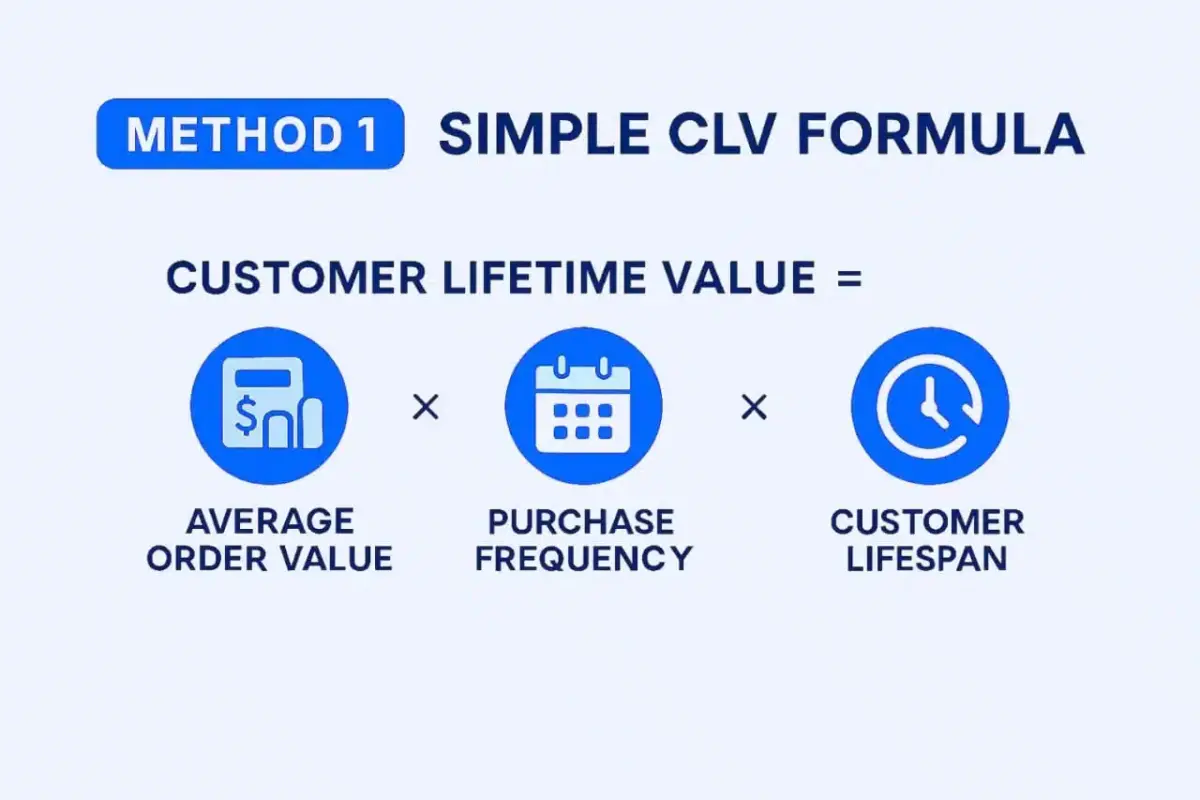
This is the base formula most eCommerce brands will use when just starting out.
Formula
Customer Lifetime Value = Average Order Value × Purchase Frequency × Customer Lifespan
Here is what each distinct part refers to:
- Average Order Value (AOV): Total revenue $ ÷ Number of orders
- Purchase Frequency: Number of orders ÷ Number of unique customers
- Customer Lifespan: Average amount of time (Years) a customer is active with your brand.
This will give you a decent revenue-based CLV. This CLV should provide a way to set acquisition budgets and figure out the buyer value over time.
Example
Let’s Say:
- You had $100,000 in revenue last year
- You had 2,000 orders and 500 customers
- Your average customer is active for 3 years
Then:
- AOV = $100,000 ÷ 2,000 = $50
- Purchase Frequency = 2,000 ÷ 500 = 4
- Lifespan = 3 years
CLV = $50 × 4 × 3 = $600
That means the average customer is worth $600 over their lifecycle.
Method 2: Advanced (Profit-Based) CLV Formula
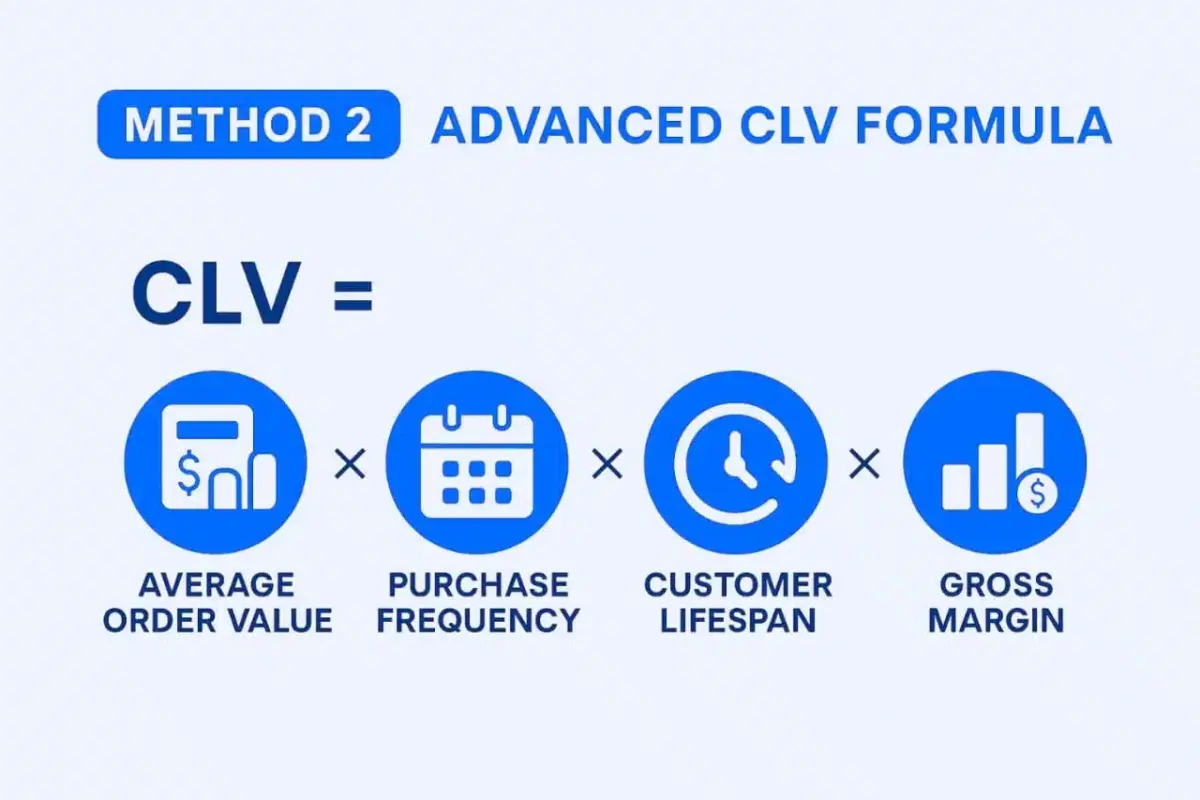
If you’re looking for something a little more accurate (and want to include your margins), then this is the one for you.
Formula
CLV = (Average Order Value × Purchase Frequency × Customer Lifespan) × Gross Margin
This version provides you with the actual profit from a customer and not just the revenue. This is what matters when making decisions.
Example
Let’s say:
- AOV = $50
- Purchase Frequency = 4 times per year
- Customer Lifespan = 3 years
- Gross Margin = 60%
Then:
- Revenue CLV = $50 × 4 × 3 = $600
- Profit CLV = $600 × 0.60 = $360
This means each customer is generating $360 in profit over their lifetime.
Do Not Know Gross Margin?
Gross Margin = (Revenue - Cost of Goods Sold) ÷ Revenue
If you are using Shopify, WooCommerce, or something similar, you can typically pull this information from your reports/dashboards or use apps like Lifetimely, Glew.io, or ProfitWell.
Bonus Tip: Use a Segmented CLV for Greater Accuracy
Considering the average CLV is better than not using CLV, however, if you are serious about growth, break it down by:
- Acquisition channel (Google Ads vs. email)
- Customer segment (New vs Returning)
- Product category (High-margin vs seasonal)
This will tell you the most profitable customers, and where to put your energy (and ad dollars).
Real Life Scenarios
In this section, we will put the numbers into context using two actual eCommerce examples. These examples will give you something tangible to associate with customer lifetime value in eCommerce with numbers.
One example will be a traditional eCommerce example (like a clothing brand), and the other example will be a subscription-based model (like a coffee box or SaaS-like store).
Let’s take a look at them step-by-step.
Example 1: Fashion Ecommerce Brand
Brand type: Mid-sized DTC fashion brand
Platform: Shopify
Media type: Young adults
Business model: One-off purchases (with some repeat buying)
Key Data
- Total annual revenue: $250,000
- Total number of orders: 5,000
- Total unique customers: 1,250
- Average customer lifespan: 2.5 years
- Gross margin: 55%
Step-by-Step Breakdown
- Average Order Value (AOV) = $250,000 ÷ 5,000 = $50
- Purchase Frequency = 5,000 ÷ 1,250 = 4 orders per year
- Customer Lifespan = 2.5 years
So, revenue-based CLV is: CLV = $50 × 4 × 2.5 = $500
To get profit-based CLV: $500 × 0.55 (gross margin) = $275
Takeaway: Every average customer is worth $500 in revenue, or $275 in profit. Therefore, the brand could afford to spend $100-$150 to acquire a new customer through ads, while still being comfortably profitable.
Example 2: Subscription-Based Coffee Box
Type of Business: Monthly subscription box.
Business Model: Recurring billing/monthly.
Platform: WooCommerce with Recharge.
Product: Gourmet coffee delivered monthly.
Key Data
- Subscription price: $25/month
- Average subscription duration: 18 months
- Gross margin: 65%
Calculation
Revenue CLV = $25 × 18 months = $450
Profit CLV = $450 × 0.65 = $292.50
Takeaway: This means each customer will be worth $292.50 in lifetime profit. Now the company can put their money where their mouth is and spend $100 – $150 to acquire each new customer through email marketing, influencer partnerships, or Google Ads, with confidence.
5 Proven Tips to Improve Customer Lifetime Value in Ecommerce
Here are 5 proven tips to improve customer lifetime value in eCommerce:
1. Create a Seamless Post-Purchase Experience
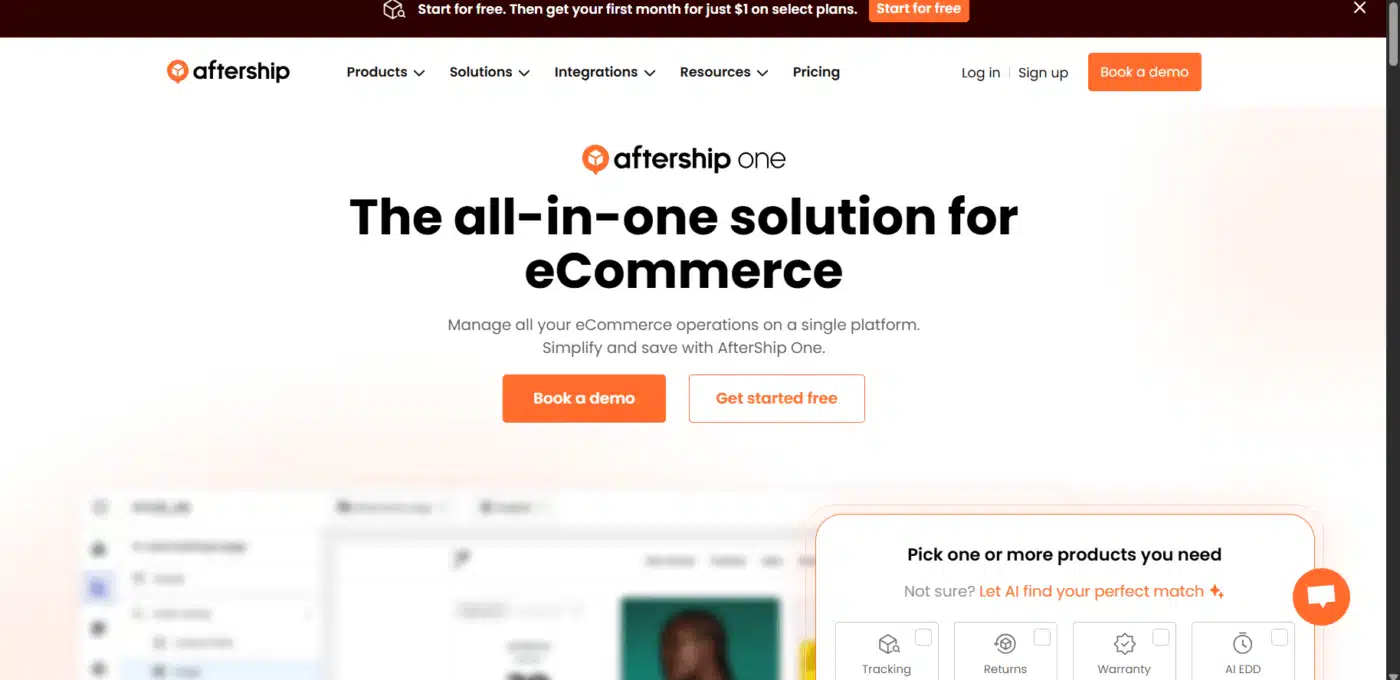
The journey doesn’t end after the purchase — in fact, it has only just begun.
To turn one-time buyers into loyal customers, make an effort to have a stellar post-purchase user experience. Examples include fast shipping, transparent communication, branded packaging, and follow-up purchases.
How to implement
- Automated thank-you emails with tracking info.
- How-to guides or tips for using the products as a part of your post-purchase email flow.
- Use AfterShip or other tracking tools for tracking and delivery communication.
- Send feedback of some kind or reviews a couple of days after delivery of the product.
Why it matters
A well-done post-purchase experience lends trust in your eCommerce store and encourages customers to purchase from you again for repeat purchases, while also increasing your customer lifetime value (CLV).
2. Provide Personalized Product Recommendations
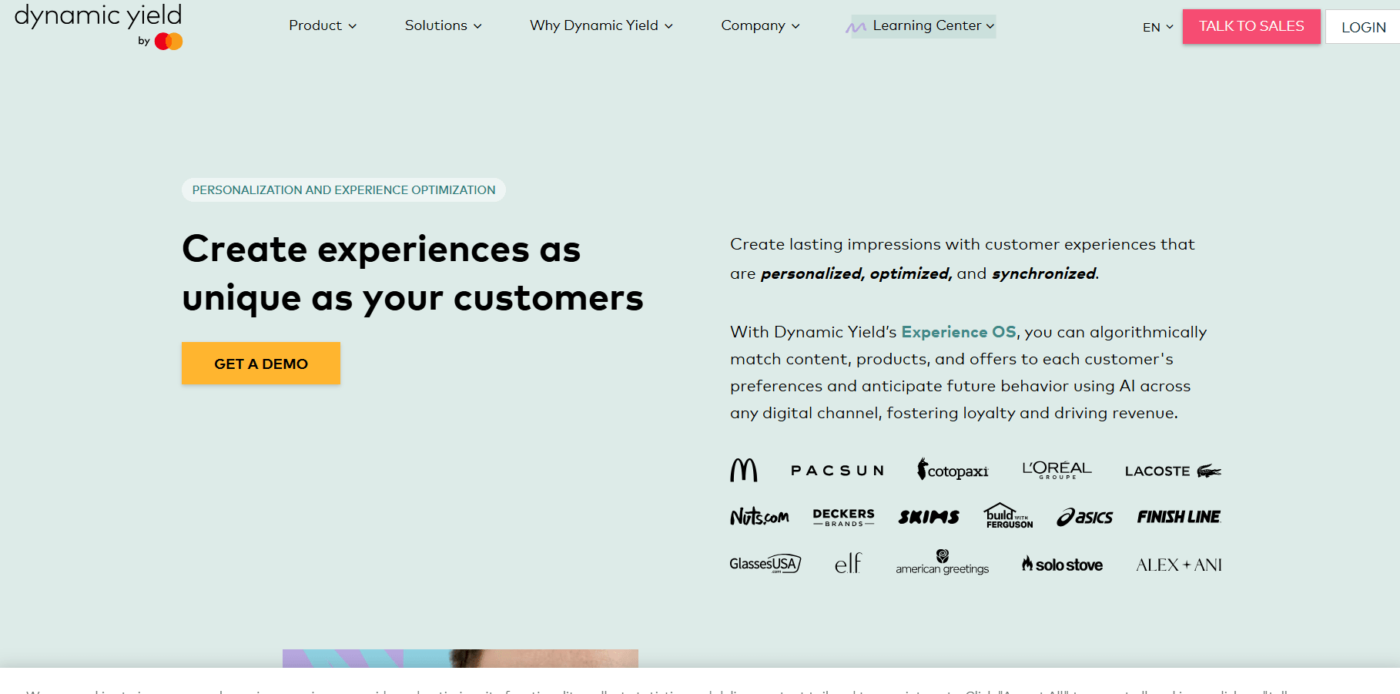
Generic promotions are so done. We are moving into multi-channel marketing, with hyper-personalized offers for the customer in 2025, that meet their needs, style, or behavior.
You can analyze purchase history with browsing behavior, share relevant recommendations with customers to make shopping easier, more enjoyable, and even increase sales.
How to implement
- Use tools like Klaviyo, Rebuy, or Dynamic Yield to supply AI-driven recommendations.
- Send browse abandonment emails with personalized product recommendations.
- Offer “You might also like” on product pages and shopping cart pages.
Why it matters
Personalization increases the chances of upsells and repeat sales, two major factors in increasing customer lifetime value in eCommerce.
3. Offer a Subscription Model or Replenishment Reminders
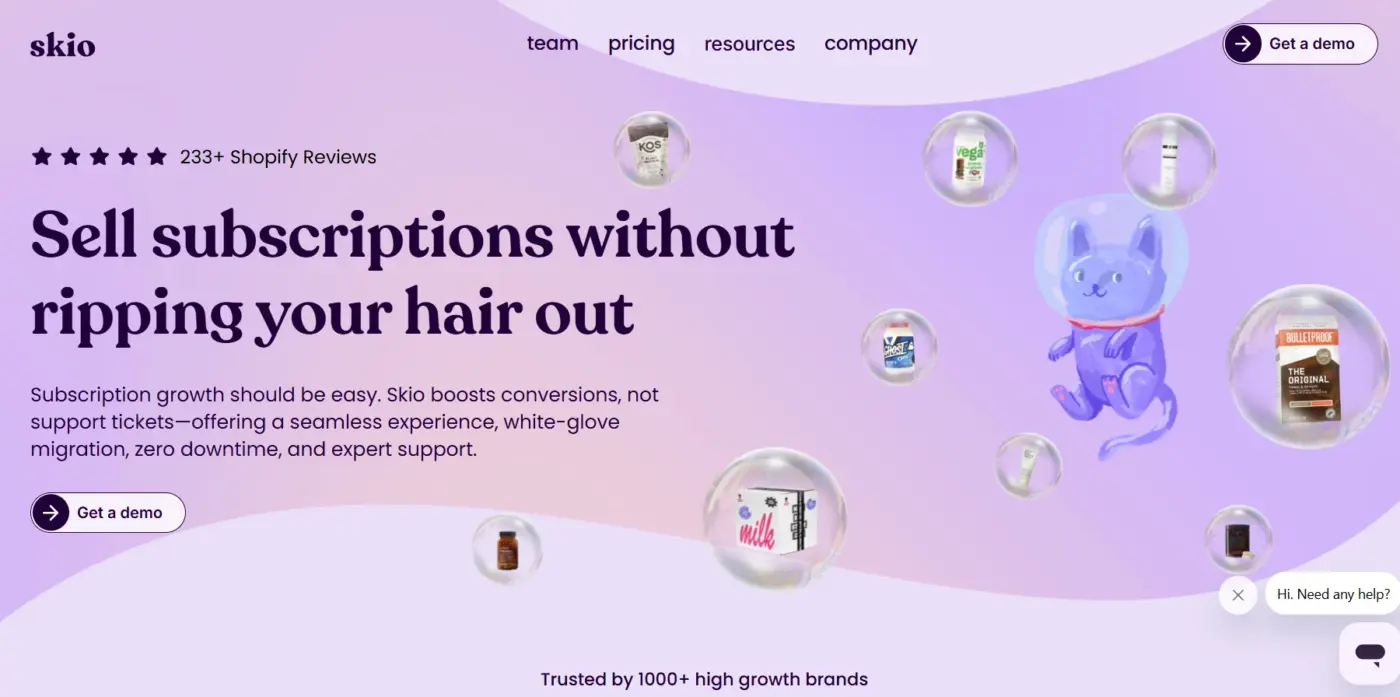
If you sell consumable or recurring-use products (i.e., skincare, supplements, pet food, etc.), you should consider implementing a subscription option or auto-replenishment reminders.
This, in turn, provides convenience for the customer and predictable recurring revenue for your brand.
How to implement
- Set up subscription functionality with an app, such as Recharge, Skio, or Bold Subscriptions.
- Provide incentives for subscription customers (discounts, free shipping, bonus gifts).
- Send automated reminders when a product is approaching the end of its lifecycle.
Why it matters
Subscription customers typically have a longer tenure, buy more often, and are far more loyal customers, which drives higher CLV.
4. Create a Tiered Loyalty Program
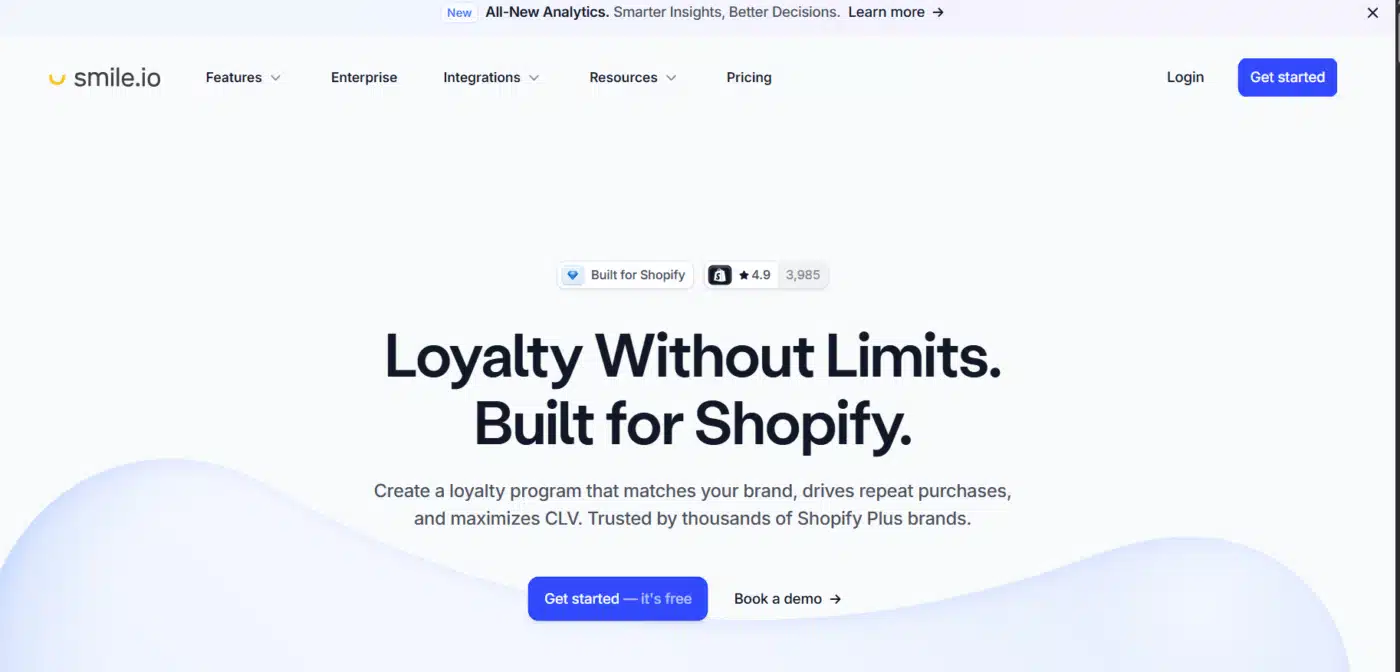
Everyone loves earning rewards, especially when it’s personalized and attainable.
A tiered loyalty program is a simple way to facilitate repeat purchases by giving customers an incentive to keep returning to previous purchases. The more purchases made, the greater the perks. Our tested list of the best WooCommerce points and rewards plugins shows which one fits your store.
How to implement
- Use platforms such as Smile.io, Yotpo Loyalty, or LoyaltyLion
- Find a way to reward points for purchases, referrals, reviews, and birthdays
- Create tiers (i.e., Silver, Gold, Platinum) with levels of rewards and VIP experiences
Why it matters
Loyalty programs provide customers with a reason to stay, especially when customers see value in returning. Tools like the WooCommerce Points and Rewards plugin help automate this by rewarding purchases, referrals, and engagement — increasing repeat purchase frequency and overall spend.
5. Analyze & Segment your High-CLV Customers
Not all customers are created equal. Some customers spend more, buy more times, and take longer to churn — these are your high CLV superstars.
Once you find them, you can target them differently, with exclusive deals, early access, or unique content just for them.
How to do this
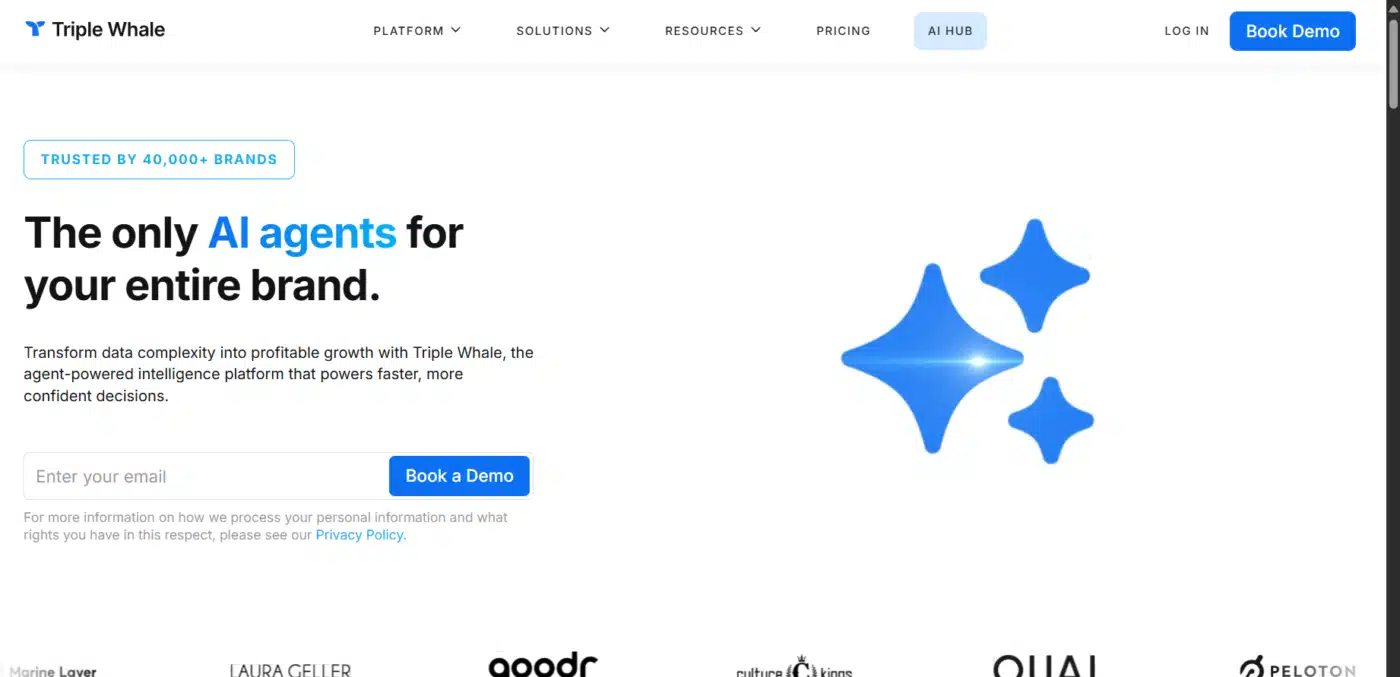
- Use tools like Glew.io, Triple Whale, or the Shopify Plus reports to find CLV by customer segment.
- Target email flows for your high-value group (VIP sales, special bundles, thank you gifts).
- You will also want to use lookalike audiences based on your top CLV customers to enhance your ad targeting.
Why is this important
By treating your top customers like VIPs, we develop their loyalty and retention, and by targeting similar prospects, we drive more high-CLV users.
Conclusion: Use Numbers to Create Strategy
At this point, you should be confident not only in how to calculate customer lifetime value in eCommerce but also in how to use that number to fuel growth.
Because Customer Lifetime Value isn’t just a vanity metric, it’s your guiding star for good business decision-making. CLV cuts all the noise and guesswork, and helps determine how to allocate current and potential resources.
Whether you’re working on ad budgets or product strategy, CLV informs where to dedicate time and resources. Which customers should to cultivated and kept long-term? And how to scale sustainably.
Here’s a brief recap:
- Utilize whichever Customer Lifetime Value for your stage of business — basic or advanced.
- Understand that gross margin is included in the calculations, so you receive valuable info with a profit-focused understanding.
- Utilize Customer Lifetime Value to inform, retain, loyalty, personalize, and segment.
Remember: We’re not trying to extract more dollars from every customer — we are trying to give more value so they keep returning.
In a current eCommerce ecosystem where acquisition costs are escalating and competition is plentiful, eating up market share, brands that understand their Customer Lifetime Value will always carry the title of advantage.
So go ahead — gather your numbers, crunch the formulas, and begin the process of translating customer data into predictable, profitable growth.
Frequently Asked Questions (FAQs)
Q1. What is Customer Lifetime Value (CLV)?
Customer Lifetime Value (CLV) is the total revenue expected from a customer over the life of their relationship with your eCommerce business.
Q2. Why is CLV important in eCommerce?
CLV helps you determine how much you can spend on customer acquisition and identifies the segments of the customer base that yield the best returns.
Q3. How do I calculate CLV in a simple way?
Use this formula: CLV = Average Order Value X Purchase Frequency X Customer Lifespan.
Q4. How often should I recalculate CLV?
You should review and update your CLV every quarter or after any major campaigns to keep it current.
Q5. Can I increase CLV without increasing prices?
Absolutely — you can increase CLV by working on retention, upselling, loyalty programs, and the post-purchase experience.