
Referral program names are more than labels; the right one tells customers exactly what to do, why it benefits them, and whether sharing feels worth their time.
Most stores that struggle with low referral participation don’t have a reward problem. They have a naming and showing problem. Dropbox grew by 3,900% in 15 months, largely because its program made the value very clear before anyone clicked anything.
In this post, you’ll learn 10 popular referral program names used by real brands, what makes each one work, which store types they fit best, and how to choose the right one for your WooCommerce store.
What Does a Strong Referral Program Name Look Like?
The name of your customer referral program is the first thing a shopper sees. It runs before they read the reward, before they check the terms, and before they decide whether to share.
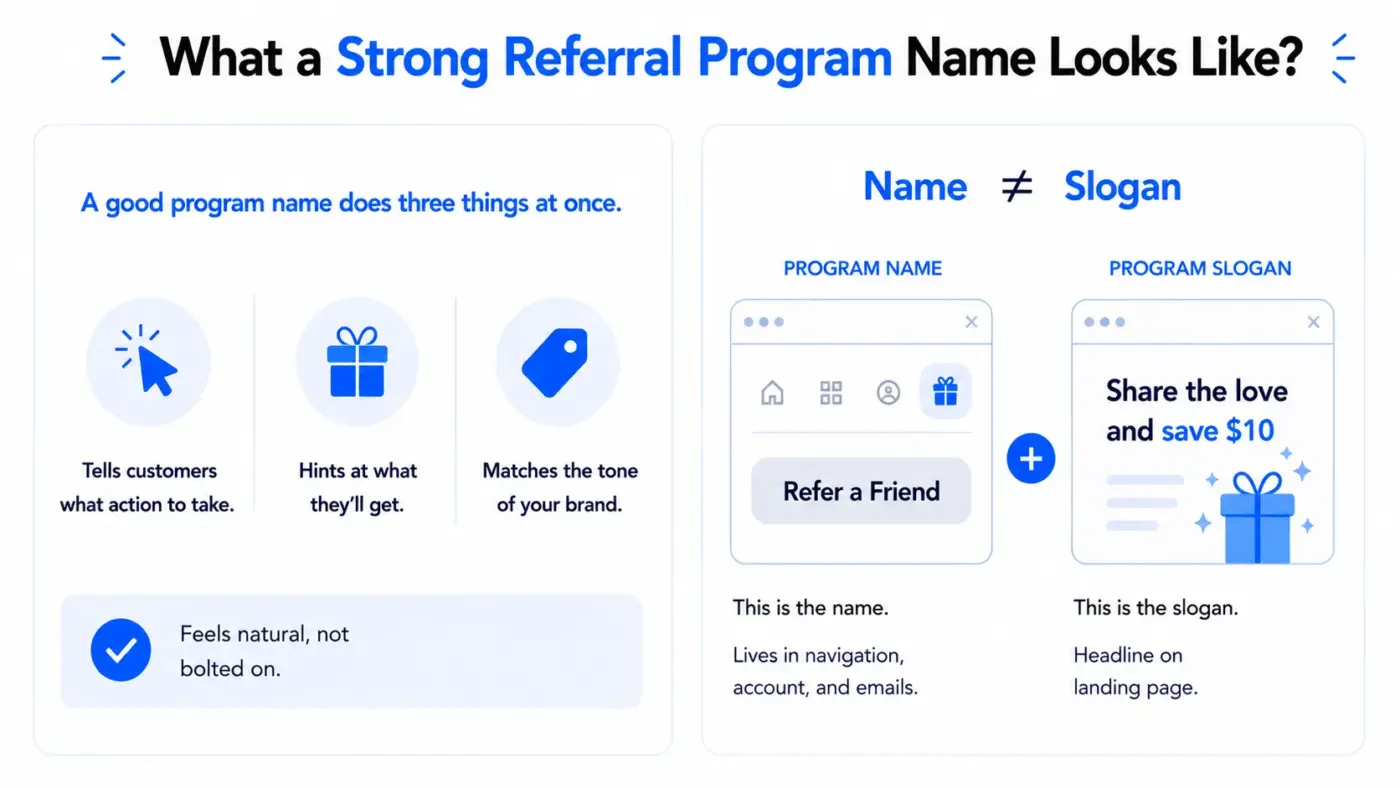
A good program name does three things at once. It tells customers what action to take. It hints at what they’ll get. And it matches the style of your brand, so the program feels like a natural part of the store, not a marketing add-on added later at the bottom.
Here’s a difference most guides skip entirely: a program name and a program tagline are not the same thing. “Refer a Friend” is a name. “Share the love and save $10” is a tagline. The name is what you call the program in your navigation, your My Account page, and your emails. The tagline is the headline on the landing page. You need both, and they should work together.
People sharing with others is the foundation of every referral program. Research from Nielsen shows that over 90% of consumers trust recommendations from people they know more than any other form of advertising. But trust alone doesn’t drive referrals. The program still has to be easy to find, easy to understand, and easy to share.
According to Rivo’s 2026 referral data, 83% of satisfied customers say they’d refer a brand, but only 29% actually do. The gap isn’t interesting. Its difficulty, and a forgettable or confusing program name, is one of the first problems.
10 Popular Referral Program Names
Here are 10 names real brands use, along with who each one works for and what to watch out for.
1. Refer a Friend
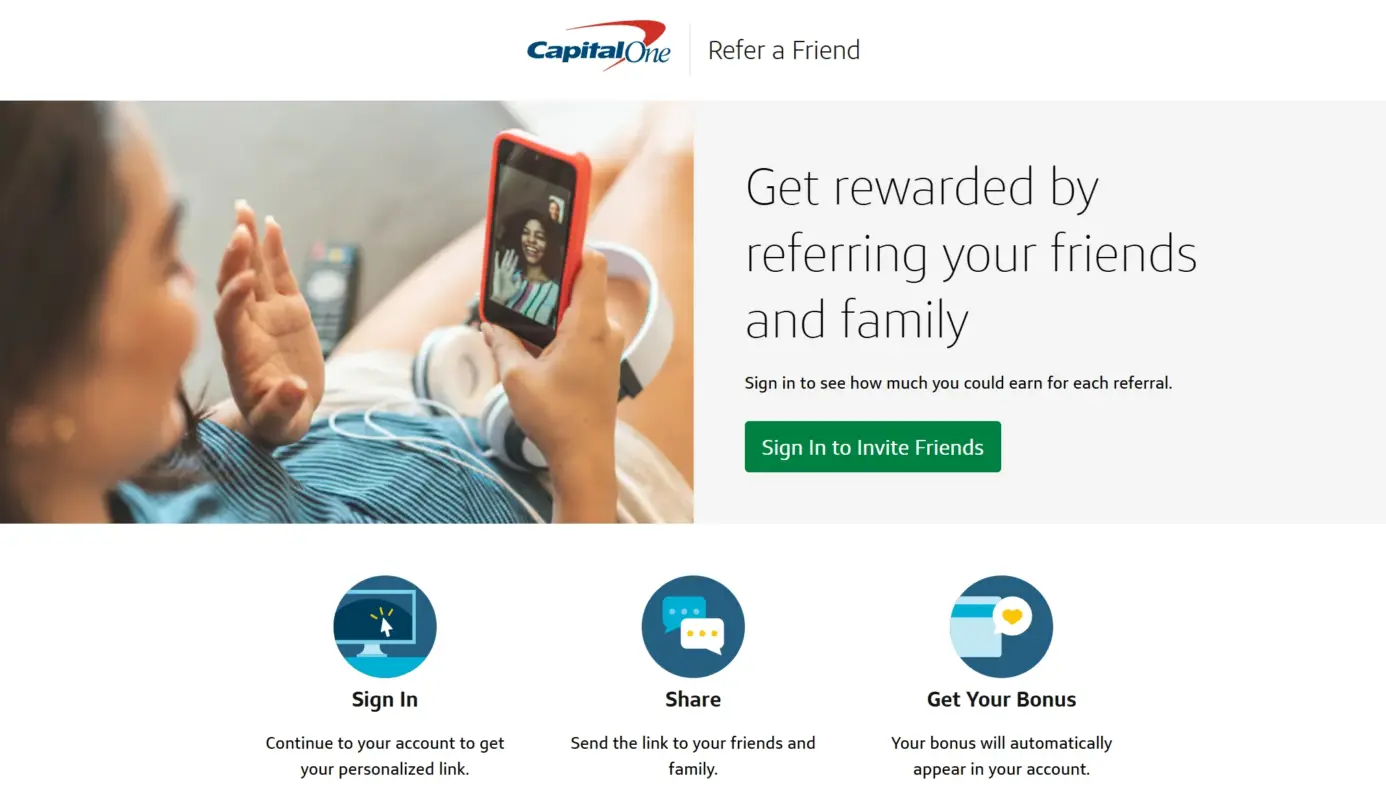
Capital One’s Refer a Friend program is a textbook example of how a simple name earns trust. No clever wordplay needed. Customers know immediately what they’re being asked to do.
This is the refer-a-friend program format that works for almost any store. It’s the safe default, and being the default isn’t a weakness when your reward is strong enough to carry the program.
Used by
Brands where trust is the product, not the personality.
Best for
- Online stores of all sizes
- Services
- Subscriptions
- Any business where trust and simplicity matter more than personality
Watch out for
It’s so common that it can blend into the background. If your reward is weak, this name won’t save it. Pair Refer a Friend with a specific, clear reward and make the program easy to find in your navigation.
2. Give $X, Get $Y
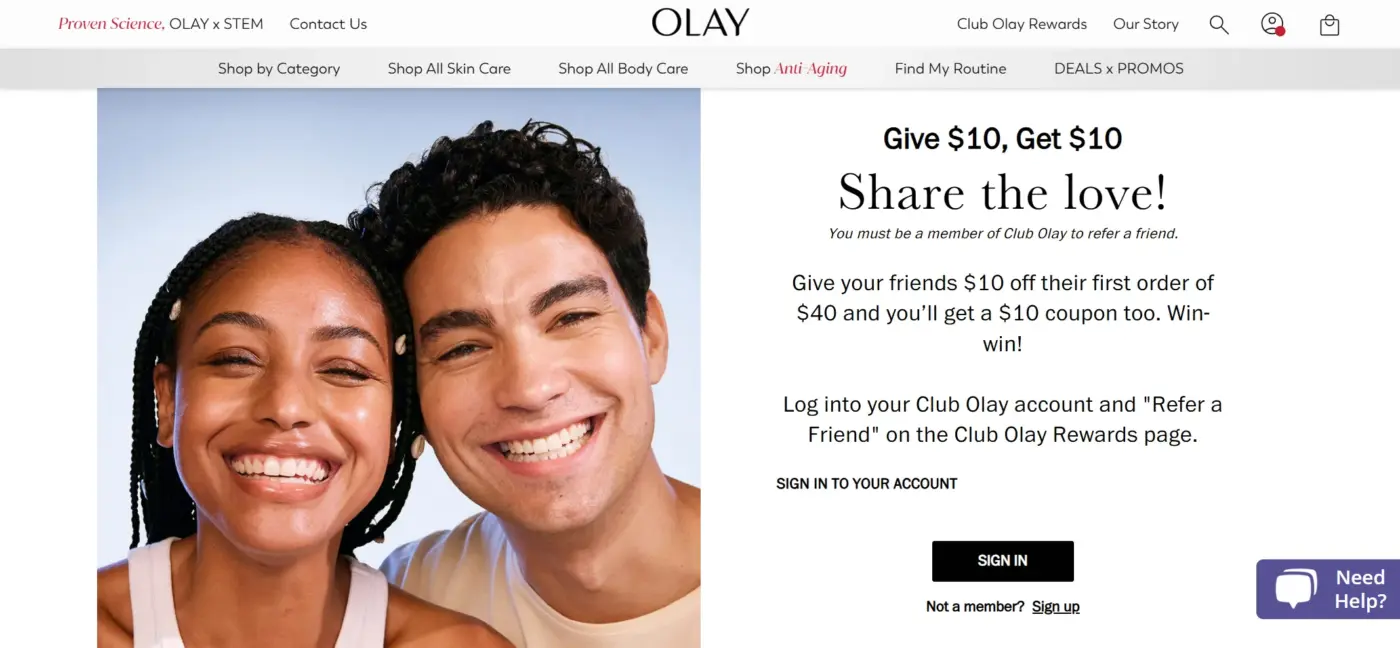
Olay’s referral program uses a name that does the selling for you. The customer immediately knows the deal: their friend saves, they earn. No need to click through to find out what the program is about.
This format works best when your reward is money-based and specific. Give 20%, Get $10 communicates more in four words than a paragraph of program description.
Used By
Programs where the reward does the selling before the page loads.
Best for
- Product-based ecommerce stores
- Beauty
- Fashion
- Wellness
- Any brand where a clear cash or discount reward is the main hook
Watch out for
The name only works if the numbers are good. Give 5%, Get $2 reads like a bad deal before a customer even clicks. If the reward is small, pick a warmer name.
The WooCommerce Product Share for Discounts plugin handles exactly this structure: one customer shares, and both get a reward.
3. Share and Save
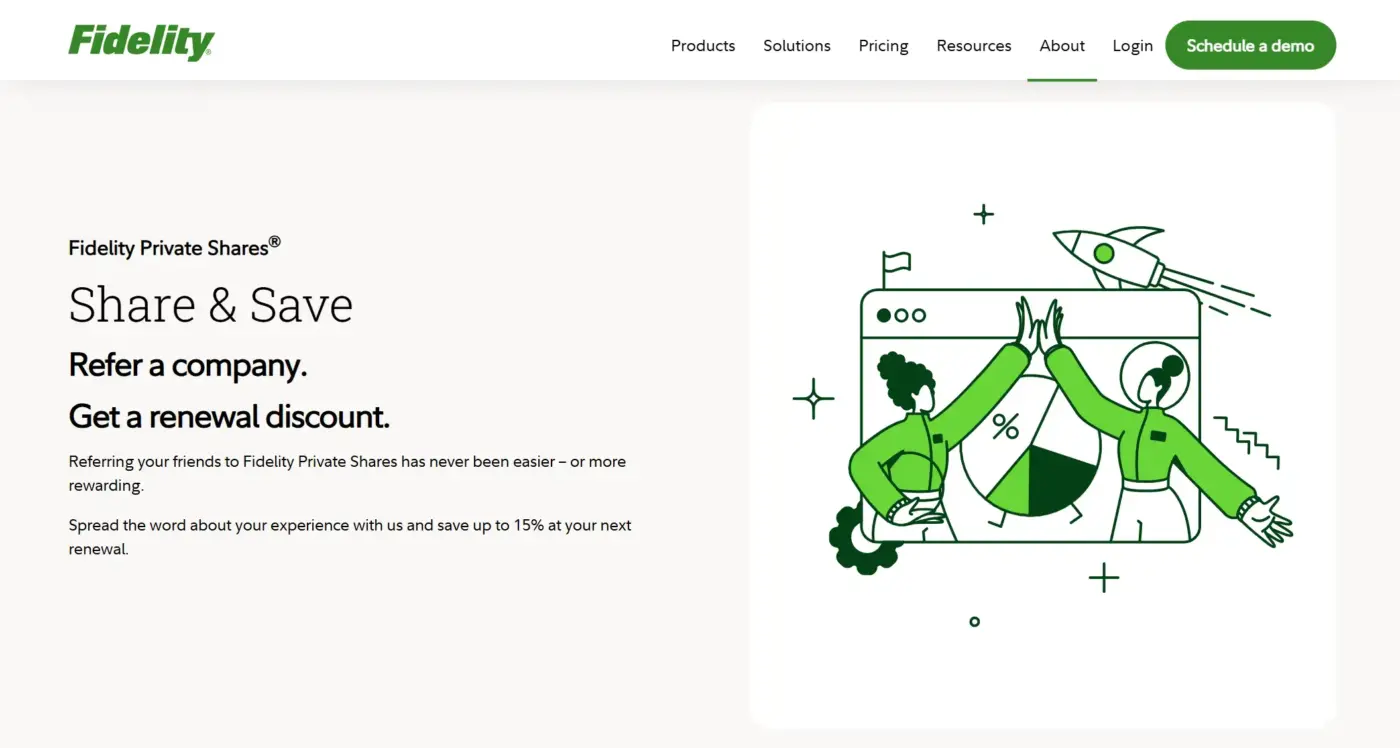
This name works because it rhymes, and rhymes stick. Fidelity Share and Save uses it to highlight mutual benefit and sharing leads directly to savings for both parties.
The word “save” does heavy lifting here. It frames the referral as a practical financial decision, not a favour. That framing works well when your customers are budget-focused.
Used by
Audiences who treat referrals as a financial decision, not a social one.
Best for
- Service businesses
- Financial tools
- Subscription stores
- Any brand where saving money is a core part of the value is simple
Watch out for
The rhyme makes it memorable, but also slightly generic. If your brand has a strong personality, you might want something with more edge.
4. Invite Friends
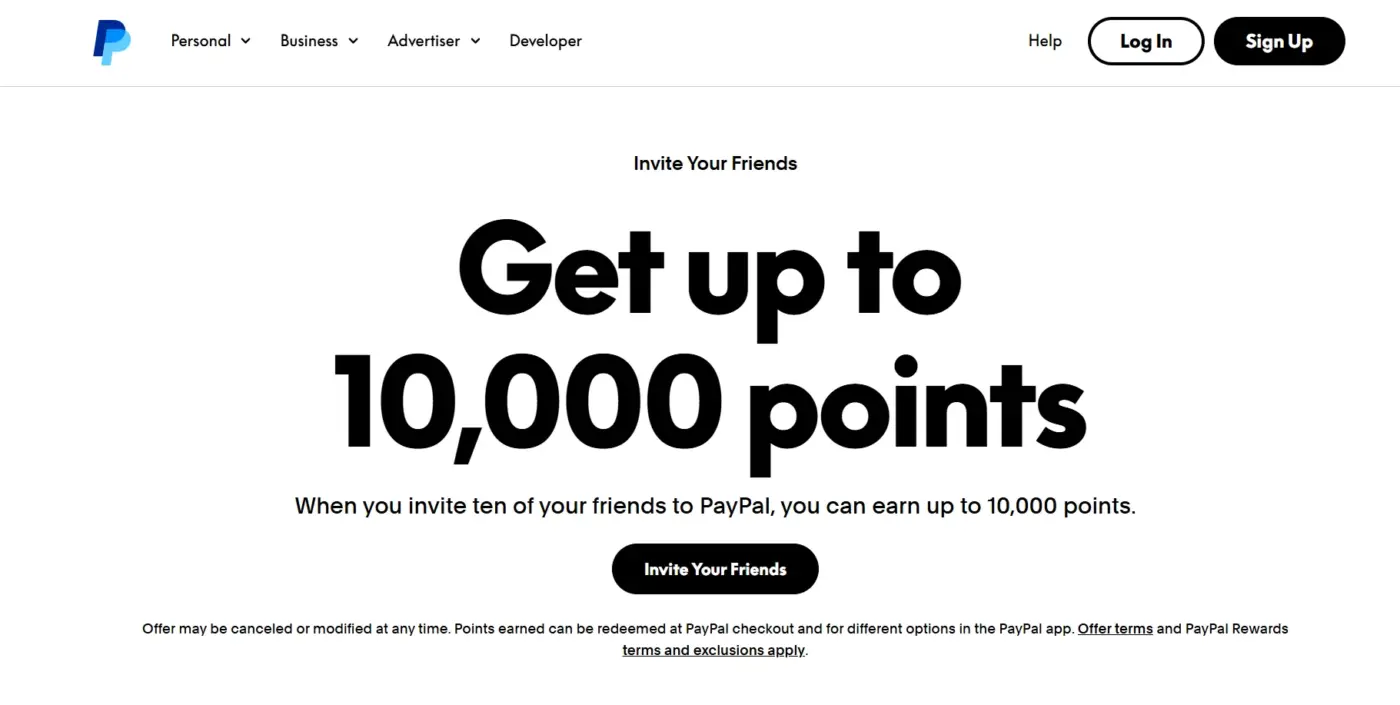
PayPal’s Invite Friends program fits a platform built on sharing and sending. The word “invite” feels more active and social, like sending someone a plus-one, than asking for a favour.
This name works particularly well in digital contexts because invite maps to existing behaviour. People send invites to apps, events, and group chats every day. Framing your referral program the same way lowers the hesitation to share.
Used by
Platforms where sharing is already a built-in user behaviour.
Best for
- Apps
- SaaS
- Membership platforms
- Digital-first businesses
- Any store that already sends email or in-app notifications to users
Watch out for
An invitation implies the friend is being welcomed into something. If your store doesn’t have a community or membership feel, this name can feel slightly off-brand.
5. Share the Love
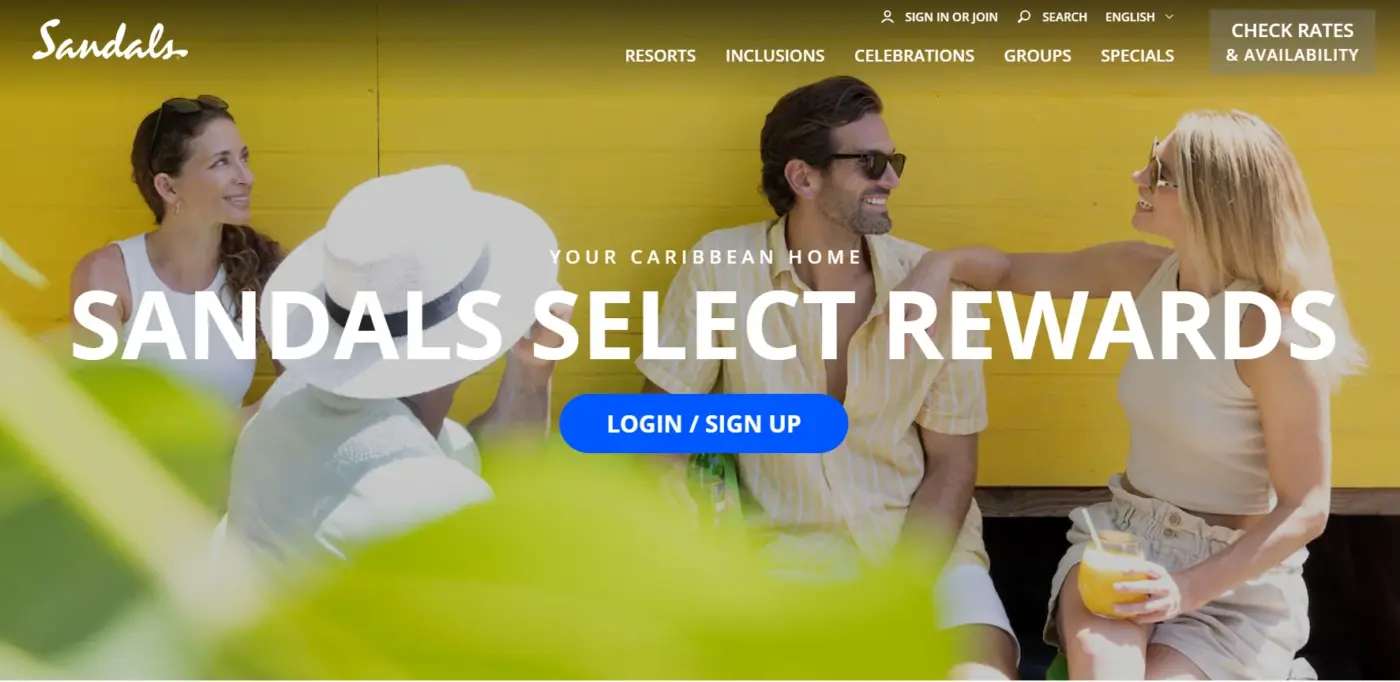
Sandals’ Share the Love program earns loyalty points for both the referrer and the friend, and the warm, generous name matches the brand perfectly.
This is a name built around emotion, not mechanics. It works because travel and guest service are already emotional purchases. Customers are sharing an experience they care about, not just a discount code.
Used by
Brands sell a feeling, not a feature.
Best for
- Experience-based brands
- Travel
- Events
- Wellness
- Coaching
- Eco products
- A store where lifestyle and emotion are central to the purchase
Watch out for
It can read as soft or unclear for brands with a more direct, functional style. A supplement store or tools brand might find this name mismatched with their voice.
6. Spread the Word

Splend’s Spread the Word works when your customers are already loyal fans. It validates their enthusiasm and gives the referral a sense of purpose beyond the discount.
This name positions customers as supporters rather than referrers. The difference matters. A supporter is someone who genuinely believes in something. A referrer is someone chasing a reward.
Used by
Businesses whose customers already refer without a program in place.
Best for
- Community-driven brands
- Creator-led stores
- Gig economy platforms
- Businesses where customers identify strongly with the brand or its mission
Watch out for
It works best when your product has genuine fan energy. If customers are satisfied but not passionate, this name can feel like a stretch.
7. Tell a Friend
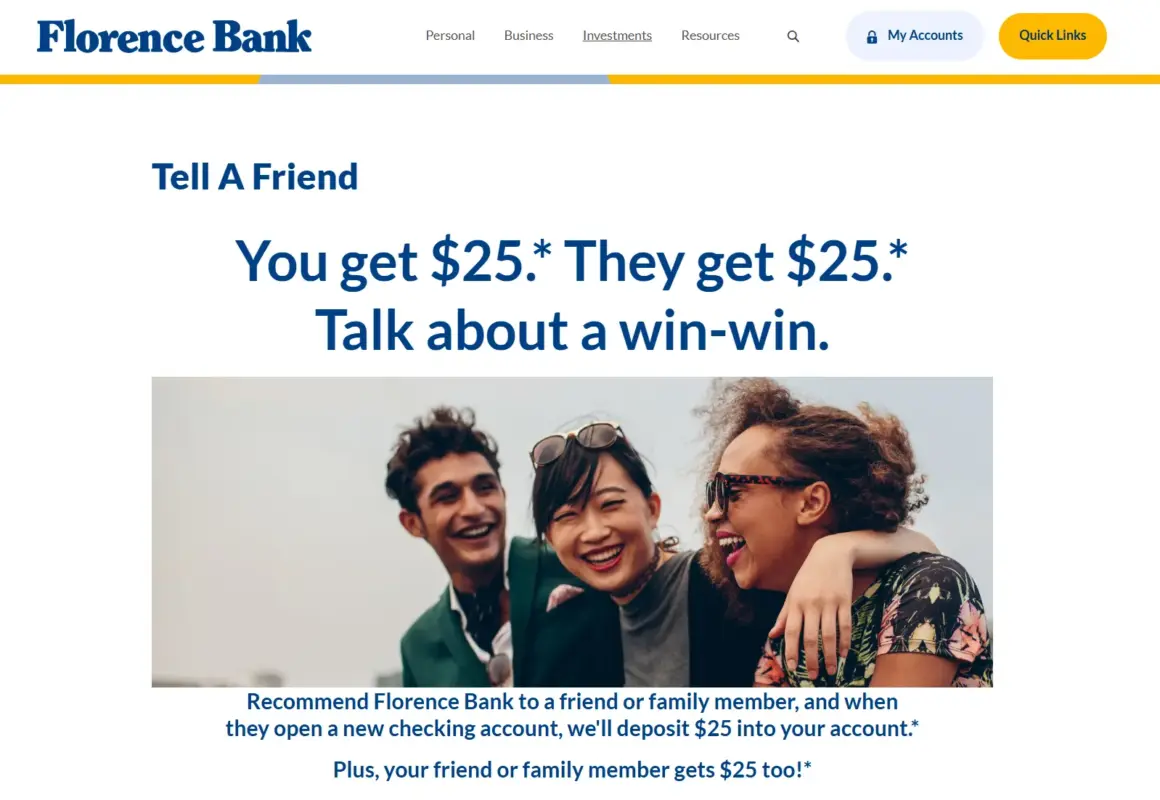
Florence Bank’s Tell a Friend is used because trust is the entire product in banking. “Tell a Friend” signals a personal recommendation, not a marketing campaign. That difference is the whole point.
The oldest version of referral marketing, put into words. Simple, warm, and slightly old-school, which is exactly why it works for certain audiences.
Used by
Categories where a personal recommendation carries more weight than any ad.
Best for
- Local businesses
- Professional services
- Insurance
- Healthcare
- Any brand where the referral feels like a personal support rather than a promotional share
Watch out for
It can sound dated to younger audiences. If your customer base skews under 35, consider a fresher variation.
8. Refer and Earn
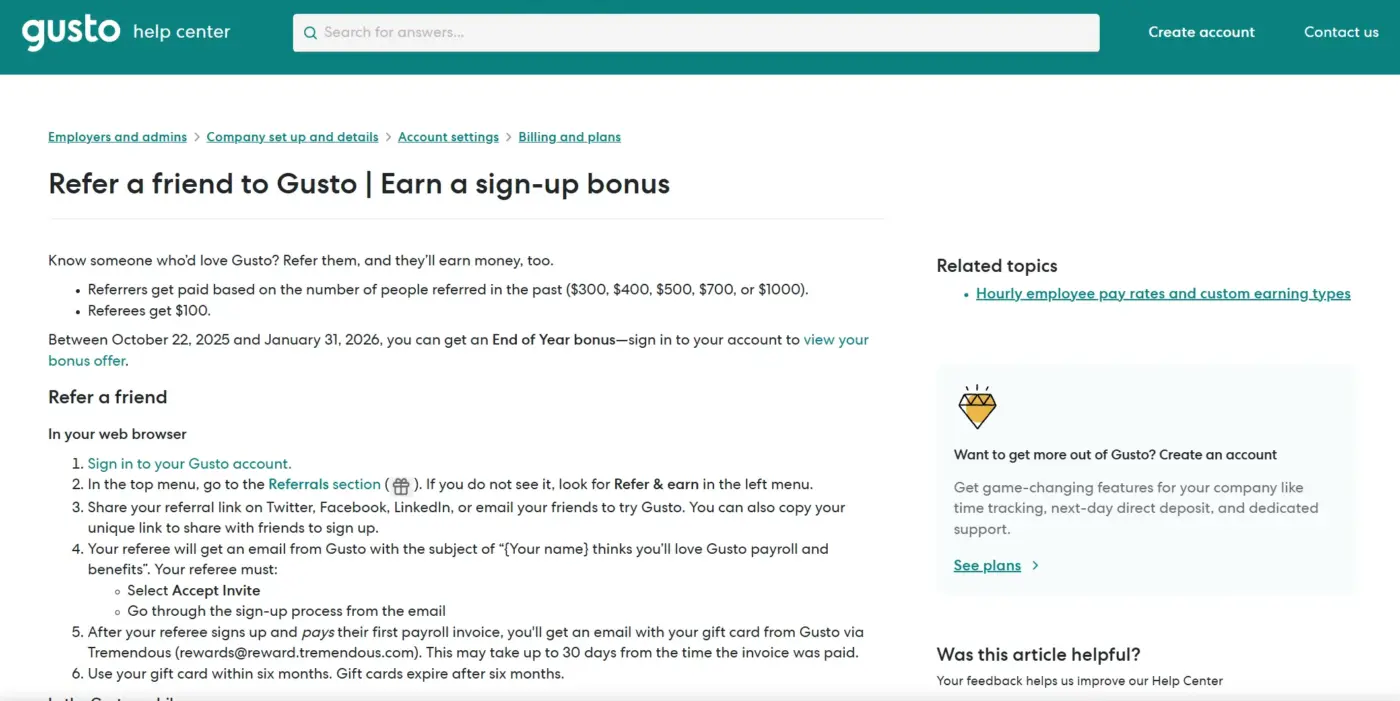
Gusto Refer and Earn is making the financial intent impossible to miss. This name works especially well when your referral reward is cash, store credit, or a clear financial benefit. The ampersand gives it a slightly more energetic feel than Refer and Earn spelt out.
It skips the warmth and goes straight to the payoff. It’s direct, deal-based, and honest, which is exactly what B2B and service customers often prefer.
Used by
Buyers who need to see the ROI before they take any action.
Best for
- B2B stores
- Agencies
- SaaS businesses
- Service providers
- Stores where cash or credit is the primary reward
Watch out for
The business-like style can feel cold for lifestyle or community brands. If your brand is built on relationships, a warmer name will convert better.
9. Friends & Rewards
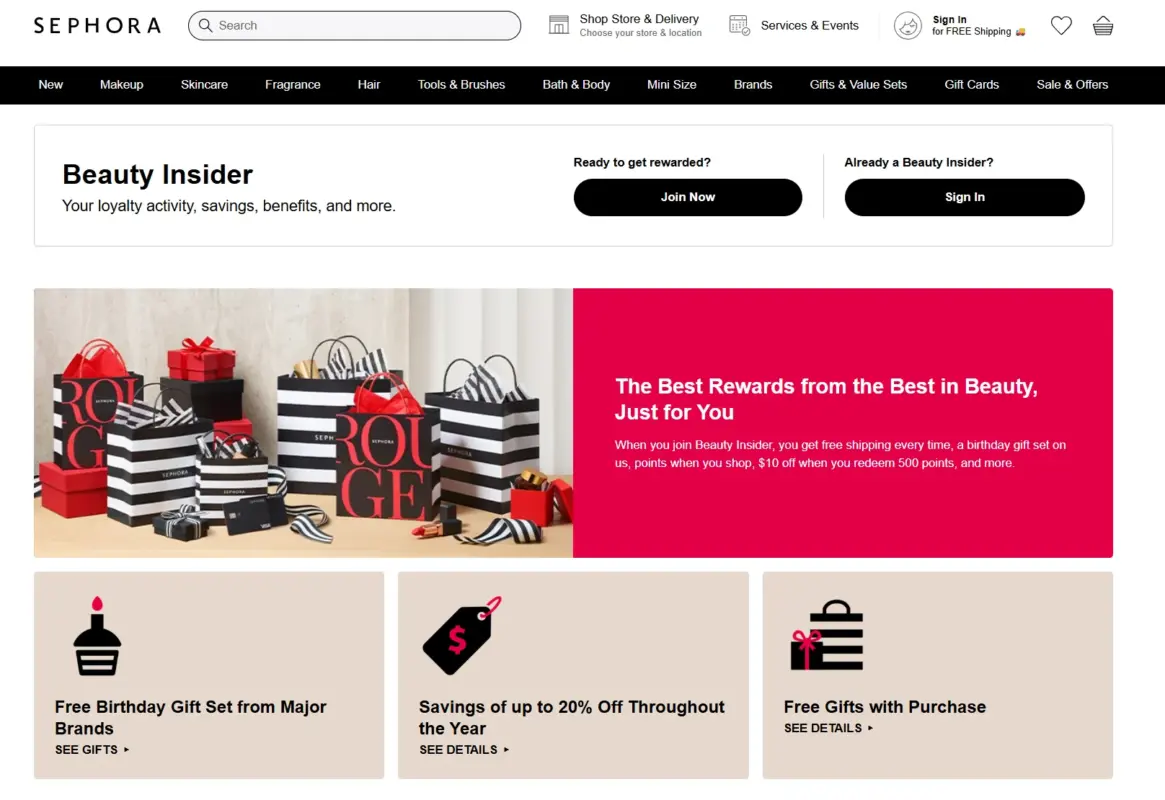
Sephora’s Beauty Insider is a strong real-world example of this model in action. Customers earn points for purchases and referrals, and friends who are referred receive a discount on their first online purchase. The referral feeds directly into the loyalty system, so both actions (sharing and earning) feel like part of the same program.
Stores using the WooCommerce Points and Rewards plugin can pair this name with a custom points currency (Stars, Coins, or Gems) so the program name and the reward unit both feel branded and well-planned.
Used by
Broadly adopted in points-based ecommerce programs.
Best for
- Stores with existing loyalty programs
- Subscription boxes
- Beauty brands
- Any ecommerce business running a points-based reward system
Watch out for
If you don’t have a visible points system already set up, this name can confuse customers. The word “Rewards” implies an organised system that they can track.
10. Bring a Friend
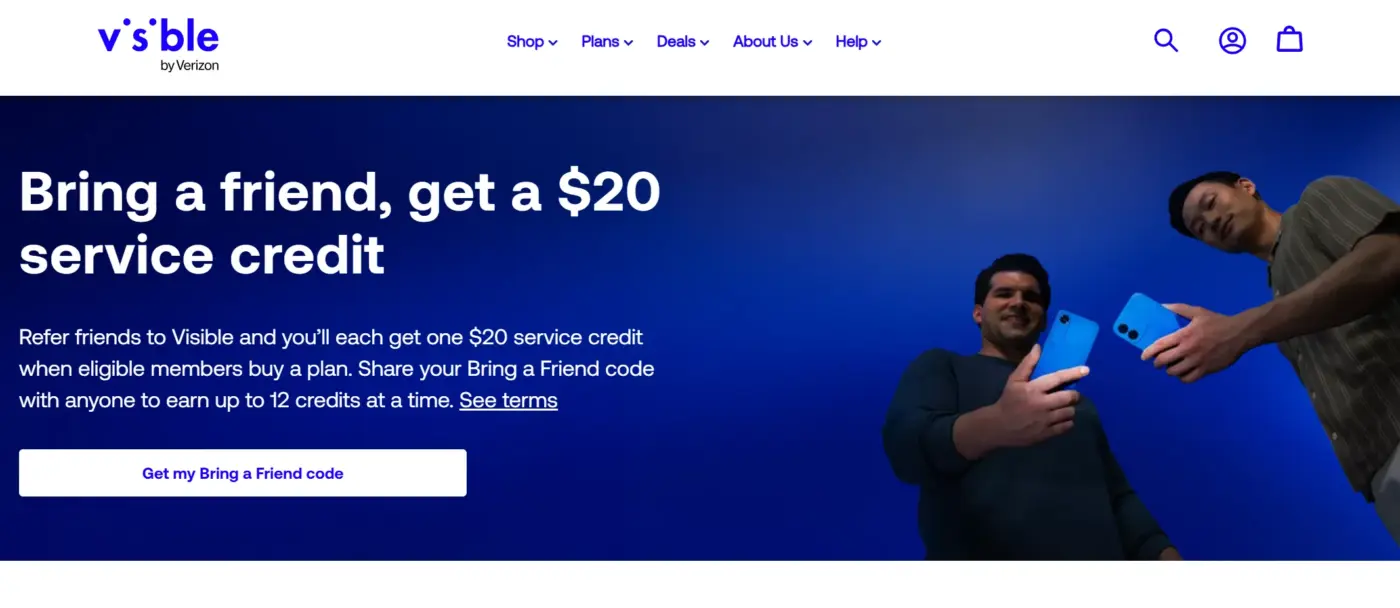
Visible Bring a Friend members share a unique code, and both they and their referred friend each receive a $20 service credit when the friend joins. This name converts well with younger audiences who respond to casual language and social framing. The word “buddy” implies shared enjoyment for both people, and the style of the name reflects that.
Fun, informal, and immediately inclusive. Bring a Friend works because it sounds like an invitation to something enjoyable rather than a marketing program. It’s the playful cousin of Refer a Friend.
Used by
Products that are naturally more fun when used with someone else.
Best for
- Fitness brands
- Gaming
- Food delivery
- Fashion for younger audiences
- Any subscription service where the social experience is part of the value.
Watch out for
It can sound childish for premium or professional brands. A high-end homeware store or B2B SaaS product would likely find this name unsuitable.
Referral Program Names That Don’t Work
The fastest way to kill participation in a customer referral program is to give it a name that nobody notices. Here are the most common naming mistakes WooCommerce store owners make:
- “Loyalty Program”: This describes an internal category, not a customer benefit. It says nothing about what the customer gets or what they need to do. Most customers scroll past it entirely.
- “Our Referral Scheme”: The word “scheme” carries a faint negative meaning in many markets. Even where it doesn’t, “referral scheme” sounds complicated and distant. It reads like something you’d find in a terms-of-service document.
- “Customer Rewards”: Too unclear. Rewards for what? Buying? Reviewing? Referring? A customer who sees “Customer Rewards” in your navigation has no idea a referral program even exists.
- “Partner Program”: This name belongs to a WooCommerce affiliate program aimed at publishers and content creators. Using it for a customer referral program creates confusion about who the program is for and what it involves.
One honest trade-off to name here: A creative or clever program name with a weak reward still fails. The name gets customers to look. The reward gets them to share. You need both to work together.
Most tutorials skip this part. That’s why stores end up with a beautifully named referral program that nobody actually uses.
How to Pick the Right Name for Your WooCommerce Store?
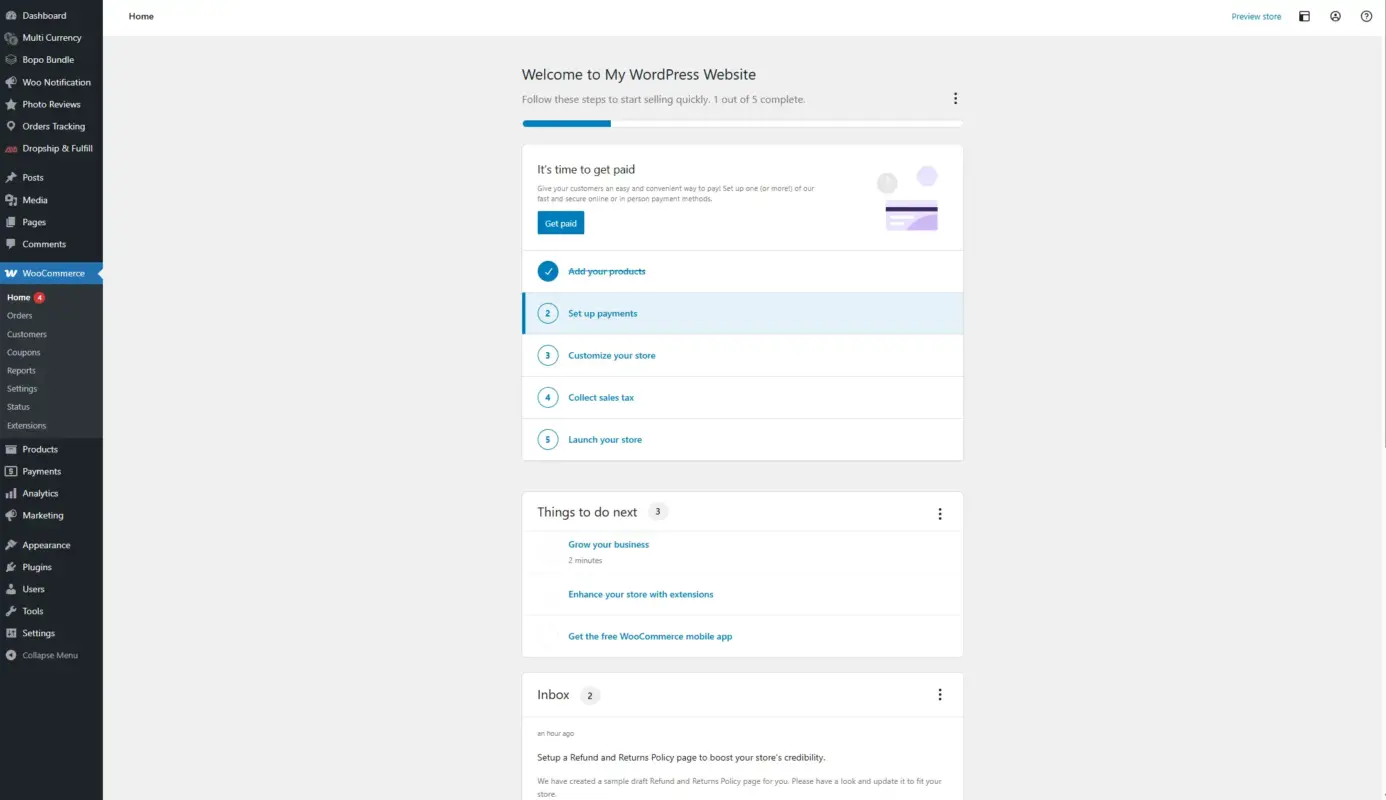
Choosing among these referral program names comes down to three questions:
- What is the reward type? Cash and discounts work with direct names (“Give $X, Get $Y,” “Refer & Earn”). Points-based rewards work better with names that signal a system (“Friends & Rewards”). Experience-based rewards need warmer names (“Share the Love”).
- Who is your audience? Younger, casual audiences respond to playful names (“Bring a Buddy”). Older or B2B audiences prefer straightforward names (“Tell a Friend,” “Refer & Earn”). Community-driven audiences lean toward support-driven names (“Spread the Word”).
- What style does your brand use? Your referral program name should sound like the rest of your store. If your product copy is warm and friendly, “Share the Love” fits. If it’s direct and functional, “Refer & Earn” fits better.
Here’s a quick comparison to make the choice easier:
| Program Name | Best Store Type | Reward Type | Style |
|---|---|---|---|
| Refer a Friend | All store types | Any | Neutral |
| Give $X, Get $Y | Product ecommerce | Cash/discount | Direct |
| Share and Save | Services, subscriptions | Discount | Practical |
| Invite Friends | Apps, memberships | Any | Social |
| Share the Love | Lifestyle, travel | Points/experience | Warm |
| Spread the Word | Community brands | Mixed | supporter |
| Tell a Friend | Local, professional | Cash/discount | Traditional |
| Refer & Earn | B2B, SaaS | Cash/credits | Transactional |
| Friends & Rewards | Points-based stores | Loyalty points | Branded |
| Bring a Buddy | Fitness, subscriptions | Discount/freebie | Playful |
According to ReferralCandy’s standard data, strong referral programs drive between 10%-30% of total store revenue. The median referral success rate sits at 3–5%, but top-performing programs consistently clear 8%. The name is one variable. The reward structure, the placement, and the timing all matter too.
If you’re running a WooCommerce store and want to add a points-based referral layer, the WooCommerce rewards plugin lets you set a custom points currency, reward both the referrer and the referred customer, and track everything from the admin dashboard. No coding needed.
Conclusion
Referral program names shape how customers understand your program before they read a single word about how it works. The 10 names covered here, from the classic Refer a Friend to the playful Bring a Buddy, each serve a different store type, audience, and reward structure.
Match the name to your reward type and brand style, avoid the generic names that kill participation, and make sure the program is easy to find.
The gap between the 83% of customers who would refer and the 29% who actually do is often just a difficulty. A clear, well-placed referral program name is one of the simplest ways to close it.
Frequently Asked Questions(FAQs)
Q1. Does the name of a referral program actually affect engagement rates?
Yes. The name is the first thing a customer sees, and it sets the understanding before they check the reward. Unclear names like “Customer Rewards” reduce clicks because customers don’t know what the program involves. A specific, benefit-clear name like “Give $10, Get $10” or “Refer & Earn” tells customers exactly what to expect and lowers the difficulty of sharing.
Q2. What is the difference between a referral program and a loyalty program?
A referral program rewards customers for bringing in new shoppers, usually with a discount, cash, or points when the referred person makes a purchase. A loyalty program rewards customers for their own purchases and actions over time. Many WooCommerce stores run both together, where referrals earn loyalty points that customers then redeem on future orders.
Q4. Should I offer the same reward to the referrer and the referred friend?
Not necessarily, but double-sided rewards consistently outperform one-sided programs. The referrer needs a reason to share. The friend needs a reason to buy. If your margins allow it, rewarding both parties, even at different values, usually drives more completed referrals than rewarding only the referrer.
Q5. How many referral program names can I test at once?
One at a time. Running two names at the same time splits awareness and makes it harder to build a program identity. Test one name for at least 60–90 days, track participation and success rates, and only switch if the data clearly point to a problem with naming versus a reward or placement issue.
Q6. Can I change my referral program name after launch?
Yes, but do it carefully. If customers have already seen and shared your program under the original name, a sudden name change can create confusion. Update all instances at once (navigation, emails, landing page, and the My Account section), and consider sending a brief note to existing participants so they know it’s the same program.
Q7. What referral program name works best for WooCommerce stores running a points system?
Friends & Rewards or a personalised name that references your points currency works best. If your store calls its points Stars, naming the program Star Friends or Earn Together creates a branded experience that connects the referral to the wider loyalty system. The WooCommerce Points and Rewards plugin supports custom point naming, so the program name and the reward currency can match.