
Urgency in marketing gives shoppers a real reason to act now. It uses live countdown timers, actual stock limits, or deals that genuinely expire soon.
It works because of a principle called loss fear. People feel the pain of losing something about twice as hard as the joy of gaining it. That’s why a ticking clock or a low-stock alert prompts people to make a purchase.
But here’s what most guides won’t tell you. The same method that boosts conversions when used honestly will kill your repeat sales when faked.
In this post, you’ll learn the psychology behind urgency. You’ll also get seven WooCommerce-specific methods. Additionally, you’ll learn where urgency can go wrong and how to select the most effective approach for your store.
What Is Urgency in Marketing?
Urgency in marketing is any signal that tells a buyer their window to act is closing. That window can take a few forms. It might be time-based, like a sale ending tonight. It could be quantity-based, like only three units left in stock. Or it might be access-based, like early-bird pricing before a launch.
It overlaps closely with scarcity marketing, but they’re not the same thing. Scarcity is about limited supply. Urgency is about limited time. Both tap into FOMO, the fear of missing out. It’s the anxiety people feel when they think others are getting something they might not. FOMO marketing uses that anxiety to shorten the gap between “I’m interested” and “I’ll buy it now.”
Here’s what matters most for store owners: urgency works when the constraint is real. A sale that truly ends on Friday converts better than one that “ends Friday” every single week. Shoppers spot the pattern faster than you’d think.
The Psychology Behind Urgency in Marketing
Loss fear drives every urgency method. Psychologist Daniel Kahneman found that losing $50 feels about twice as bad as gaining $50 feels good. That gap matters. When you frame an offer as something a shopper is about to lose, they react more strongly than when you frame it as a gain.
Robert Cialdini wrote about the scarcity principle in Influence. The core idea is simple: the harder something is to get, the more people want it. His research showed this goes beyond just perceived value. Scarcity triggers a social and emotional response that skips careful thinking entirely. A 1975 experiment makes this clear. Researchers showed participants two jars of identical cookies, one full, one nearly empty. People consistently rated the cookies from the nearly-empty jar as better. Same cookie, different impression.
FOMO makes this even stronger. Research cited in the Journal of Consumer Research found that FOMO drives around 65% of buying decisions. A study by OptinMonster found that 60% of shoppers purchased within 24 hours purely because of FOMO. And CXL Institute reports that adding real scarcity to a product page can lift conversions by up to 45%.
Here’s what that looks like in practice. When a shopper sees “only 4 left in stock” on a product they already want, you’re not creating desire from scratch. You’re removing the one thing holding them back — the feeling that they can always come back tomorrow.
That matters more than the method itself.
7 Urgency Marketing Methods That Work in WooCommerce
These methods are ordered by how much control you have over the constraint. The ones at the top rely on real inventory or real deadlines. The ones near the bottom need more careful setup to stay honest.
1. Add a Countdown Timer to Time-Sensitive Offers
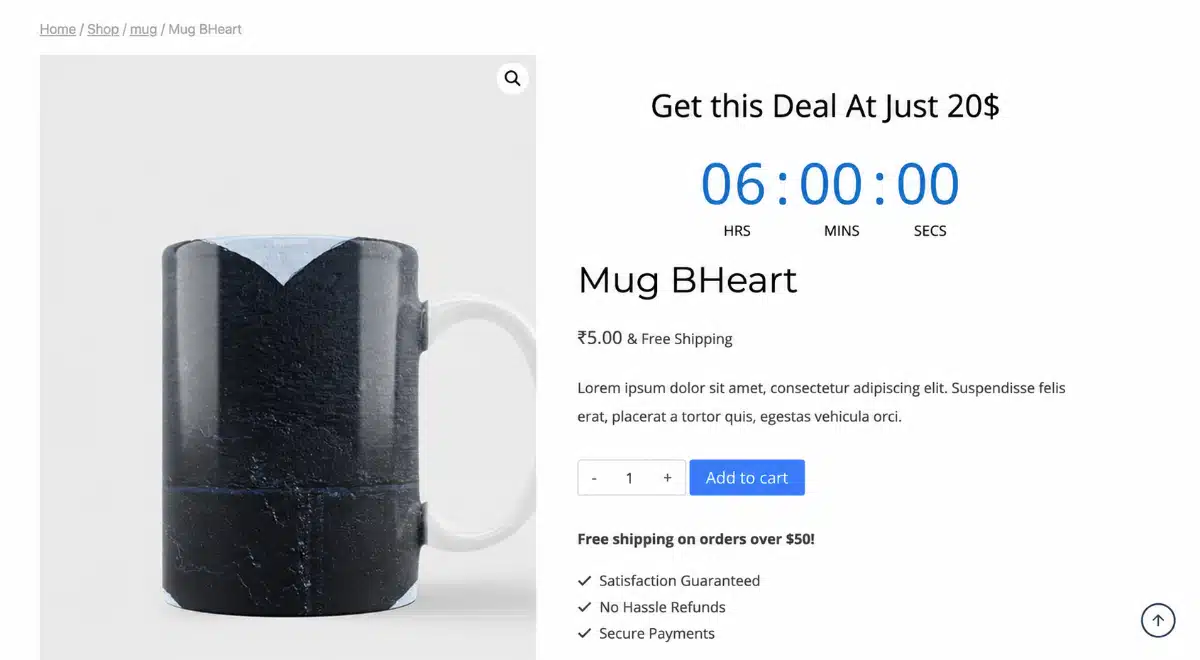
A visible countdown timer is the most direct way to show shoppers that time is running out. It works because it makes an abstract deadline clear. “Sale ends soon” is easy to ignore. A timer showing 4 hours and 37 minutes is not.
The key is tying the timer to a real event. A flash sale that ends at midnight on Friday. A bundle price that resets after 48 hours. An email offer that expires at a specific time. The timer must reflect something real, not a number that resets every time the page loads.
WooCommerce note: Use plugins that run off a fixed end-timestamp, not a session-based timer. Session timers reset when shoppers clear their cookies. They notice this fast, and once they do, your offer loses all credibility.
2. Show Real Stock Levels
Displaying live stock counts on product pages is one of the more powerful urgency tools available. “Only 3 left” is a complete sentence that does a lot of work. It signals popularity, social proof, and time pressure simultaneously.
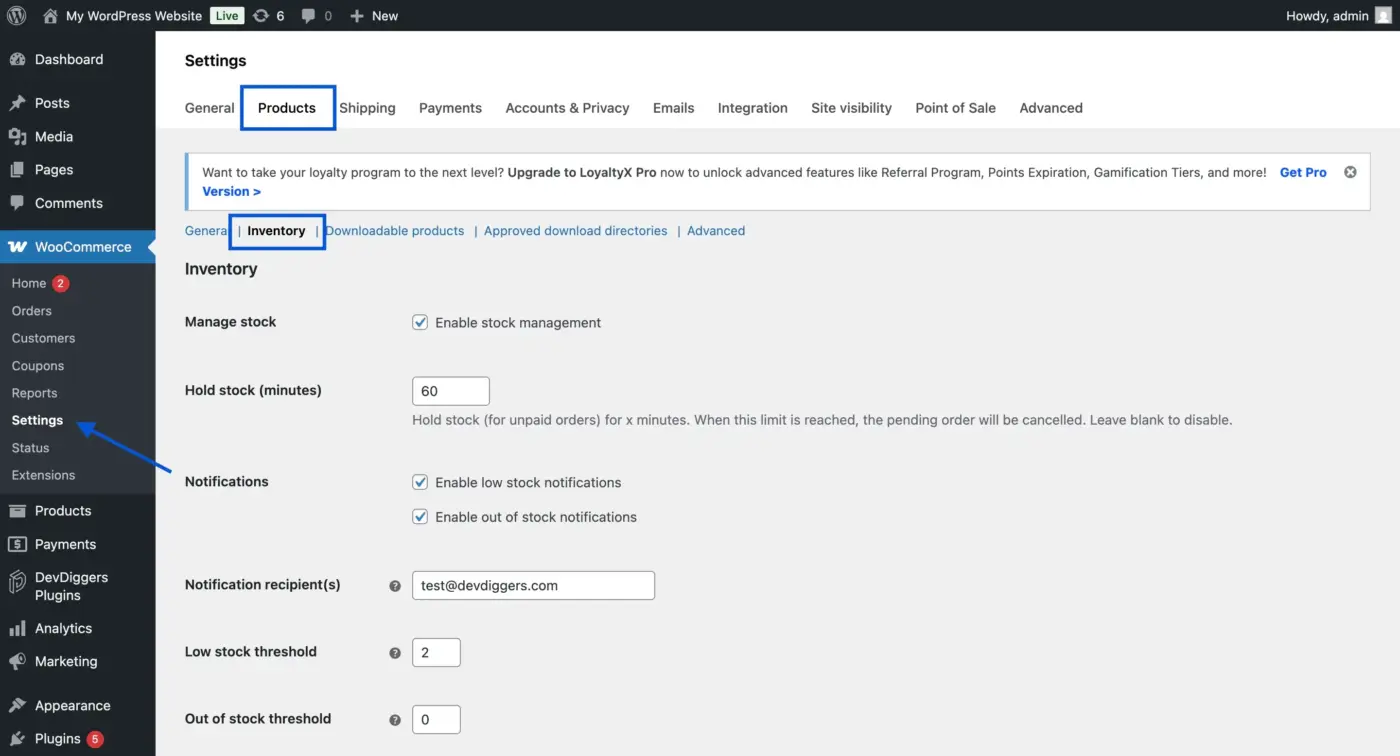
WooCommerce displays stock counts once you enable stock management for a product and set a low-stock threshold. Go to WooCommerce > Settings > Products > Inventory to set the number. Most stores use a threshold of 5 to 10 units.
What you should not do: invent the number. Showing “only 2 left” when you have 200 in the warehouse is a dark pattern, and customers notice the inconsistency over time. The trust damage outlasts the short-term conversion bump.
3. Run Flash Sales Tied to Real Events
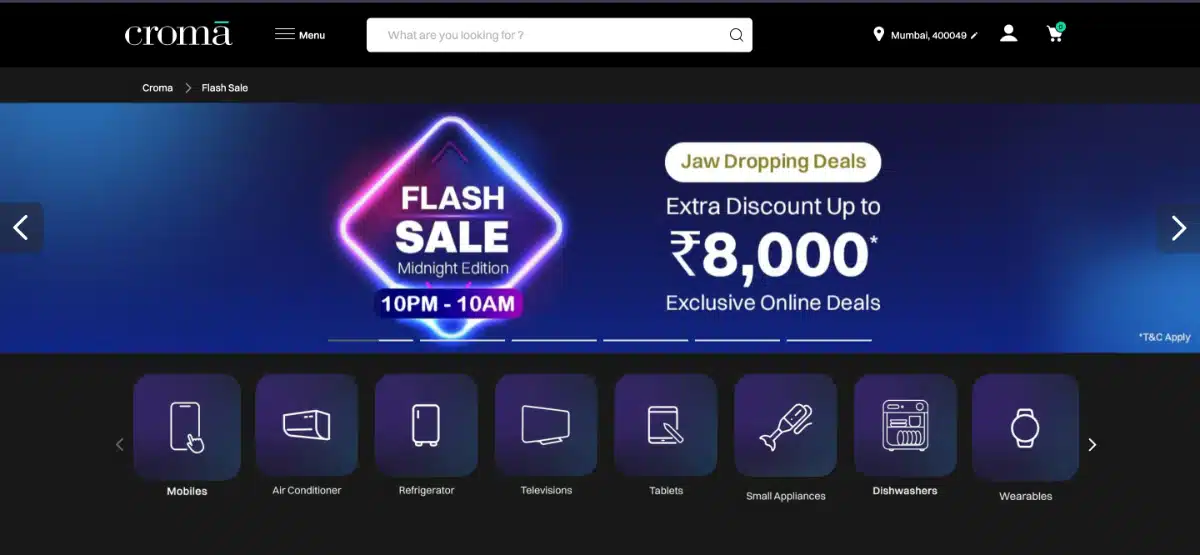
Flash sales work best when they have a clear reason to exist. A birthday sale, a product anniversary, a seasonal clearance, or a new stock arrival all give your sale a clear reason to exist. Shoppers understand the story, and that makes the offer feel real.
A flash sale that appears every other week with no explanation quickly trains shoppers to wait for the next one. You’ve built a discount expectation rather than urgency. That’s the opposite of what you want.
WooCommerce note: WooCommerce’s built-in sale price scheduling lets you set start and end dates per product. For store-wide flash sales, a dynamic pricing or coupon plugin gives you more control over the scope and time window.
4. Use Urgency in Cart Abandonment Emails
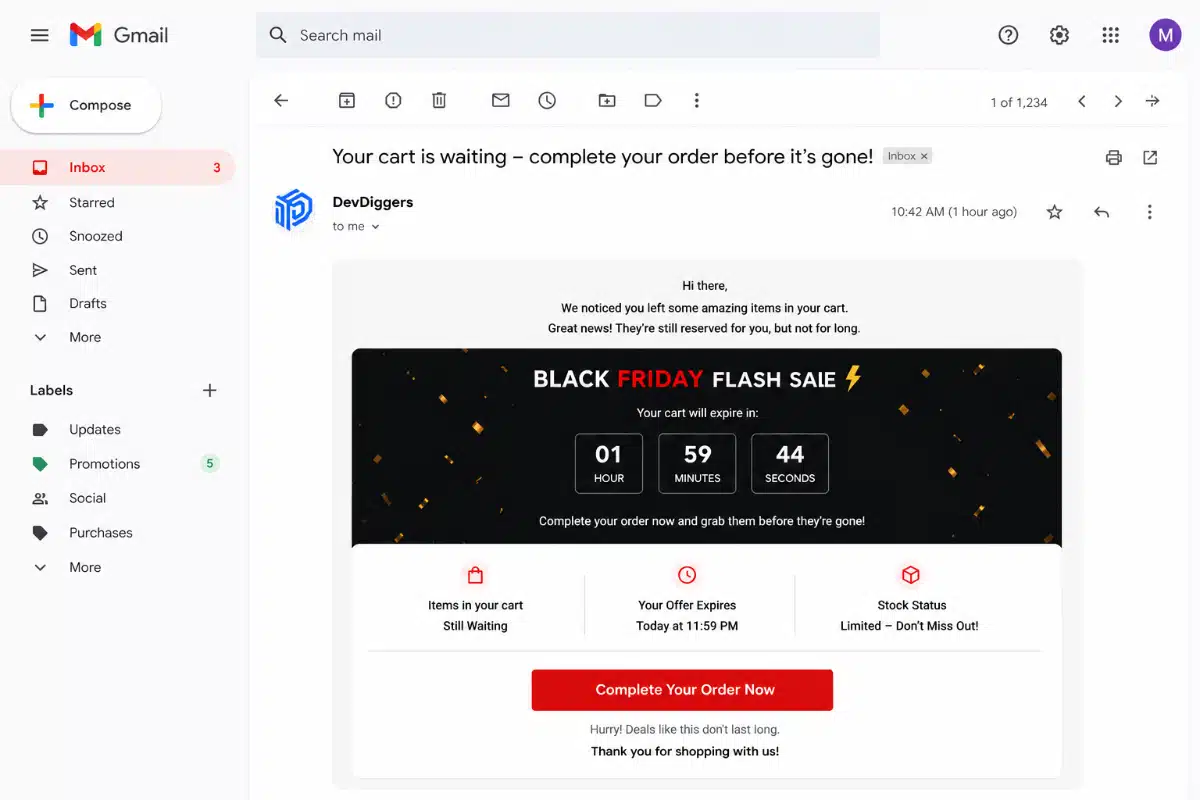
Cart abandonment recovery is one of the highest-ROI uses of urgency in email. A shopper who added something to their cart and didn’t check out already showed intent. They don’t need to be sold on the product. They need a reason to finish.
Send an email 1 to 3 hours after abandonment. Mention that the item is still in their cart, and add a note that stock is low or the discount expires soon. This converts far better than a generic “you forgot something” message. Retailers like Casper and ASOS have shown that abandoned cart emails can be both effective and friendly, with no heavy pressure needed.
The urgency in this email should be real. If you’re offering a discount, make it actually expire. If you’re citing stock levels, pull from your actual inventory. Shoppers who click through and find the “limited offer” still available a week later won’t trust the next email.
5. Show Social Proof in Real Time
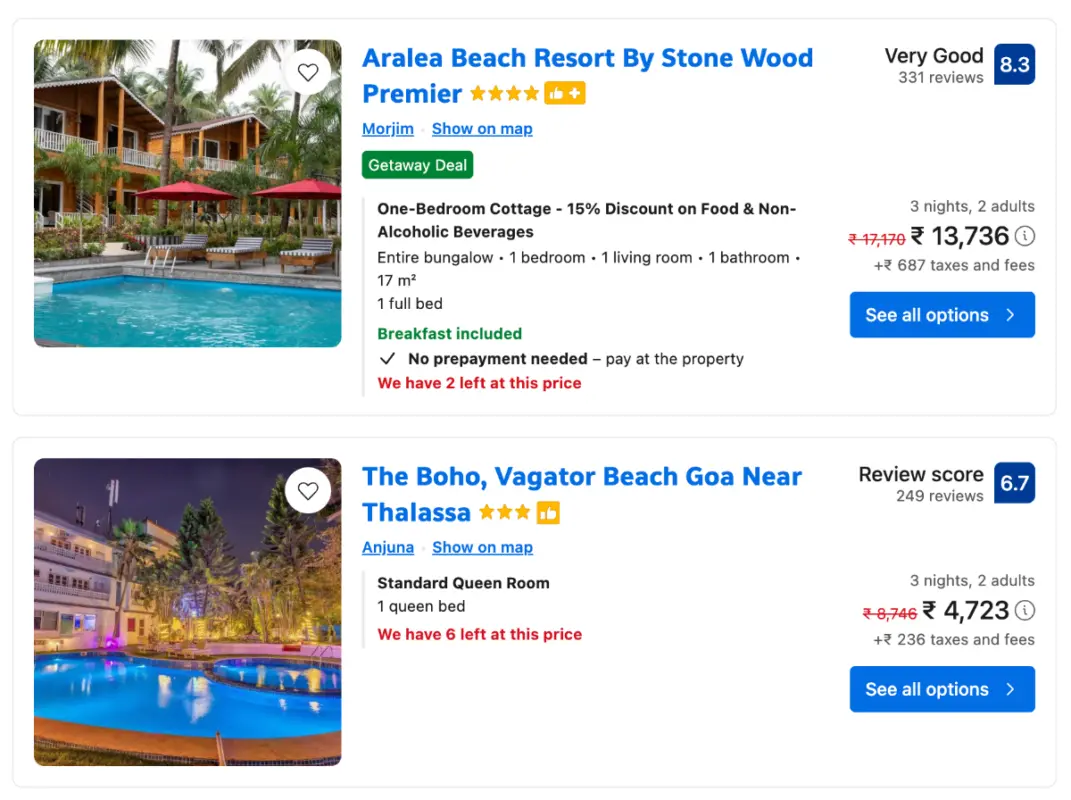
Real-time social proof creates urgency without a deadline. When a shopper sees “12 people bought this in the last 24 hours” or “8 people are viewing this right now,” it hits the same FOMO nerve as a stock warning. It also adds social validation on top.
Booking.com reported an 18% lift in conversions after adding social proof widgets, with a further 15 to 20% increase on high-demand listings. The logic is simple: if others are buying, the product is worth it, and waiting feels risky.
The honest version pulls from your real sales data. The dishonest version, making up purchase counts or viewer numbers, is what regulators now call a dark pattern. Power Reviews found that 98% of consumers check reviews before buying. That means social proof carries real weight, and fake social proof carries real risk when shoppers catch on.
WooCommerce note: Social proof plugins can pull directly from your order history and show verified purchase activity. Set the time window to reflect actual recent sales, not an inflated look-back period that makes slow-moving products look busy.
6. Offer Expiring Loyalty Rewards
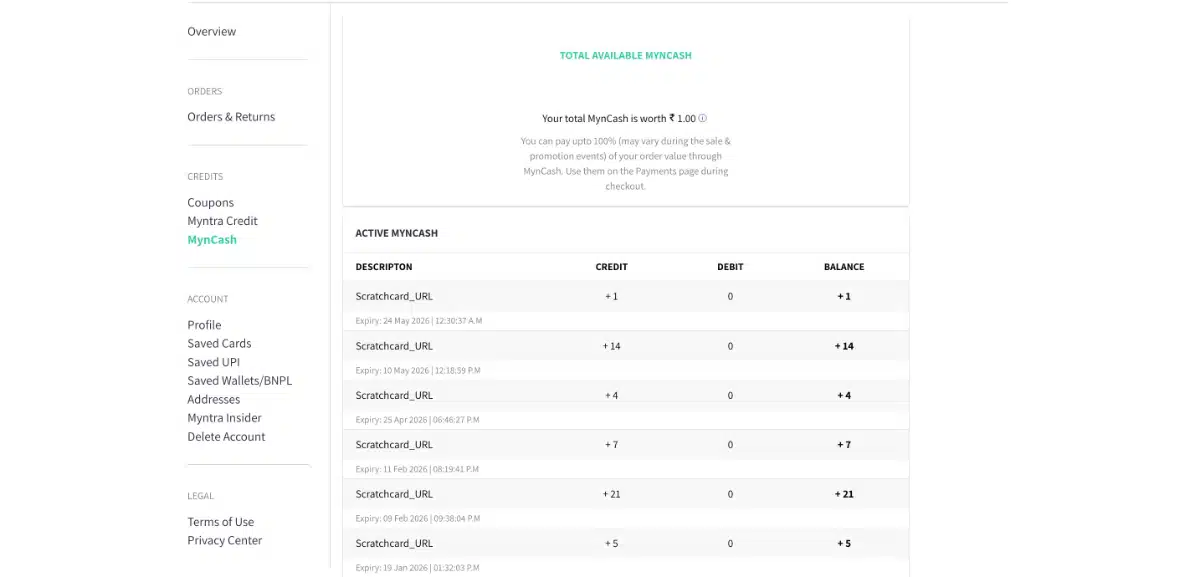
This is one of the most underused urgency methods in WooCommerce. It’s also one of the cleanest. The deadline is real, the customer earned it, and the value is theirs to lose.
When loyalty points are set to expire after a period of inactivity, customers who haven’t returned in 30 to 60 days tend to come back to use them. You’re not inventing scarcity. You’re reminding someone of something they already own that’s about to disappear.
A well-timed “your points expire in 7 days” email is one of the best re-engagement tools you can send. Show exactly what those points are worth in store credit. It feels urgent and personal, but never pushy, because the customer already earned that value.
If you’re setting up a loyalty program for your WooCommerce store, our WooCommerce Points and Rewards plugin lets you set point expiry rules and add this urgency directly to your retention cycle. The full walkthrough for setting up a loyalty program in WooCommerce covers the configuration from scratch.
Most tutorials skip the expiry setup entirely. That’s why stores end up with large points balances that customers never redeem and urgency that never fires.
7. Create Genuine Scarcity with Pre-Orders and Waitlists
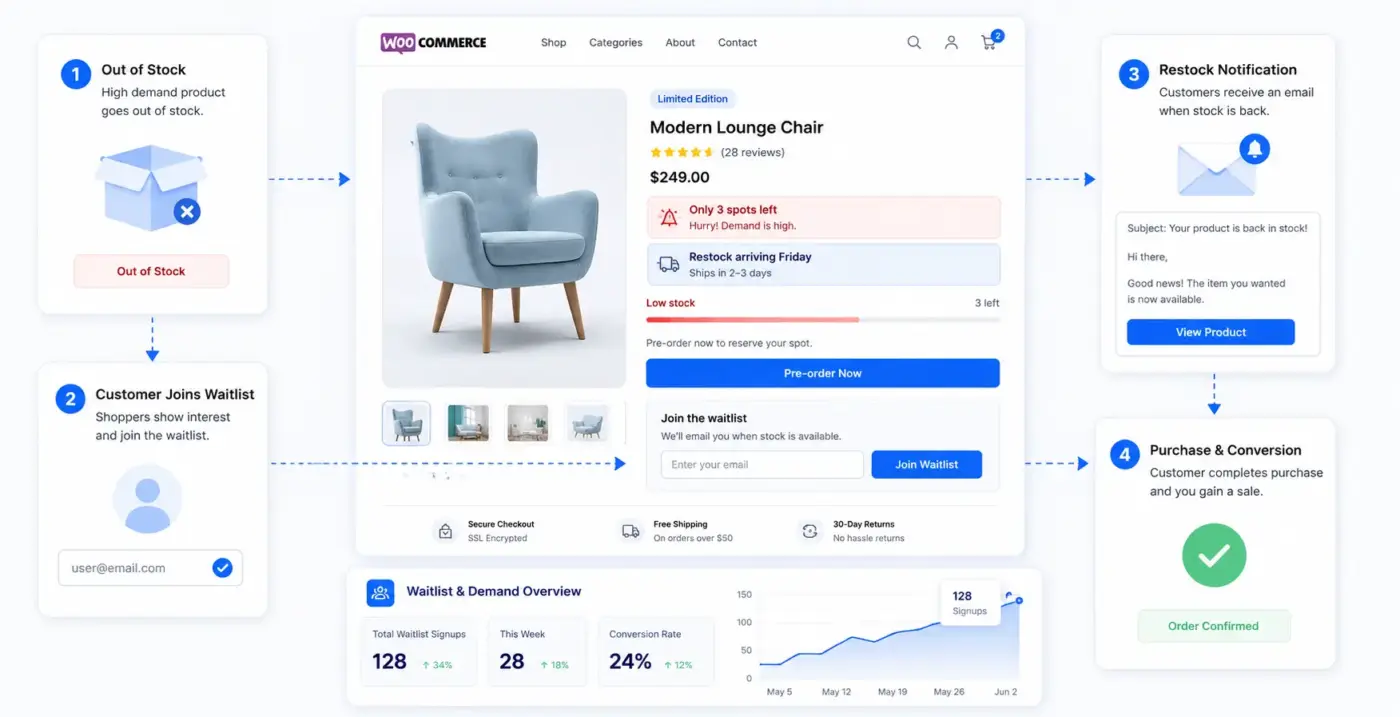
If a product is genuinely limited to a small-batch run, a seasonal item, or a product that’s out of stock and pending reorder, put it on a waitlist. Let customers sign up and tell them exactly how many spots are available.
This is real urgency built on real supply. The customer who joins a waitlist already knows demand exceeds supply. When you email them “stock has arrived, and you’re next in line,” that message converts at a level a generic promotional email never will.
A WooCommerce waitlist plugin lets you capture demand for out-of-stock products and notify customers in sequence when stock returns. The data from a waitlist also tells you which products have genuine pent-up demand, which is useful before you decide how much to reorder.
Where Urgency Goes Wrong and Why Stores Pay for It
Here’s the part most urgency marketing guides won’t tell you: fake urgency works once, and then it works against you.
A study published in the IOSR Journal of Humanities and Social Science found that 76% of consumers have experienced false urgency methods, countdown timers that reset, stock warnings that never change, “today only” offers that reappear tomorrow. Research from Acowebs found that 56% of consumers report losing trust in a website after encountering what they recognise as manipulative design.
Trust, once lost on a transactional site, is almost impossible to recover.
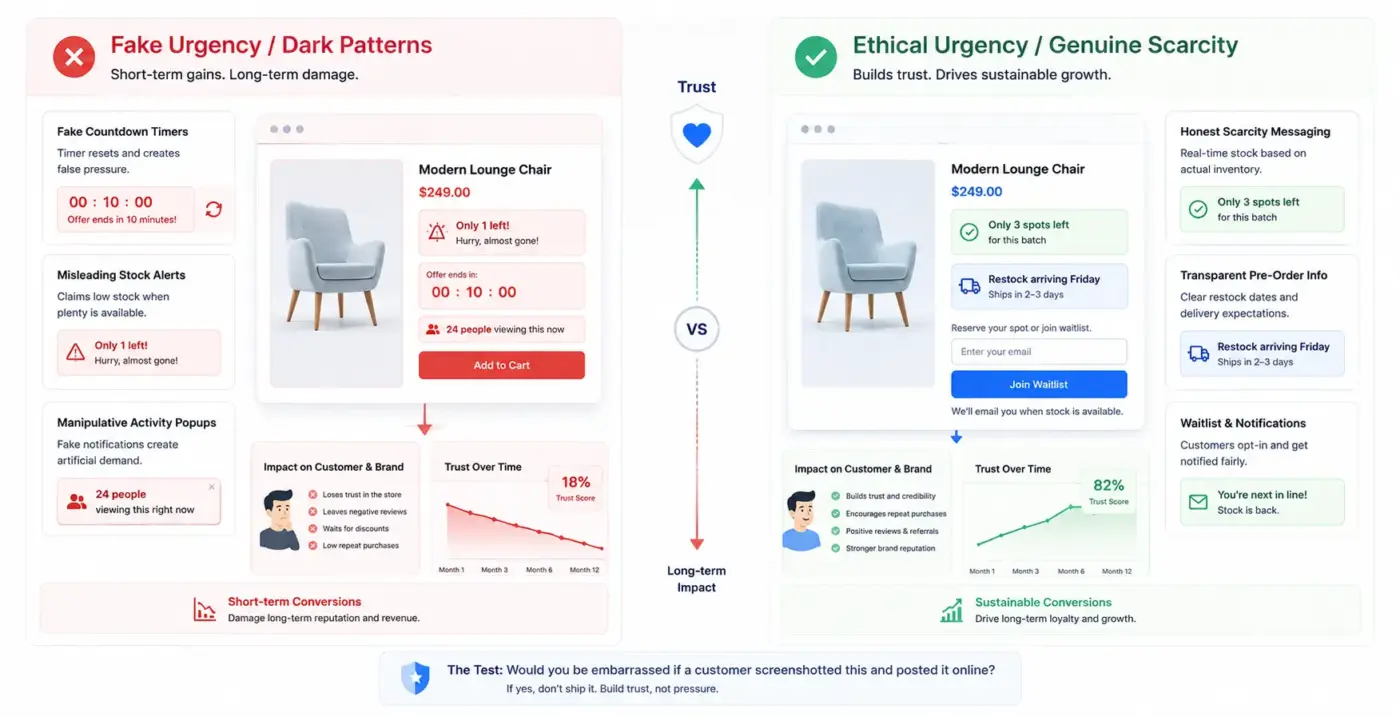
Dark patterns are the design term for these methods. They include: countdown timers that reset on page refresh, fabricated “X people are viewing this” notifications, stock levels shown as low when inventory is plentiful, and “limited time” offers with no actual end date. They’re not all illegal in every jurisdiction, but enforcement is tightening. The FTC in the US and equivalent bodies in the EU have both increased analysis of misleading ecommerce design in recent years. A 2024 review found that 75.7% of surveyed company sites used at least one dark pattern.
The practical problem is simpler than the legal one. A shopper who catches you faking a countdown will tell people. They’ll leave a review. They won’t come back. And the customer who would have bought at full price with no timer? You’ve now trained them to wait for a discount that, as they’ve learned, is always available.
Here’s a test worth applying before you add any urgency element to your store: if a customer screenshotted this message and posted it online, would you be embarrassed? If yes, don’t ship it.
Ethical urgency isn’t a weaker version of fake urgency. It’s more sustainable, more trustworthy, and when done well, more effective over time.
How to Match Urgency to Your Product and Audience
Not every product needs urgency, and not every customer responds to the same trigger. Applying a countdown timer to everything on your store is one of the fastest ways to make urgency invisible.
- Physical products with real stock limits are the best candidates for stock-based urgency. “3 left” means something when you genuinely have 3 left.
- Digital products and subscriptions benefit from deadline-based urgency instead. Early-bird pricing, launch-week rates, or access that closes after a specific date. Stock counts don’t apply, but real pricing windows do.
- Commodity products that shoppers can easily find elsewhere are the hardest sell for urgency. If your product is available on five other sites at the same price, a countdown timer on yours reads as pressure rather than a genuine signal. In this case, work on the offer first: free shipping, a bundle, or a bonus. Give the urgency a reason to exist beyond the timer itself.
- Urgency fatigue is real. Stores that run flash sales every week train their customers to wait. You’ll see it in your data as a drop in early-purchase behavior and a rise in discount-driven conversions over time. If you notice that pattern, pull back on time-based urgency for 6 to 8 weeks and let demand build naturally.
Keeping an eye on current eCommerce trends for your product category helps you understand which triggers your specific audience is already overexposed to, so you can either use them well or find an angle competitors in your niche haven’t worn out yet.
Some audiences actively distrust urgency cues. B2B buyers, high-ticket shoppers, and returning customers who know your store well tend to respond better to trust signals and clear value than to countdown timers. Match the method to the buyer, not just the product.
There are also other eCommerce promotion strategies worth pairing with urgency cashback, wallet incentives, and referral mechanics that give repeat customers a reason to buy without relying on deadline pressure every time.
Conclusion
Urgency in marketing works because of real human psychology, loss fear, FOMO, and the scarcity principle, which are well-documented forces that shorten the gap between browsing and buying. The methods that produce lasting results are the ones built on genuine constraints: real timers, real stock levels, real expiring rewards, real waitlists.
Three things worth taking away. First, urgency without a real reason to exist is just pressure, and pressure without payoff destroys trust. Second, the best urgency for repeat customers often isn’t a countdown timer. It’s expiring points, a waitlist notification, or an early-access window that rewards loyalty. Third, match your method to your product type and audience. A single approach applied everywhere becomes invisible fast.
If you want to add expiring loyalty rewards to your WooCommerce store, the WooCommerce Points and Rewards plugin handles points expiry, earning rules, and usage in one place.
Frequently Asked Questions
Q1. What is the difference between urgency and scarcity in marketing?
Urgency is about time, an offer or window that closes at a specific point. Scarcity is about the quantity of a product or access level that’s limited in supply. The two often work together, but they’re distinct levers. A flash sale ending tonight uses time-based urgency. “Only 5 units left” uses scarcity. Combining both in the same product page message tends to produce the strongest response.
Q2. Does urgency in marketing work for all ecommerce products?
No. Physical products with real stock limits and time-sensitive offers with genuine deadlines respond well to urgency cues. Digital products, high-ticket items, and commodity goods in competitive markets need a different approach. High-ticket buyers especially tend to respond to trust signals and detailed information rather than countdown timers. Apply urgency selectively based on your product type and buyer behavior.
Q3. How often should a WooCommerce store run flash sales?
There’s no universal frequency, but running flash sales more than once or twice a month typically trains customers to wait for the next discount rather than buy at full price. Most stores see the best results from flash sales tied to a specific reason (a seasonal event, a product milestone, or a real inventory clearance) rather than a regular promotional cycle with no clear trigger.
Q4. What is urgency fatigue, and how do I know if my store has it?
Urgency fatigue happens when customers stop responding to urgency cues because they’ve seen them too often. Signs include a drop in early-purchase behavior during promotions, a rise in the percentage of sales happening on the last day of a sale window, and customers mentioning in reviews or emails that they “wait for your sales.” Pulling back on urgency for 6 to 8 weeks and running a campaign with no deadline can help reset the pattern.
Q5. Can urgency methods hurt my store’s SEO?
Urgency methods themselves don’t directly affect rankings. But dark patterns (fake countdown timers or fabricated stock levels) can generate negative reviews, lower repeat visit rates, and increase bounce rates, all of which signal to Google that users are having a poor experience on your site. Honest urgency that improves conversion and keeps customers returning is neutral to positive for SEO.
Q6. What makes a countdown timer ethical vs. a dark pattern?
An ethical countdown timer reflects a genuine deadline that actually expires when the clock hits zero. A dark pattern is a timer that resets on page refresh, resets when cookies are cleared, or continues showing after the deadline has passed. The practical test: Does the offer actually end at the time shown? If yes, the timer is honest. If the “sale” continues with the timer restarted, that’s a dark pattern.
Q7. How do expiring loyalty points create urgency without pressure?
Expiring points urgency works differently from external deadline pressure. The customer already earned the points, so the deadline feels like protecting their own value rather than responding to a store’s promotion. A “your points expire in 7 days” email, especially one showing the exact discount those points unlock, tends to feel like a helpful reminder rather than a sales push. That distinction keeps the relationship intact while still driving action.