
Have you ever clicked “publish” on a blog post, only to hear… silence? No clicks, no comments, no shares — just crickets. It’s frustrating, right? And all that time, energy, and creativity you devoted to your content just don’t seem to matter.
Here is the cold, hard truth. In 2026, even the best content in the world will go completely unnoticed if you don’t actively promote it. With over 7.5 million blog posts published every day, it’s not enough anymore to just write great content.
So, what do you do?
You need a smart, modern strategy — and that’s what this post is all about. In this guide, you will discover how to promote your blog in 2026 with 15 effective, proven techniques to drive traffic and engagement, and get you the results and recognition you want.
Whether you have just launched your blog or are ready to grow it, these tips will help you get your content in front of the right people.
The Importance of Promoting Your Blog in 2026
If you’re wondering why you should even be learning how to promote your blog, let’s break it down with some real talk.
- Visibility is Key: You may write the best blog posts in the world, but if no one sees them, what’s the point? Promotion is the way to connect that great content with your target audience. Without visibility, even the best blog posts can be lost in the shuffle.
- No, SEO Won’t Change That: Sure, SEO is still a primary traffic driver. But when you’re waiting for your blog to climb the rankings in the search engines, it’s a long game. While you wait, you can still promote your blog through social media, email, and various other channels for an immediate boost to visibility.
- Traffic = Money: If you ever want to monetize the blog — either through ads, affiliate links, or digital products — traffic is not optional, traffic is paramount. By knowing how to promote your blog, you will be preparing for a future steady income to support your lifestyle.
- Authority Earns Trust: Blog promotion is about numbers, certainly. But it is also about consistently showing up and providing value. Over time, you will be able to build an engaged community that trusts your opinion, and you will be viewed as an authority in your niche.
How to Promote Your Blog: 15 Effective Strategies for 2026
This is where the real action is! These are not just random “hacks” — they’re based on what is working in 2026, based on best practices in SEO, real-world content marketing trends, and actual results.
Whether you’re looking to expand your organic reach or to create a community of loyal followers and readers, these ideas will help you to get your blog in front of the right eyeballs.
1. Share on Social Media with Intent, Not Links

You’ve probably heard it a hundred times: “Promote your blog on social.” But in 2026, it’s not just about dropping a link — it’s about creating engagement-first content.
Each platform behaves differently. For example:
- Twitter/X: Transform your blog into a 5–7 post thread that builds curiosity.
- LinkedIn: Share a short story, quote, or stat from your blog, and then link to the full article.
- Instagram & TikTok: Repurpose content into quick reels or carousels. Using an Instagram Carousel can help present more detailed content in an engaging, swipeable format.
- Pinterest: Still gigantic for bloggers — make custom pins, be sure to add titles and appealing designs.
Pro Tip: Use tools like Buffer or SocialBee to schedule posts and test which platform brings the most traffic. Monitor UTM links to see real data.
Why It Works: You are going to where your readers hang out, and you are giving them the right kind of content; you’re not just promoting, you’re providing something beneficial.
2. Build and Nurture Your Email List

An email list is worth its weight in gold. It’s one of the few platforms you “own” — think about it, no algorithm changes, no pay-to-play, and if done right, you can potentially create your #1 traffic source.
To begin, generate content upgrades such as:
- Checklists
- PDFs
- Bonus tips related to your blog post
Then, proceed to embed opt-in forms using tools like ConvertKit, MailerLite, or Flodesk.
And once people are on your email list:
- Send a regular newsletter including your latest blog posts.
- Add personal stories or highlights for engagement.
- Write subject lines that hook (i.e., “Why my blog tanked last week”).
Pro Tip: Segment your email list by interest or topic so you can send blog posts to the right people — it will improve open and click rates.
Why It Works: Email marketing puts content directly into your reader’s inbox with no distractions or competition.
3. Redeploying Your Blog into Different Formats

One blog post = 10+ pieces of content if done right! Redeploying allows you to reach a broader audience across channels and preferences in how they consume content.
Here’s how:
- Convert your blog into a video script for YouTube or TikTok.
- Create a slideshow or infographic in Canva and post it to LinkedIn or SlideShare.
- Record an audio version, and use that for a podcast or as an embed in your blog.
- Take 5–6 quotes or stats and convert them to social posts.
Example: If your blog is about “10 SEO Tips”, make a 60-second Instagram reel with a quick visual for each tip, then link to the full post in your bio.
Pro Tip: If you use AI tools like Pictory or Descript, creating a video is easy, and you don’t need any equipment or editing skills.
Why It Works: Each of us learns in different formats – visual, audio, or written. Redeploying your content helps ensure there are numerous touchpoints with your blog.
4. Answer Questions on Quora and Reddit

If you haven’t been using Quora or Reddit to promote your blog, you are missing out on a ton of organic exposure. Both of the platforms rank well on Google and have extremely engaged communities.
Here are the steps to get started:
- Search for your blog topic on Quora/Reddit.
- Find recent questions with a decent amount of views.
- Write an answer that is helpful and non-spammy, but also adds value.
- Add a soft link back to your blog for further details.
Example: If your blog is about “how to start a WordPress blog”, search that topic on Quora. Write a detailed answer and link back to your blog to read the whole guide.
Pro Tip: Don’t just use it for promotion – engage! Comment on others’ posts, upvote related content, and be a part of the community.
Why It Works: You are putting your content in front of users who are actively looking for answers, which means they are more likely to click through and have a lower bounce rate.
5. Partner With Other Bloggers and Brands

Collaboration > Competition. Building relationships with others in your niche can lead to substantial traffic to your blog.
Some collaboration examples include:
- Guest Post Swaps: You write a post for their blog, and they write a post for yours.
- Newsletter Shoutouts: Add links to each other through your curated email lists.
- Podcast Guest Spots: Share your story and have a link to your blog.
- Joint webinars or Twitter/X Spaces.
Example: Ask 5 bloggers in your niche and propose a “Top Resources” post where we all link to each other’s best content! Win-win.
Pro Tip: Use SparkToro or SimilarWeb to find creators with intersecting audiences.
Why It Works: You are tapping into warm, targeted audiences that are already engaged – and likely to click over to your blog.
6. Optimize Blog for SEO (Search Engine Optimization)
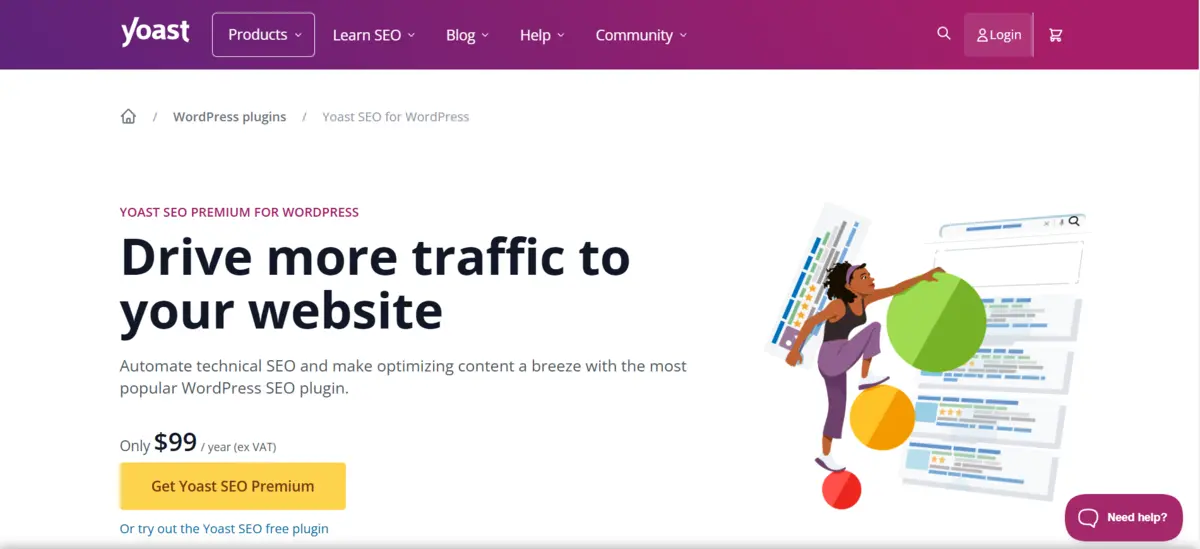
Blog promotion and SEO go hand-in-hand. SEO is a slow burn for traffic compared to social sharing, which can give you an immediate boost in traffic, but given time, it can rank your blog posts in Google, so you can get traffic for a long time.
Here is what to prioritize in 2026:
- Make sure to use the main keyword (like “how to promote your blog”) in your title, H1, and meta-description. Use it in the URL too, and in the first 100 words.
- Format the content into headings (H2s & H3s) to help search engines understand the post.
- Include internal links to other blog posts to keep your users on your site longer.
- Use tools such as Surfer SEO, Ahrefs, or RankMath to help you optimize your on-page ranking factors.
Pro Tip: Target included snippets by answering “People Also Ask” questions in short paragraphs — around 40-60 words.
Why This Works: Google is always updating its algorithm, but optimizing your content for intent-based search, as well as a well-organized content structure, will be the best ways to help your blog be seen by people who are searching your topics.
7. Use Pinterest to Generate Long-Term Traffic

While most people think of Pinterest as a platform for ideas about recipes or weddings, in 2026, it also plays an important role as a traffic source for bloggers.
Why it works:
- Pinterest functions more as a visual search engine than a social network.
- If pins are optimized correctly, they can send traffic for months or even years.
How to promote your blog on Pinterest:
- Create vertical pins (1000×1500 px) and use eye-catching titles and visuals.
- Include keywords in your pin title, pin description, and the general board.
- Pin consistently — at least 5–10 times a day, with the help of a program like Tailwind.
- Join Group Boards that are relevant to your niche, which gives your pins more reach.
Example: If you write a post titled “15 Ways to Promote Your Blog in 2026“, you would create a pin titled: “Take your blog traffic to the next level with these 15 smart tips!” and that pin would go to the post directly.
Why It Works: Pinterest allows content to exist long after posting, unlike Twitter or Instagram. One great pin can lead to stable traffic for months.
8. Use Paid Ads to Boost Visibility (Even on a Budget)

Not every way to promote a blog has to be free, and sometimes, $10 – $50 in paid ads can help give a blog post visibility and a solid kickstart.
Where to promote:
- Facebook and Instagram Ads if you’re publishing a visual or lifestyle blog.
- Google Ads if you have a high-converting blog post or if you’ve written a listicle.
- LinkedIn Ads if the content is geared toward a B2B/Professional audience.
Tips for promoting with advertising:
- Always promote valuable, evergreen blog content — avoid promoting time-sensitive posts.
- Use a great headline, benefit-driven copy, and clear visuals.
- Make sure you are tracking using Google Analytics and UTM parameters to measure return on investment.
Pro Tip: Promote blog posts that include lead magnets, like free PDFs/enabling you to collect emails while driving traffic.
Why It Works: Paid promotions help cut through the noise and get your blog in front of the right people — fast.
9. Republish and Syndicate on Sites Like Medium and LinkedIn

Syndicating your blog posts (with the proper canonical tags) is a great way to leverage larger built-in audiences.
Where to republish:
- Medium: Be sure to tag your content and publish under a Medium Publication, which extends reach.
- LinkedIn Articles: That’s why it’s great for industry-related topics or personal growth blogs.
Best Practices:
- Follow best practices by using different or unique intro language or summary language in front of or after your blog to give it a new life.
- Always link back to your original blog post for rel=”canonical” to avoid SEO duplication.
- Include a clear CTA in your resource to direct your readers to your blog or newsletter.
Pro Tip: Check out Medium’s “Import a Story” – it automatically includes the canonical tags and maintains formatting for you.
Why It Works: You’re using built-in platforms that have their audiences of people looking for valuable content without needing to do any cold promotion!
10. Use Internal Links Artistically

Two things most bloggers neglect – internal linking is a powerful method for SEO, and engagement!
Here’s how to do it:
- Link to at least 3-5 relevant blog posts in each new article you write.
- Use descriptive anchor text (e.g., “this On-Page SEO checklist for 2026” instead of “click here”)
- Go back and update your old blog posts and link to your latest content.
Why it matters:
- Internal links help to distribute page authority, which means search engines can discover your newest posts more often.
- They help reduce your bounce rate (time spent on your site) and keep visitors longer on your site.
- They help guide your readers through their journey – your readers might start confused, but you help them get to a solution and/or conversion.
Example: If I’m writing a post titled, “How to Grow Your Blog’s Email List”? I’m going to link to my article, “How to Promote Your Blog,” to create that extra impact.
Why It Works: It’s an easy, free way to boost your SEO, improve the user experience, and keep your readers engaged.
11. Transform Your Blog Post into Video Content

Video isn’t an option in 2026 — it’s an absolute must! Why? Because platforms such as YouTube, TikTok, Instagram Reels, and even LinkedIn are allocating more and more priority to both short-form and long-form video than ever before.
How do you take a blog post and turn it into a video?
- Capture the main points from your blog.
- Break them down into short, interchangeable “quick video scripts,” and expand them into multiple videos.
- Record yourself giving a summary of the main points, or use one of these services to create animated and visual explanatory videos: Lumen5, Pictory, or Descript.
- Provide the URL to your blog in the description or ask for a call to action in the video itself.
Example: If your blog was called “15 Ways to Promote Your Blog,” take it to YouTube with “5 Free Ways to Drive Blog Traffic Fast in 2026.”
Pro Tip: Embed the video back into your original blog post. This will increase time-on-page (which is a good ranking signal) and will give your readers content variation.
Why It Works: Video content will improve retention, improve rankings (Google loves multimedia posts), and take your reach beyond purely search.
12. Connection in Roundups and Link Building Outreach

What if you could get links that are bringing real authority and traffic? Roundups and expert listicles are your friend.
Here’s how to get featured:
- Find blog posts that are the “Top 25 Marketing Blogs to Follow in 2026” or “Best Productivity Tools for Creators.”
- Email the author a short personalized pitch, highlighting your blog as a valuable resource where she/he can tie into your post.
- You can offer to give a very short quote, case study, or original tip that suits his/her post.
You can also:
- Sign up for HARO (Help A Reporter Out) and respond to journalists’ queries.
- Make an effort to establish relationships with bloggers by engaging on their blogs first!
Pro Tip: If/when you get featured, promote the roundup yourself to build visibility. Your efforts may increase visits to the site and hopefully motivate the host to reach out for collaboration again in the future.
Why It Works: Being featured in roundups helps you earn quality, relevant backlinks and exposes your blog to new, relevant audiences!
13. Participate in Facebook Groups, Discord Servers, and Slack Groups
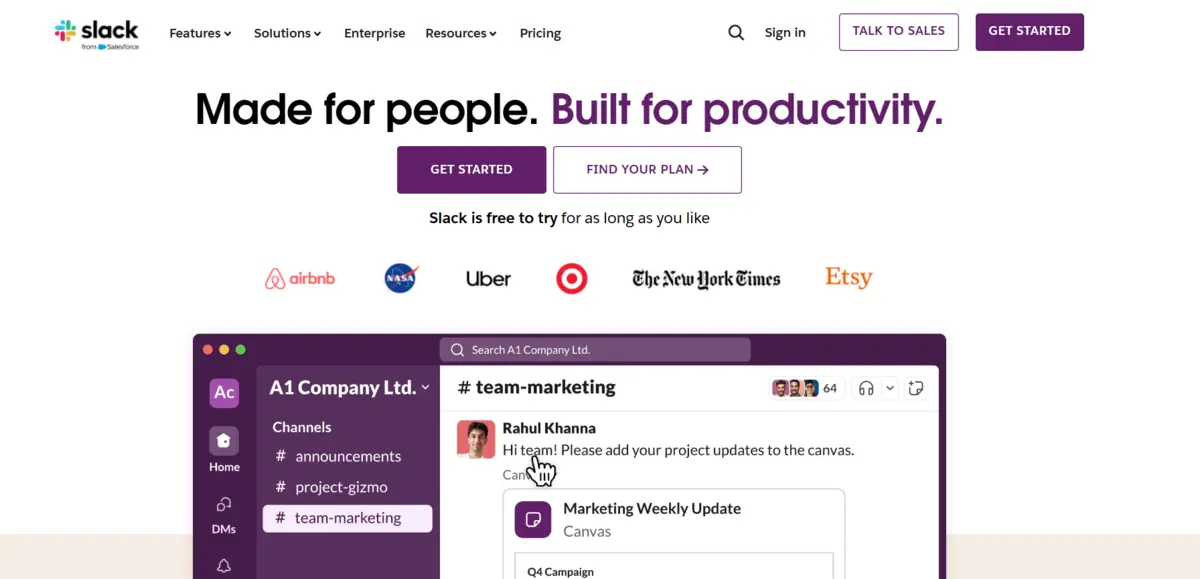
Social groups have a reputation for being places to promote or rant about your work. But, they can be a hidden treasure trove of blog traffic if you know how to use them properly.
How to promote your blog in groups:
- Join 5–10 groups where your ideal reader is hanging out.
- Be helpful: answer questions, give thoughts, drop helpful links (including your blog) when relevant.
- Avoid self-promotion and spamming without reason.
Example: If your blog is on freelancing writing, get into Facebook groups like “Freelance Content Writers Hub”, and aid members asking questions about pitching clients and blog traffic.
Pro Tip: Make a list of recurring questions people ask in your niche, write blog posts around those questions, and then link your answers to your site.
Why It Works: These groups are pre-built, engaged audiences — you are promoting your blog directly to people who already care about your subject matter.
14. Use Click-to-Tweet and Share Triggers in Your Content

Don’t just hope people will share your blog – make it ridiculously easy for them to share.
Here are some great ways to do it:
- Make click-to-tweet boxes for your most quotable lines or stats! Use Better Click to Tweet or Social Warfare (there are plenty of others out there, too).
- Try to draw out emotion, surprise, or authority in your quotes – think about what will trigger some action.
- Add buttons to share on social media at the top, side, and end of every blog post!
- Add Open Graph pictures and metadata so that your blog will look clean and clickable when it is shared.
Example: Add a tweet box that says:
“Struggling with blog traffic? These 15 blog promotion strategies changed everything for me. [Read more]”
Why It Works: Making your content easy to share will multiply your blog’s reach without you having to give an extra effort – your readers will be promoting you!
15. Track Analytics and Double Again on What Works
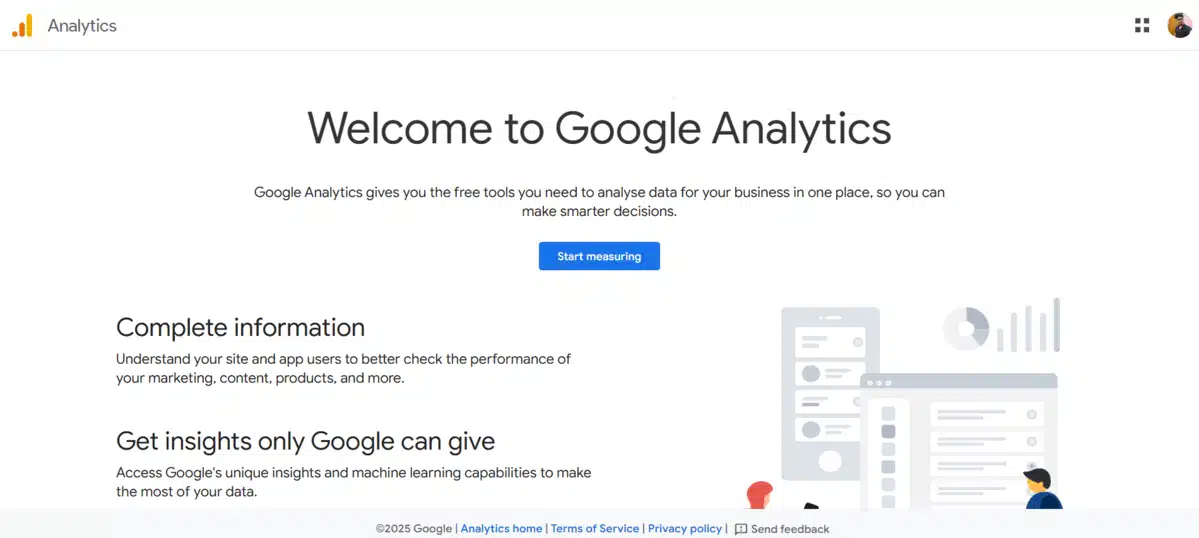
You can attempt half a dozen different tactics — but only some will work the best, especially for your blog. That is where analytics is important.
Track:
- Traffic sources (social, search, email, referral)
- Top-performing blog posts
- Bounce rate, average time on page, and conversion goals
Use tools like:
- Google Analytics 4
- Google Search Console
- Hotjar or Microsoft Clarity (to see how users interact with your blog)
Based on the data:
- Promote the blogs that are already doing well — this maximizes ROI.
- Identify underperforming content and optimize or repurpose it.
- Adjust your strategy based on what your audience wants.
Pro Tip: Set up goal tracking (e.g., email signups, clicks to affiliate links) so you know which blogs are bringing in real results.
Why It Works: Data-driven promotion helps you focus on what drives traffic, not just what sounds good on paper.
Final Thoughts
It’s time to take action and promote with intention. Let’s be honest — a good blog post is only half the challenge. The real challenge is learning how to promote your blog in ways that drive real outcomes.
Now you have 15 robust and proven strategies to do just that. Whether it is repurposing your written content as videos, using collaborations with like-minded people to build authority, or using resources like Pinterest and Reddit, the key is consistency.
You don’t have to implement every strategy at once. Begin with two or three strategies, track your results, and grow that success. But don’t forget that a blog is not just about traffic. A blog and its promotions are about building trust and community, and building over the long term.
The more value you deliver, the more your audience will repay that value by being there for you too.
So what’s the next step? Pick 3 strategies from this post and implement them this week, not next month or “when I have time.” Start today — your future self (and blog metrics) will be grateful.
If you need help converting this strategy into workflows, consider bookmarking this post or sharing it with another blogger so we can grow together.