
You can sell beauty products online by picking a niche, handling the legal basics, building a WooCommerce store, sourcing quality products, and marketing to the right audience. This guide breaks the process into nine clear, screenshot-ready steps.
Maybe you have a skincare recipe your friends keep asking about. Maybe you just want income that does not depend on a storefront lease.
Either way, the beauty industry rewards people who start small and stay consistent. This guide skips the vague advice you have probably already read elsewhere.
Every step below includes the exact sub-steps you need. You can follow along and screenshot each one as you go.
Why Sell Beauty Products Online?
Understanding why so many entrepreneurs choose to sell beauty products online can help you decide if this business model fits you.
Selling through an online beauty store costs far less than running a physical shop. You skip rent, utility bills, and in-store staffing.
You also sell around the clock. A customer in another time zone can browse and buy while you sleep.
Beauty shoppers already expect to shop this way. Instagram, TikTok, and Pinterest all double as discovery tools, so your marketing and your sales channel can live in the same place.
The global beauty and personal care market is on track to reach $698.38 billion in 2026, with online sales already making up 30.6% of that total, according to Statista. That is a lot of room for a new store to find its footing.
Running a beauty eCommerce business also gives you data most physical stores never see. You know exactly which shade, size, or scent sells best, and you can restock based on real numbers instead of guesswork.
How to Sell Beauty Products Online: Step-by-Step Guide
Each step below builds on the one before it. Skip ahead if a piece is already handled, but do not skip the store setup step. That is where most beginners get stuck.
Phase 1: Pick Your Beauty Niche
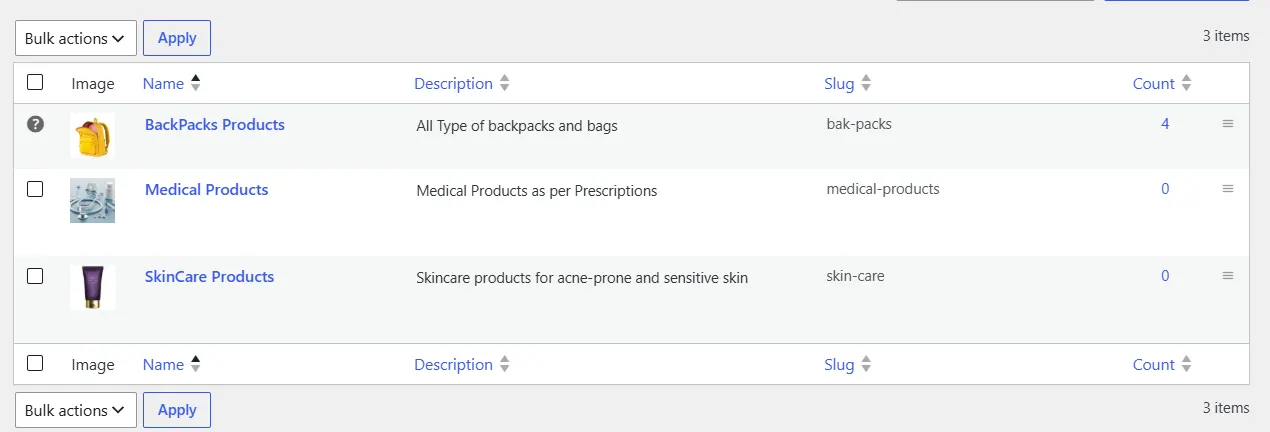
“Beauty” is too broad to compete in on its own. The niche you choose shapes everything else when you sell beauty products online, from your product photos to your ad targeting.
Common beauty niches include:
- Skincare for a specific concern, like acne or sensitive skin
- Vegan or cruelty-free makeup
- Men’s grooming products
- Hair care for textured or color-treated hair
- Natural and organic formulations
Pick a niche that matches something you know or care about firsthand. If you decide to sell skincare online, you should understand the ingredients well enough to answer customer questions without guessing.
Phase 2: Research Your Audience and Competitors
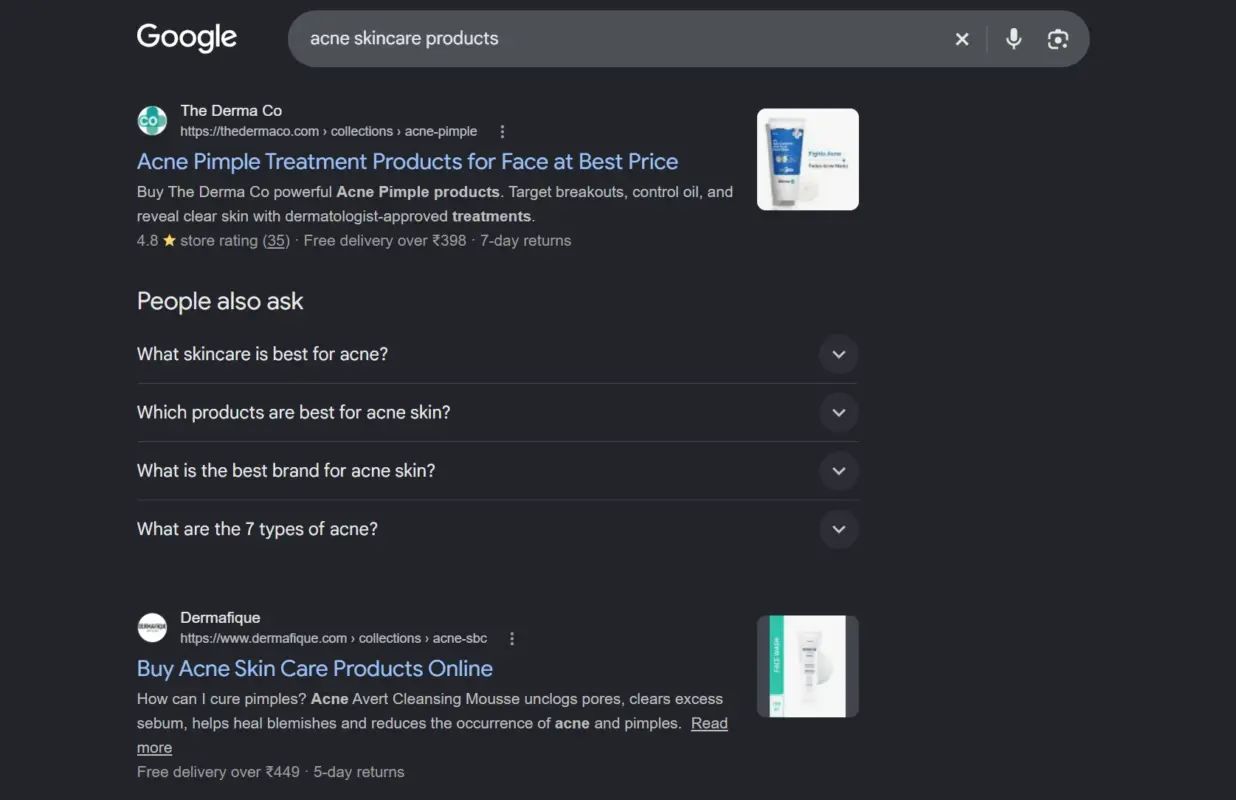
Once you have a niche, figure out who buys in that space. This research makes it much easier to sell beauty products online with a message that lands.
Search your niche keywords on Google and note which brands show up. Read their reviews, both good and bad.
Bad reviews especially tell you what customers wish existed but cannot find yet. Ask yourself three questions:
- What age range and skin type does this niche serve?
- What price point do they expect to pay?
- Where do they already shop: Instagram, Amazon, or a dedicated site?
That last question shapes almost every decision you make next.
Phase 3: Handle the Legal and Licensing Basics
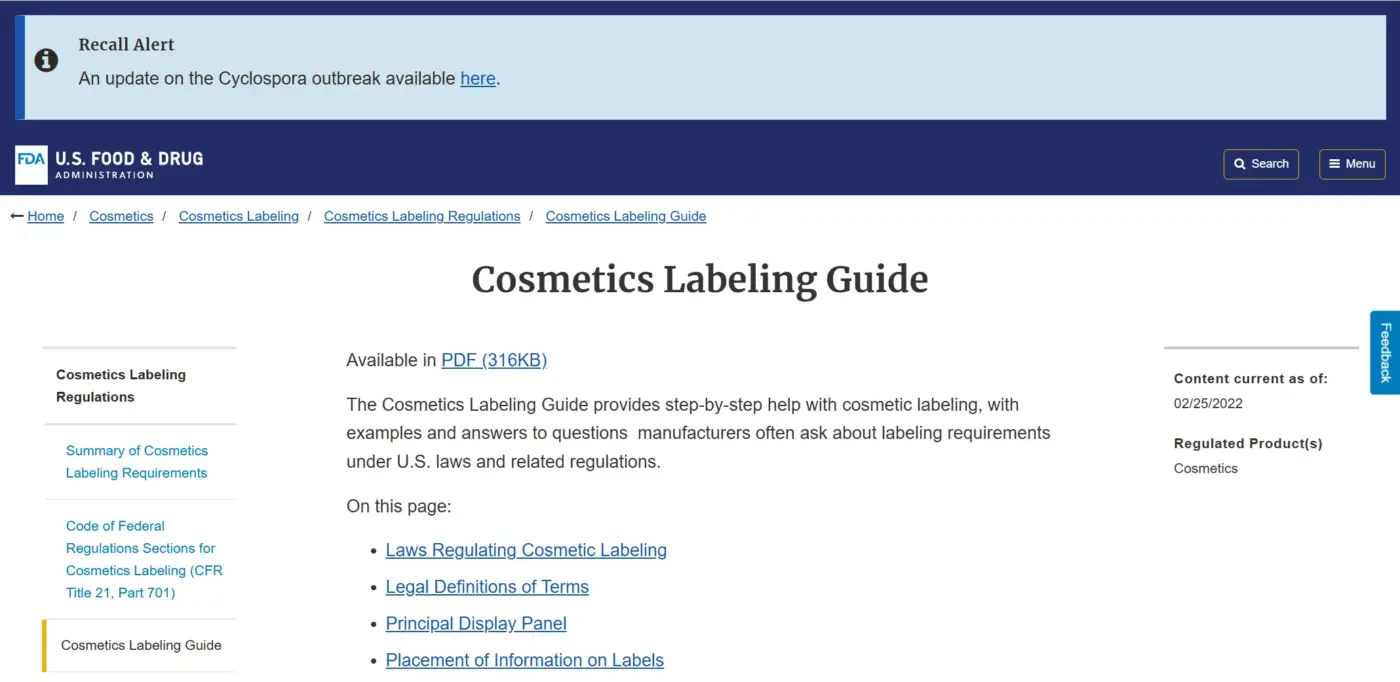
Beauty products are regulated more heavily than most retail goods. Handling this early protects you as you sell beauty products online long-term.
In the United States, cosmetics must follow FDA labeling rules. These cover ingredient lists, net quantity, and safety warnings.
Review the FDA’s Cosmetics Labeling Guide before you finalize your packaging.
You will also need:
- A registered business name or LLC, depending on your country
- A sales tax permit if your state or region requires one
- Product liability insurance, which protects you if a customer has a reaction
Skipping this step feels tempting when you are excited to launch. Do it anyway. It costs far less to handle upfront than to fix after a complaint.
Phase 4: Source or Manufacture Your Products
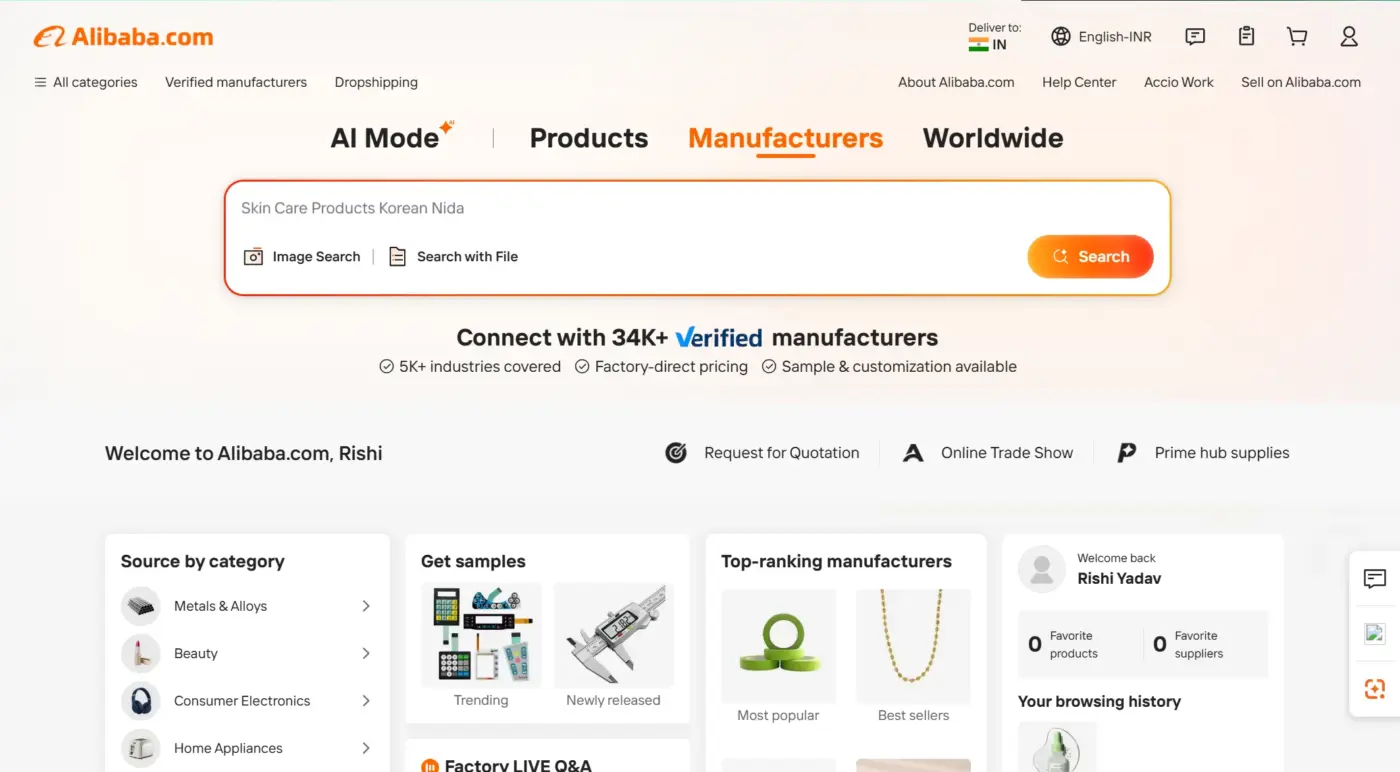
Sourcing reliable products is one of the most overlooked parts of learning how to sell beauty products online. You have two real paths here: make the products yourself or source them from a supplier.
Manufacturing gives you full control over the formula and packaging. It also needs more upfront investment and time.
Sourcing from a wholesale supplier gets you to market faster, which suits most first-time sellers. If you go the wholesale route, look at:
Always order a sample before committing to a bulk order. A product photo never tells you how a cream feels or how a lipstick wears on skin.
Phase 5: Build Your Online Store on WordPress and WooCommerce
This is the step most guides gloss over, and it often decides whether you can sell beauty products online successfully or stall before your first sale. Here is exactly what to click, broken into sub-steps you can screenshot one at a time.
1. Get Hosting and Install WordPress
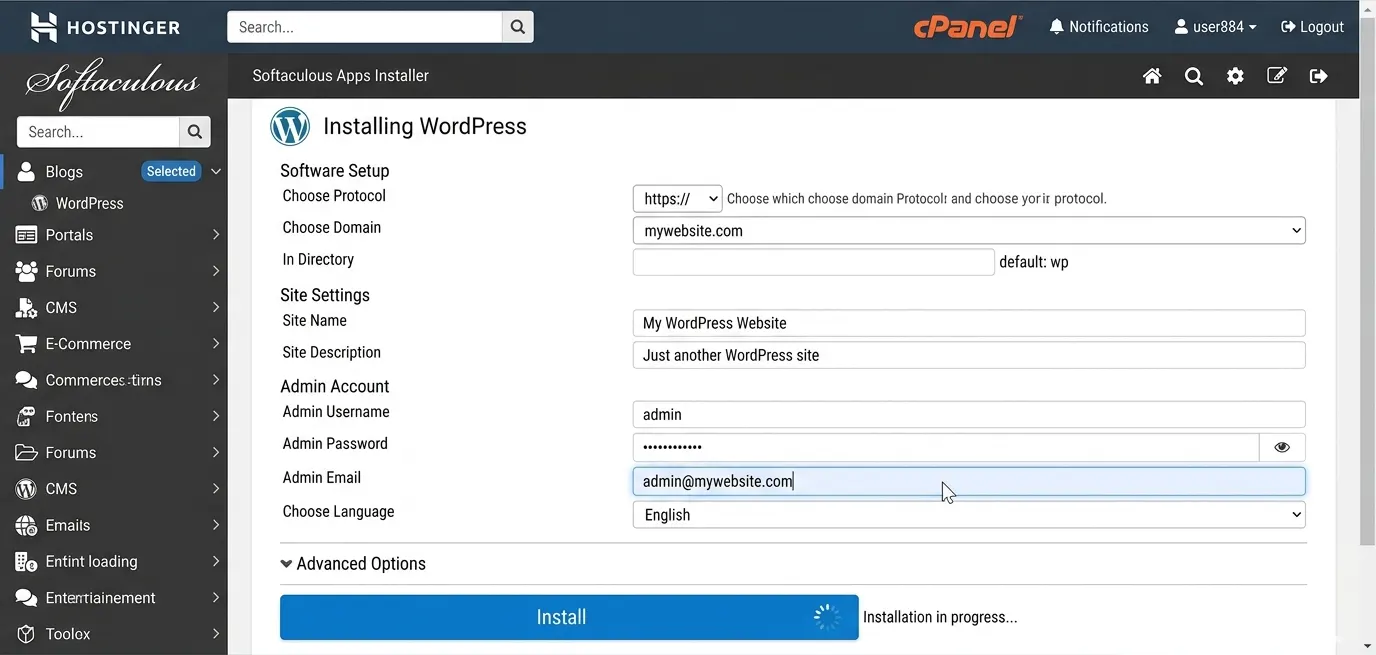
Pick a hosting provider that offers one-click WordPress installs. Most hosts walk you through this in under 10 minutes.
Once installed, log in to your WordPress dashboard. This is your control center for everything that follows.
2. Install the WooCommerce Plugin
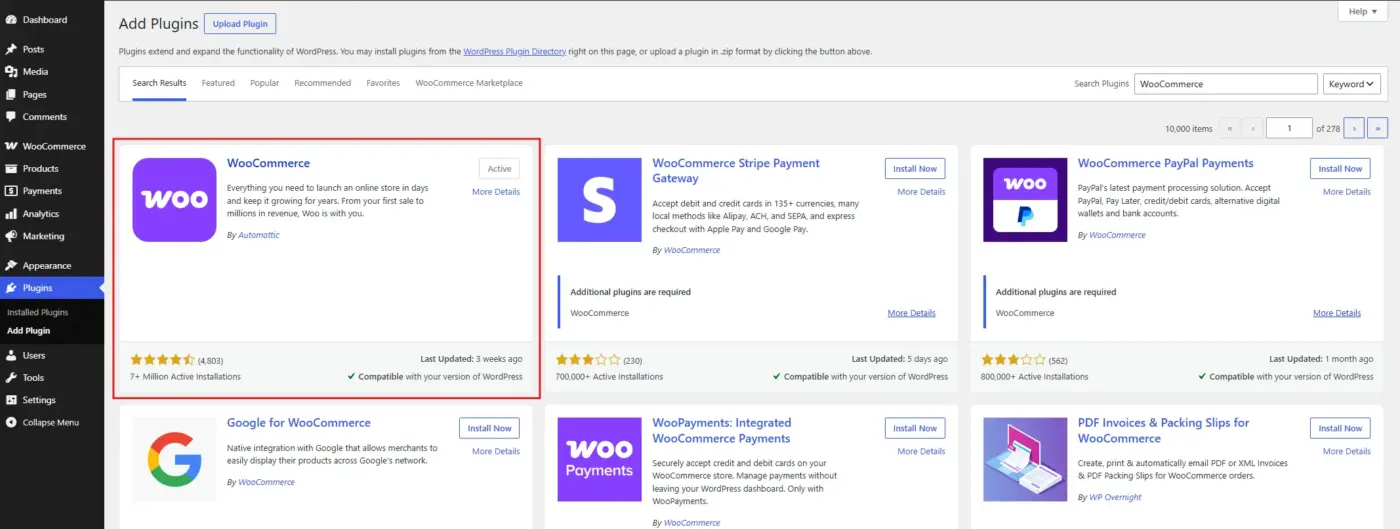
From your dashboard, go to Plugins → Add Plugin. Then install and activate the WooCommerce plugin.
Walk through the wizard and enter your store’s basic details, including currency and location. For the full walkthrough with screenshots, see this guide on how to set up WooCommerce on WordPress.
3. Choose a Theme Built for Product Photos
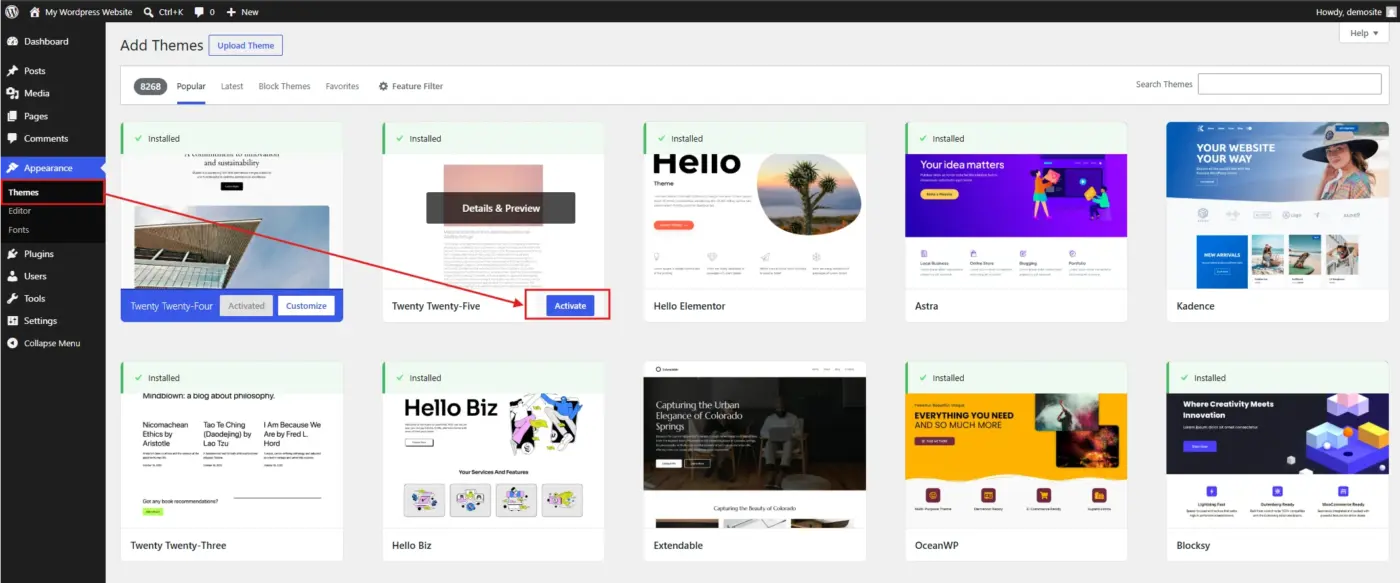
Beauty sells on visuals, so pick a theme with large product image support and a clean grid layout.
Go to Appearance → Themes to browse free options. You can also upload a premium theme if you already bought one.
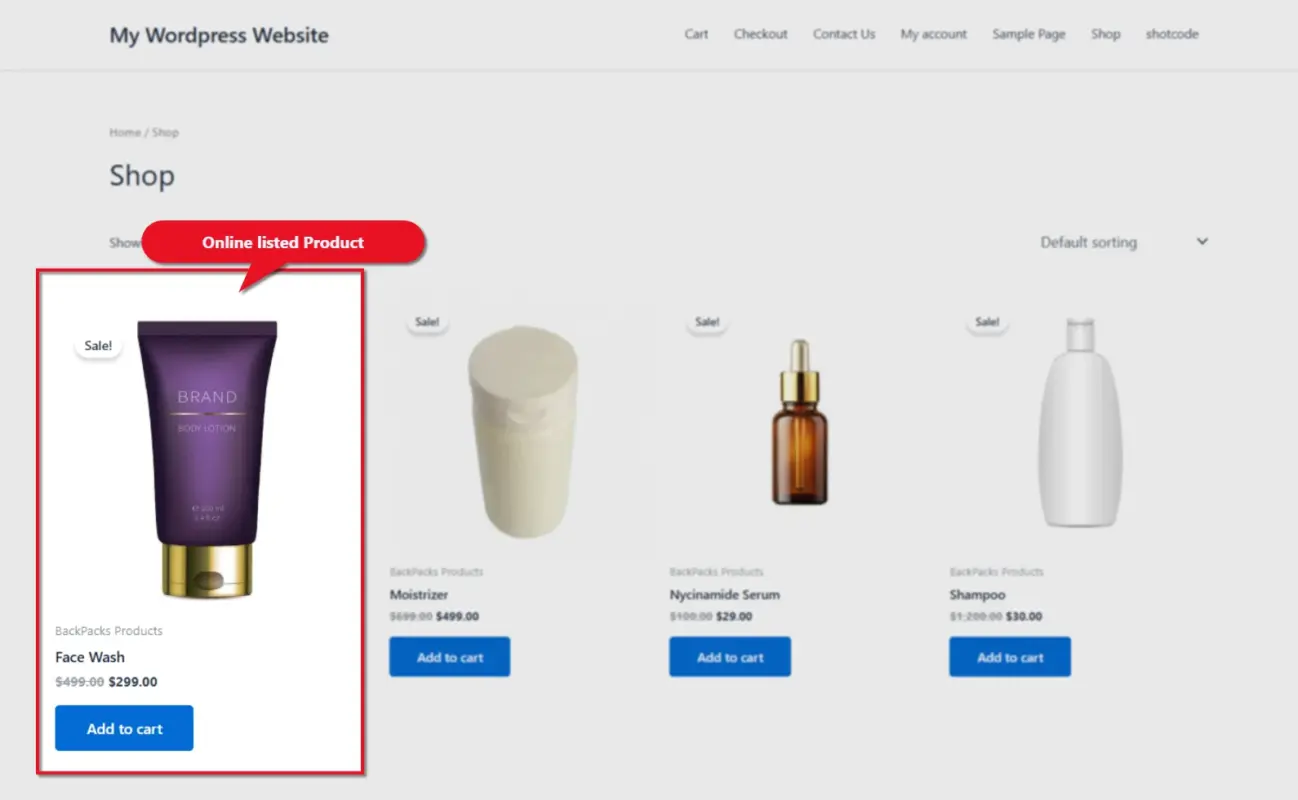
4. Add Your First Product
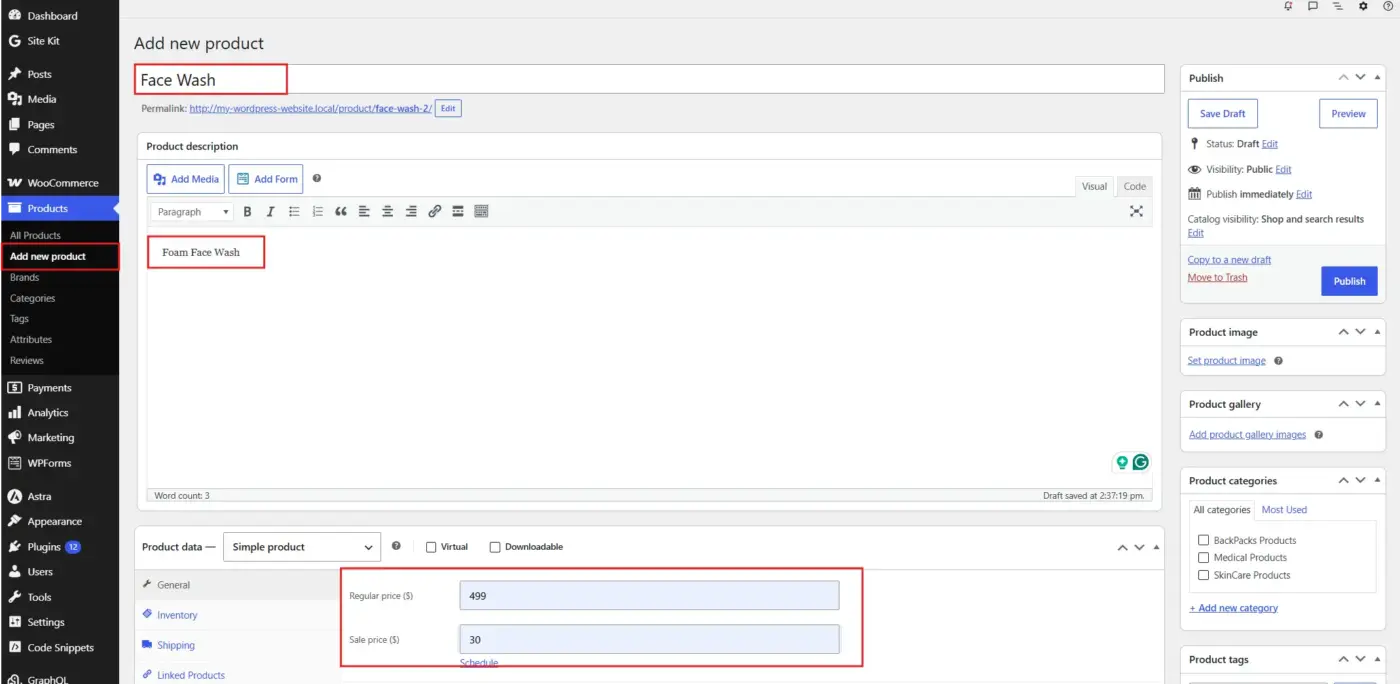
Go to Products → Add New. Fill in the product title, description, and price.
Upload at least three images per product: one clean shot, one lifestyle shot, and one close-up of texture or shade.
5. Set Up Product Variations
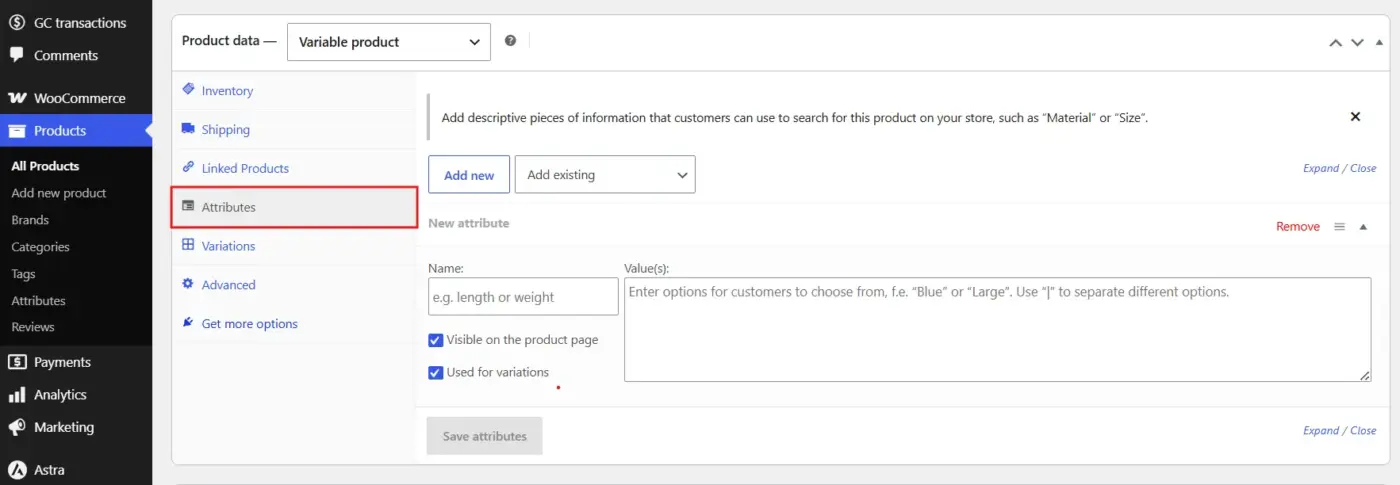
If a product comes in multiple shades or sizes, go to the Attributes tab and add a variation for each option.
This lets customers pick a shade from a dropdown instead of you creating a separate listing for every color.
Once these five sub-steps are done, you have a live, working WooCommerce beauty store. Everything after this point is about filling it and driving traffic to it.
Phase 6: Write Product Descriptions That Sell
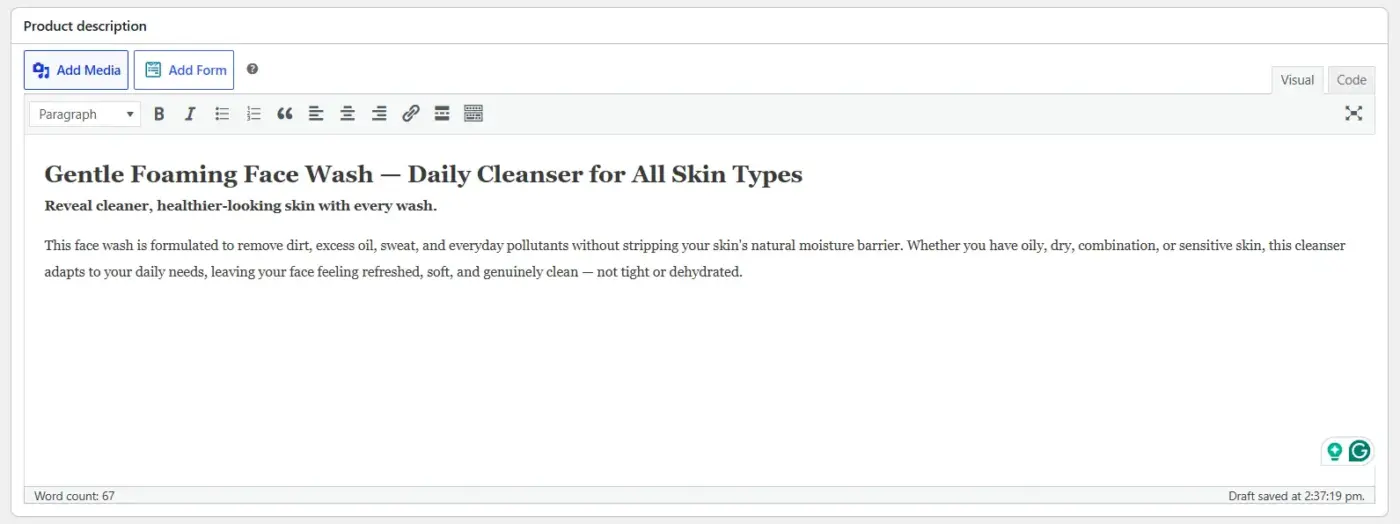
An unclear description loses sales. A specific one builds trust, and this is what separates sellers who sell beauty products online successfully from those who plateau fast.
For every product, include the full ingredient list, how to use it, and who it suits best. If you sell skincare online, mention skin type compatibility directly in the description, not buried in a separate PDF.
Add alt text to every image using a real, descriptive phrase. Search engines cannot see a photo, but they can read alt text. It also helps your online makeup store show up in image search results.
For a deeper walkthrough on structuring these pages, check this guide on the product listing page.
Phase 7: Set Up Payments and Shipping
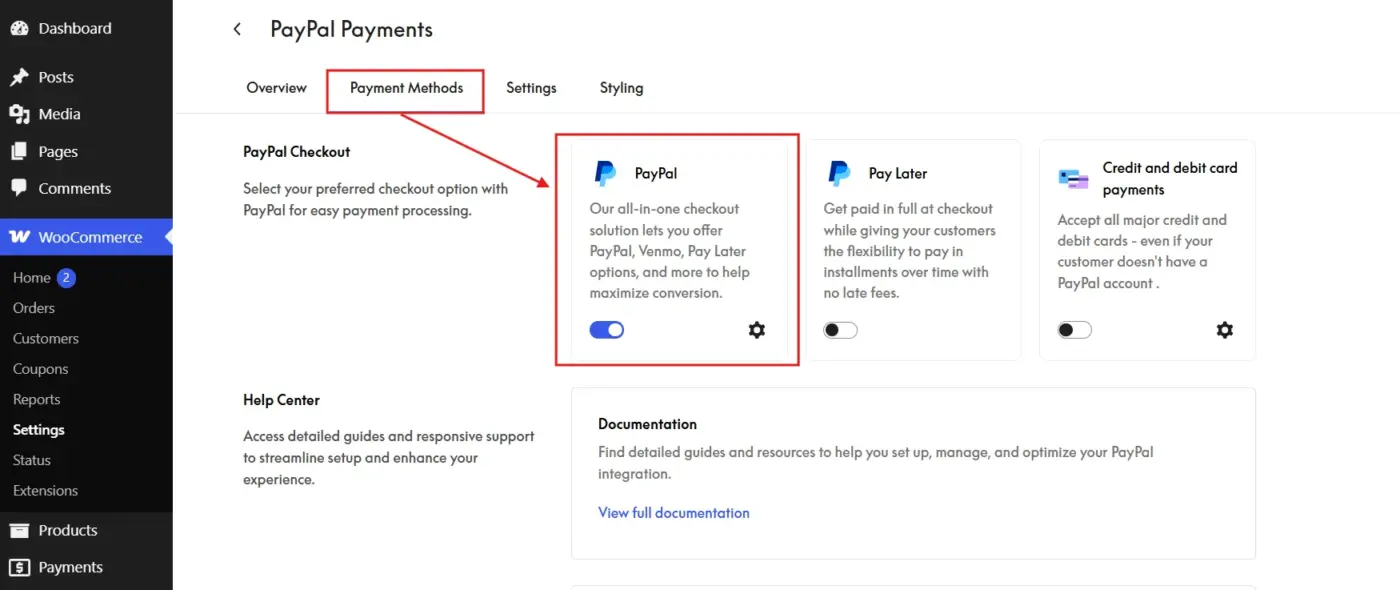
Customers abandon carts fast when checkout feels risky or confusing. A confusing checkout is one of the fastest ways to lose a sale after you sell beauty products online but before the buyer pays.
Enable at least two payment options, usually a card processor plus a digital wallet like PayPal or Apple Pay. WooCommerce supports both through free extensions.
For shipping, beauty products need extra care:
- Use leak-proof packaging for liquids and creams
- Add insulated packaging for anything that melts in heat, like lip balm or bar soap
- Offer flat-rate shipping if your products are similar in size and weight, since it keeps checkout simple
Phase 8: Market Your Beauty Store
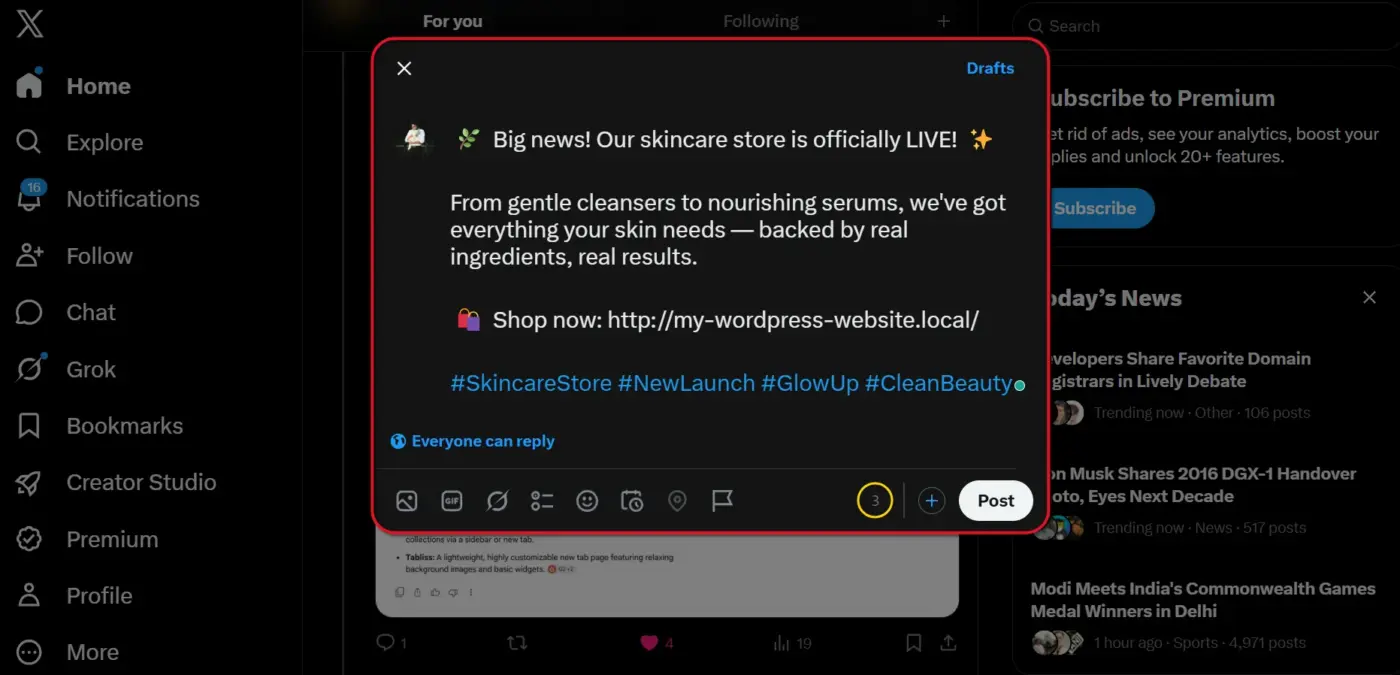
Your store will not attract customers on its own. You need consistent marketing that puts your products where beauty shoppers already spend time.
Start with three channels:
- Instagram, X, and Facebook: where before-and-after content and quick tutorials perform best
- Email: for restock alerts and first-order discounts
- SEO-focused blog content: so people searching for a specific concern find you organically
A single influencer post can move more product than a week of paid ads, especially from a micro-influencer with an engaged, relevant audience. Marketing consistently is what separates sellers who sell beauty products online for years from those who quietly give up after a month.
For a full breakdown of channel selection, see this digital marketing strategy for a new product launch.
Phase 9: Turn First-Time Buyers Into Repeat Customers
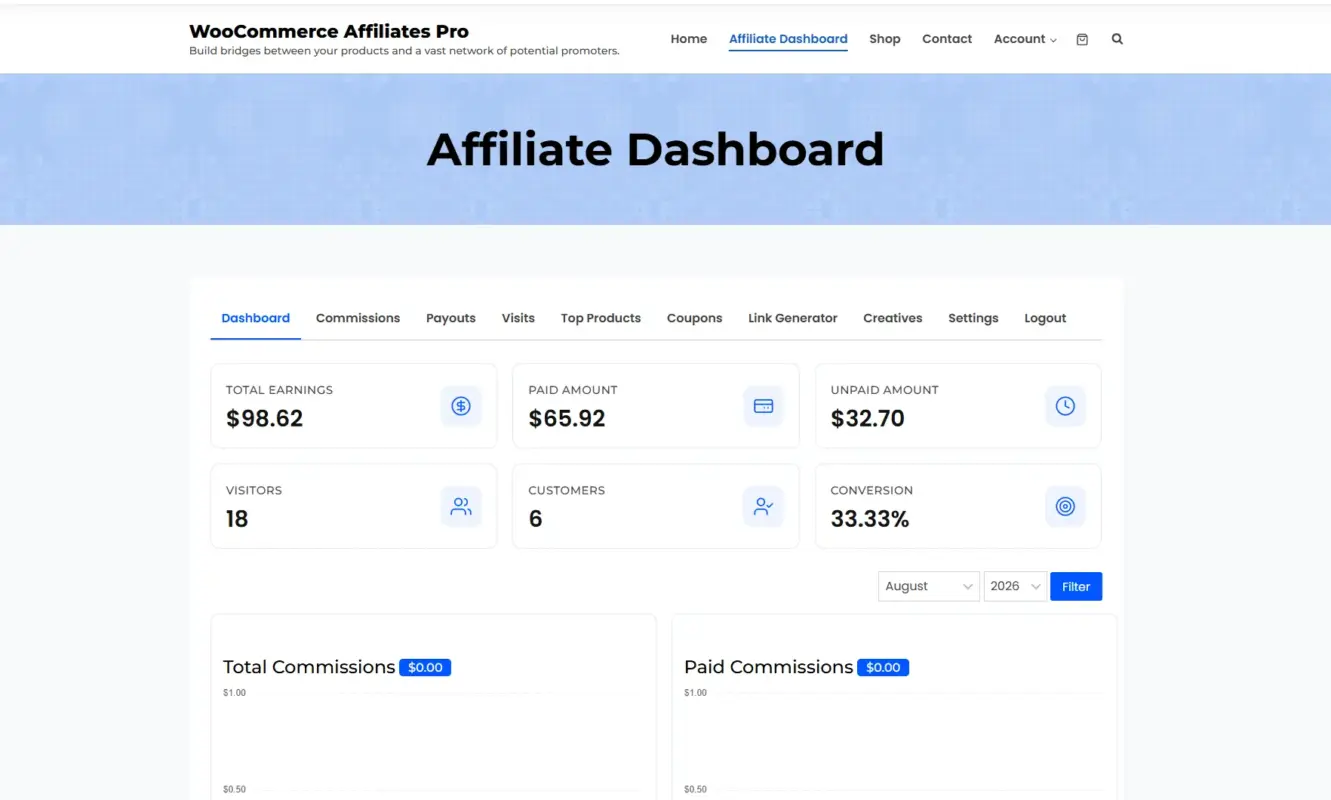
Getting a first sale is hard. Getting a second sale from the same customer is much cheaper, and beauty products are naturally repeat purchases since people run out of them.
One of the fastest ways to build repeat business is word of mouth from your own customers. A WooCommerce affiliate plugin lets shoppers, influencers, or beauty bloggers earn a commission for referring your store.
That turns your existing customer base into a small sales team without extra ad spend. Pair it with a simple email flow that reminds customers when they are likely running low on a product.
That single email often brings back a customer who would have otherwise switched to a competitor out of pure convenience.
Common Mistakes to Avoid When You Sell Beauty Products Online
Even a solid plan falls apart if you trip on one of these.
- Skipping the sample order: A supplier’s photos rarely match the real product. Order a sample before you commit to a bulk run.
- Ignoring shelf life: Beauty products expire. This matters even more if you sell cosmetics online across regions with different climates, since heat speeds up spoilage.
- Underestimating shipping damage: Glass bottles and pressed powders break in transit more often than sellers expect. Budget for proper padding, not just a box.
- Copying competitor pricing without checking margins: Matching a competitor’s price only works if your costs are similar too. Calculate your actual margin first.
Conclusion
Selling beauty products online comes down to a real sequence, not a vague idea. Pick a niche, handle the legal basics, build your WooCommerce beauty store, and market consistently across the channels your audience already uses.
The steps above cover the parts most guides skip, especially the actual store build. Once your site is live, the rest is a matter of testing what resonates with your specific audience.
If you are ready to sell beauty products online, start with Step 1 today. Momentum matters more than a perfect launch.
Frequently Asked Questions (FAQs)
Q1. Do I need a license to sell beauty products online?
You usually need a registered business and, depending on your state or country, a sales tax permit. Cosmetics are regulated by agencies like the FDA in the US, so check labeling rules before you sell.
Q2. How much money do I need to start an online beauty store?
Costs vary widely, but a wholesale-sourced store with a basic WordPress and WooCommerce setup can launch on a few hundred dollars. That covers hosting, a starter product batch, and packaging.
Q3. Is WooCommerce or Shopify better for a beauty store?
WooCommerce gives you more control over customization and usually costs less over time, while Shopify is faster to set up. Most sellers who want long-term flexibility choose WooCommerce.
Q4. How do I handle returns for opened beauty products?
Most sellers use a no-returns policy for opened or used items due to hygiene concerns. Unopened, unused products can still qualify for an exchange or store credit.
Q5. How long does it take to see sales after launching?
Most new stores see their first organic sales within four to eight weeks. A paid ad push or an influencer partnership can bring sales in sooner.
Q6. Can I sell beauty products online without manufacturing them myself?
Yes. Many sellers source from wholesale suppliers or white-label manufacturers, which lets you focus on branding and marketing instead of production.