

Why do some webpages end up on Google and others disappear into the internet abyss?
The answer to that question often starts with website metadata.
It’s the first step in making sure your page appears on Google—and so also the first step to bringing in organic search traffic (which, to this day, remains the most important kind of traffic).
Let’s break down just how important having good webpage metadata is for organic web search.
What is Metadata?
Metadata literally means “data about data.” For webpages, this refers to the elements in the HTML that describe key details about the page, including:
- Page title: the main headline users see in search results.
- Meta description: a quick preview of on-page content.
- Author: details of the person who created the content.
- Language: the page’s language.
- Content type: what kind of content it is (article, product page, blog post, etc.)
- Canonical tags: the preferred URL for a page to help prevent duplicate-content issues.
- Schema (structured data): special code for adding extra details (prices, stock availability, event dates, star ratings, FAQs, etc.)
Together, these elements essentially tell the search engine what your page is about in a nutshell.
Of course, you’ll need a lot more to rank highly. However, think of metadata as the first step, the bare minimum, to appearing on search engines in the first place.
What Organic Search Is and Why It Matters
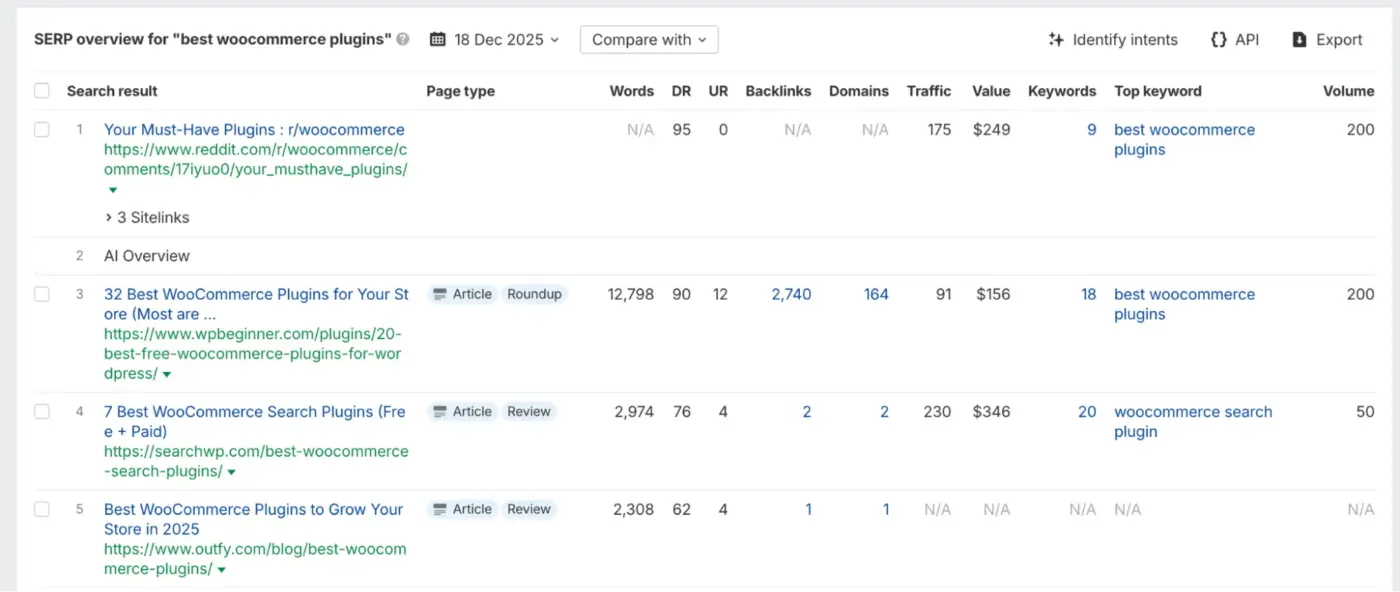
Organic search refers to the unpaid results that appear when typing into a search engine.
This is in contrast to paid results, which are on the search results page because the business paid for them.
So why is organic search so important?
Put simply, most of your website traffic will come from organic search. Reports show that 94% of all Google clicks and 53% of all website traffic come from organic search.
After all, unlike paid ads, these search engine rankings weren’t bought. They were earned because the page was relevant and high-quality. Users clicked on them because they provided the information they were actually looking for.
How Good Metadata Helps Drive Organic Search
Organic search is critical to attract people to your site—but how does metadata help with that? Below, we go through the various reasons why.
Visibility: Metadata Helps Search Engines Understand Your Content
Metadata helps the search engine sort out what your data, website, or ad is about among billions of other active web elements.
It’s particularly useful when the user’s search intent is somewhat ambiguous. If a person types and searches “Apple,” what are they looking for? The company, or the fruit?
Are they looking for the fruit? The company? Or do they want to buy an iPhone?
For example, check the following examples with well-crafted metadata page titles:
- A page result titled “Apple Nutrition Facts and Recipes” is clearly about the fruit.
- A page titled “Apple iPhone 15 – Buy Online” signals transactional intent for the product.
- A page site titled “Apple Inc. Company News and Updates” signals informational or navigational intent about the company.
It’s far easier for Google to show these pages to users looking for these pieces of information.
Connection of Metadata and Clicks
Metadata and click-through rate (CTR) are very important elements to define if a website or an ad is successful. Alt text, headings, URL slugs, and tags are not just items for a web crawler to index; these are also the main elements that a user reads before clicking.
In fact, think of meta descriptions like ad copy for organic search. Well-defined elements will answer questions such as:
- The intent and subject matter of the website.
- Showcases authority elements, such as credentials and data.
- Relevance of the content.
A page that ranks lower might receive more clicks than a higher-ranking one, due to a combination of accurate metadata with good ad copywriting.
Metadata and Trust Signals
Clear, accurate metadata also communicates professionalism and authority on a topic. This means whoever runs the website pays attention to the details and genuinely cares about the subject.
When people find what they expect on your page, engagement improves. But when they don’t because you have poor metadata, bounce rates will spike.
Search engines will then take note of this and consider your page to be a low-quality result (because, well, it just might be).
Technical Tags
Metadata is also critical to keep your pages organized. And consequently, visible to the right users at the right time.
The following components of metadata, in particular, tell search engines how to handle pages that receive all sorts of traffic:
- Canonical tags say which version of a page is the “main” one when you have duplicates or very similar pages.
- Hreflang tags tell Google which language or country/region a page is meant for. The rise of digital privacy services, such as VPN for Windows and private search engines, helps people hide their true location. If a person changes their IP address to a different region, your site might display translated website content rather than their true language preference. With correctly configured hreflang tags, the search engine recognizes the browser’s language preference and serves the intended content, even though their location is different.
- Robots meta tags explain which pages search engines should or shouldn’t crawl and index.
These are so important for more complex sites (multi-regional sites, international eCommerce, or content platforms). Without them, Google can end up indexing the wrong pages or showing the wrong version to your visitors.
Structured Data: The Gateway to Rich Results

Having schema markup to enable rich snippets—those eye-catching elements like star ratings, product pricing, FAQs, and recipe instructions—can be a game-changer, especially for eCommerce sites.
(In fact, many would argue that rich snippets are outright essential nowadays for eCommerce.)
Rich results generally increase CTR because they provide users with immediate, valuable information at a glance in the search listing. After all, if you’re looking to buy something, all you might need to know is the price and availability!
User Experience and Access
An often forgotten benefit of accurate metadata is how it improves accessibility. Some large corporations or government websites even receive notices about the Americans with Disabilities Act (ADA) violations due to poor accessibility implementation.
To ensure compatibility, a website should think about impaired users and implement:
- Comprehensive content hierarchy with header tags.
- Labels and descriptive alt text for images.
- Links that describe where they lead.
- Videos with captions and transcripts.
Common Metadata Mistakes
While creating a page’s metadata may seem simple at first glance, it’s surprisingly easy to get a lot of small things wrong.
- Inaccurate meta descriptions: Meta descriptions should always reflect the actual page in content and scope.
- Missing or duplicate title tags and meta descriptions: Avoid using the same format and description across your pages. Use descriptive titles and summaries for each page; it’s especially vital for e-commerce pages.
- Ignoring length and truncation: Search engines truncate titles and meta descriptions after a visual limit. As such, keep your titles concise—long enough to describe the page but short enough to be fully displayed in the SERP. For instance, a common length for a meta description is around 140-160 characters.
- Overstuffing keywords: Write naturally for humans and use an appropriate number of keywords that match the intent of your article. Long gone are the days when keyword stuffing was the name of the game; websites are employing semantic SEO to drive better results.
- Not using structured data when appropriate: If your page fits a schema type (product, article, or event), add schema.org markup so search engines can better understand and present your content.
Practical Steps to Implement Better Metadata
Aside from avoiding the mistakes above, here are additional tips to take your metadata game to the next level.
- Inventory your site: Create a spreadsheet of title tags, meta descriptions, and schema usage. Flag duplicates and missing values.
- Prioritize high-value pages: Optimize the metadata on pages that drive you the most traffic or conversions first.
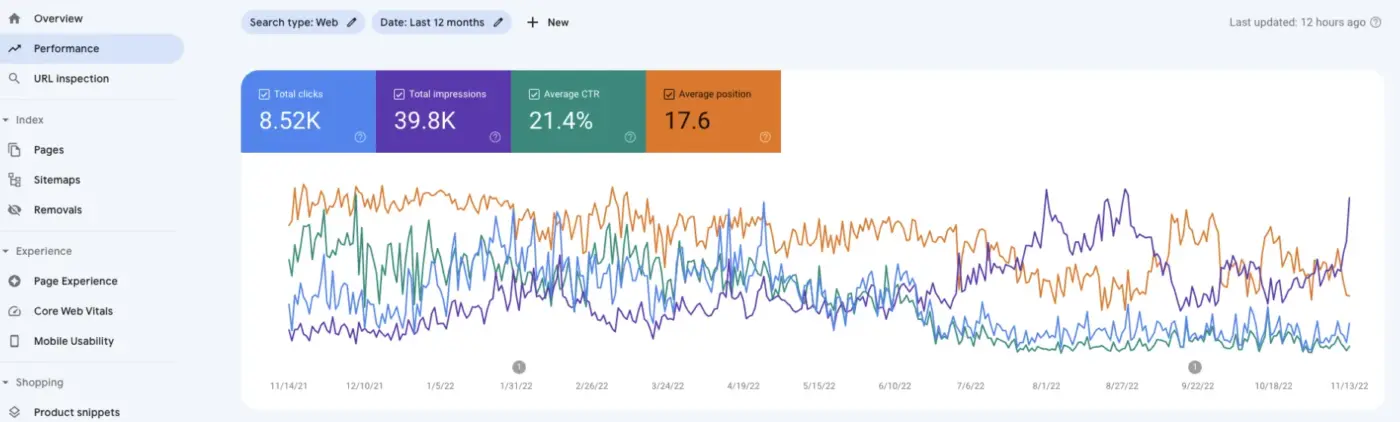
- Monitor and iterate: Track CTRs and rankings in Google Search Console. Adjust titles/descriptions for pages with low CTR but strong impressions. For WordPress meta tags, plugins make adding and updating metadata and schema easy.
Metadata and AI Answers

Search results formats are changing fast, yes. Featured snippets, knowledge panels, and AI-generated answer boxes—all these aren’t just shiny new things. They’re here to stay.
With that said, metadata is still the backbone of how search engines understand, categorize, and show your content to people.
And in fact, it’s websites’ metadata that search engines evaluate when choosing which pages to show for featured snippets or summarized answers.
At the moment, it seems that AI models prefer readable pages that provide a great page experience.
Webpages with skimmable page design, like FAQ, How-Tos, or guides, are preferred. If these types of pages rank highly, it’s usually because they provide context clues and clearly define data with labels while improving understanding of topics through images and video.
Balancing Automation and Craft
If you have a larger site with hundreds, if not thousands, of webpages, then you’re likely using automation to create metadata for all your pages.
Yes, that’s efficient. But these templated descriptions can sometimes seem incredibly generic and blend in with others, hurting CTR in the long run.
The best approach, as it has been in this AI boom over the last few years, is combining automation with human oversight. In fact, you might even want to go with full manual crafting for your top pages.
Final Thoughts
Metadata alone won’t help outrank a superior product or a poorly built site on its own. What it does do, however, is serve as the starting point for SEO and amplify everything you do right.
Investing in metadata—in the very fundamentals of SEO—is always worthwhile for the long-term performance of a site.
Found this article helpful? Check out our on-page SEO checklist for a complete on-page SEO guide.