
It is easy to get people to click on your affiliate links. It is not that easy to get the right people to click on those links to convert, though. You can have the best-looking store, the most popular products, and the most competitive offers, but without traffic, your commissions will be stuck at zero.
This is the same problem you face when you try to figure out how to drive traffic to your WooCommerce affiliate links on the WooCommerce store in a competitive market. Random visitors won’t convert, paid ads can become pricey, and reaching people through social media seems like hitting a moving target.
Frustrating? Yes, it is!
The key to the solution is not guessing but using a tried and tested multi-channel traffic strategy that leverages SEO, Content Marketing, Email Marketing, and Trust-Fuelled Promotion.
In this guide, you will learn how to send traffic to your affiliate links on your WooCommerce store step by step and build your store into an affiliate money-maker that generates sales on autopilot using safe methods.
What Are Affiliate Links?
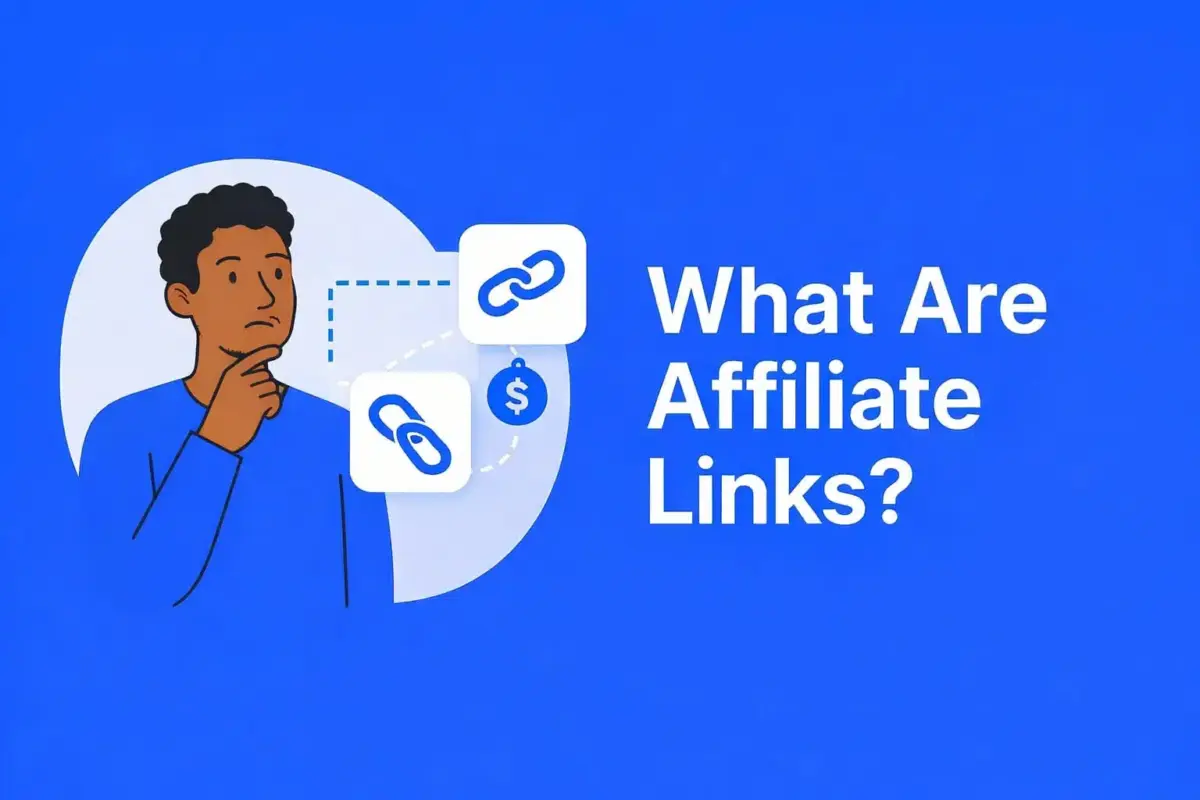
Affiliate links are unique tracking URLs that come with an affiliate program, which help the merchant know the origin of the sale or lead that came from the affiliate program. When someone clicks on the affiliate link you provided and makes a purchase, you get paid commissions.
Simply put, these links serve as a bridge between your WooCommerce shop and the vendor’s site, thus ensuring you receive due credit every time you successfully refer someone.
How Affiliate Links Work in WooCommerce?
WooCommerce provides easy affiliate marketing services using External/Affiliate Products. Here, instead of being directed to add a product to the cart, a user will be redirected to a third-party website using your referral link.
Here’s how the process works step by step:
- You create an External/Affiliate Product in WooCommerce
- Enter your affiliate tracking URL
- A visitor clicks the “Buy Now” or “View Product” button
- The visitor lands on the merchant’s website
- If they purchase, you earn a commission
Even though WooCommerce natively supports External/Affiliate Products, once you start managing hundreds or thousands of affiliate links, the ease of use will quickly dissipate.
To manage outbound links as your store continues to expand, you need greater control over them, more consistency in CTAs, improved tracking and better user experience. A dedicated WooCommerce affiliate plugin will help fulfil these needs. This is primarily true if the aim of the traffic generated by an affiliate link is to convert customers instead of simply leading them astray.
This is a perfect setup for content-based eCommerce sites that highlight how to drive traffic to your WooCommerce affiliate links without having to handle the inventory and fulfillment process.
Common Examples of Affiliate Links
Affiliate links have been widely incorporated in various types of WooCommerce sites, including:
- Product review blogs (for instance, “Best WooCommerce Plugins”)
- Comparison pages (Tool A vs Tool B)
- Sites selling niche affiliate stores (tech, fitness, software, home goods)
- Resource pages suggesting tools or services
For instance, on a site based on WooCommerce that is promoting services such as email marketing, affiliate links could be included that direct visitors to ConvertKit and/or MailerLite.
Why Affiliate Links Require Traffic to Succeed?
Affiliate links are not self-earning. Their success depends entirely on:
- Targeted traffic
- User intent
- Trust and authority
This is why knowing how to drive traffic to your WooCommerce affiliate links is much more relevant than adding links to your store. This is considering that without visibility and engagement, the highest-paid affiliate deal won’t be converted.
Importance of Driving Traffic to Affiliate Links
Traffic driving is the key to affiliate marketing success. Without a continuous stream of relevant and engaged website visitors, even the best affiliate market offers will not bring results. Understanding how to drive traffic to your WooCommerce affiliate links helps you turn visibility into clicks, click-throughs into conversions, and conversions into passive income.
- Affiliate Links Don’t Work Without Visitors: Since affiliate links only result in commissions when clicked by visitors, a lack of traffic will lead to a lack of clicks, and a lack of clicks will mean a lack of revenue, irrespective of how wonderful the product is.
- Qualified Traffic Boosts the Conversion Rate: People who come to the site with the purchase in mind will convert more. It is important to learn how to send traffic to the WooCommerce affiliate links to make sure people who come to the site are those who need the solution.
- Increased Traffic Establishes Trust and Authority: Relevant and consistent traffic is an authority builder. Users begin to trust your referrals if they continue to visit and engage with your content.
- Search Engines Reward Traffic-Driven Engagement: The more traffic your content receives, the better your engagement metrics will be in terms of time on page and click-through rates. All these factors will help Google’s E-E-A-T model and result in greater visibility.
- More Traffic Helps Optimize Decisions Based on Data: The greater the traffic generated, the more useful the statistics to work with.
There is the option to determine which links are the best-converting for your affiliate marketing program and use the visitor - Using Multiple Traffic Sources is Safer: Using only one method is hazardous. Using SEO, emails, and social media will make it safe and sound by providing solid momentum to the affiliate marketing setup on WooCommerce.
- Traffic Turns Content into a Revenue-Generating Asset: For content to be profitable, it would be ideal if it attracts viewers. A well-structured traffic strategy will turn a WooCommerce site into a profitable affiliate income generator.
How to Drive Traffic to Your WooCommerce Affiliate Links
The fact of the matter is, driving traffic to your affiliate links isn’t a function of a singular strategy and instead, the best and most effective means of doing so involves integrating search engine optimization, trust, and marketing efforts in a way that gives you access to high-intent traffic.
The following are the most effective means of helping you learn how to drive traffic to your WooCommerce affiliate links.
1. Optimize Product Description and Title

Your product pages are usually the first touchpoints that users will encounter when it comes to affiliate links. Poor product pages will mean low click-throughs and conversions.
How to Optimize Affiliate Product Pages in WooCommerce
- Create descriptive and targeted product titles using keywords.
- Describe items in original words instead of plagiarizing descriptions by the merchants.
- Emphasize the benefit, not the feature.
- Add comparison tables, pros and cons, and use cases.
- Include a strong call-to-action (CTA).
Example
Instead of:
“Email Marketing Tool”
Use:
“Best Email Marketing Tool for WooCommerce Stores (Detailed Review)”
Optimized product pages improve:
- Organic visibility
- Click-through rates
- User trust
This is one of the basic steps in learning how to drive traffic to your WooCommerce affiliate links effectively.
2. Produce Quality Content
Content is the driving force behind long-term affiliate traffic.
Search engines and users will favor information that shows experience, depth, and usefulness.
Content Types That Drive Affiliate Traffic
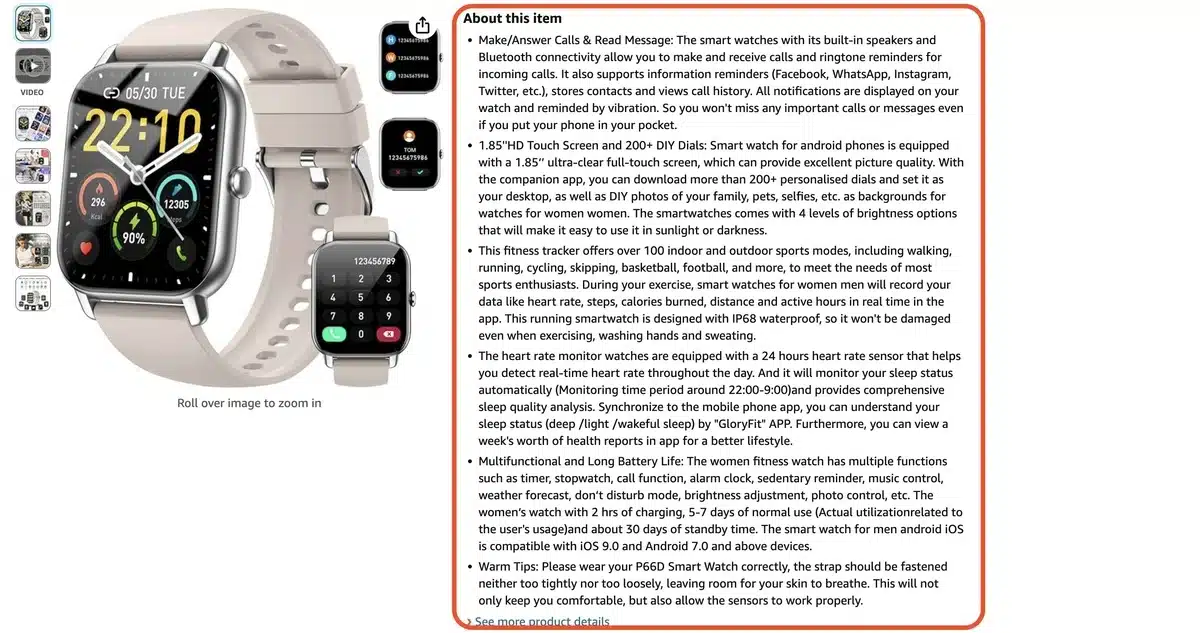
- In-depth product description
- Comparison posts (Tool A vs Tool B)
- “Best X for Y” listicles
- Step-by-step tutorials and how-to guides
- Case studies and personal experiments
Why Content Works
- Answers real user questions
- Targets long-tail keywords
- Establishes topic expertise
- Earns Backlinks Naturally
According to HubSpot, companies that blog regularly end up with 55% more web traffic than those that do not blog.
Quality content is the key if you want to master how to drive traffic to your WooCommerce affiliate links through organic search.
3. Use Email Marketing
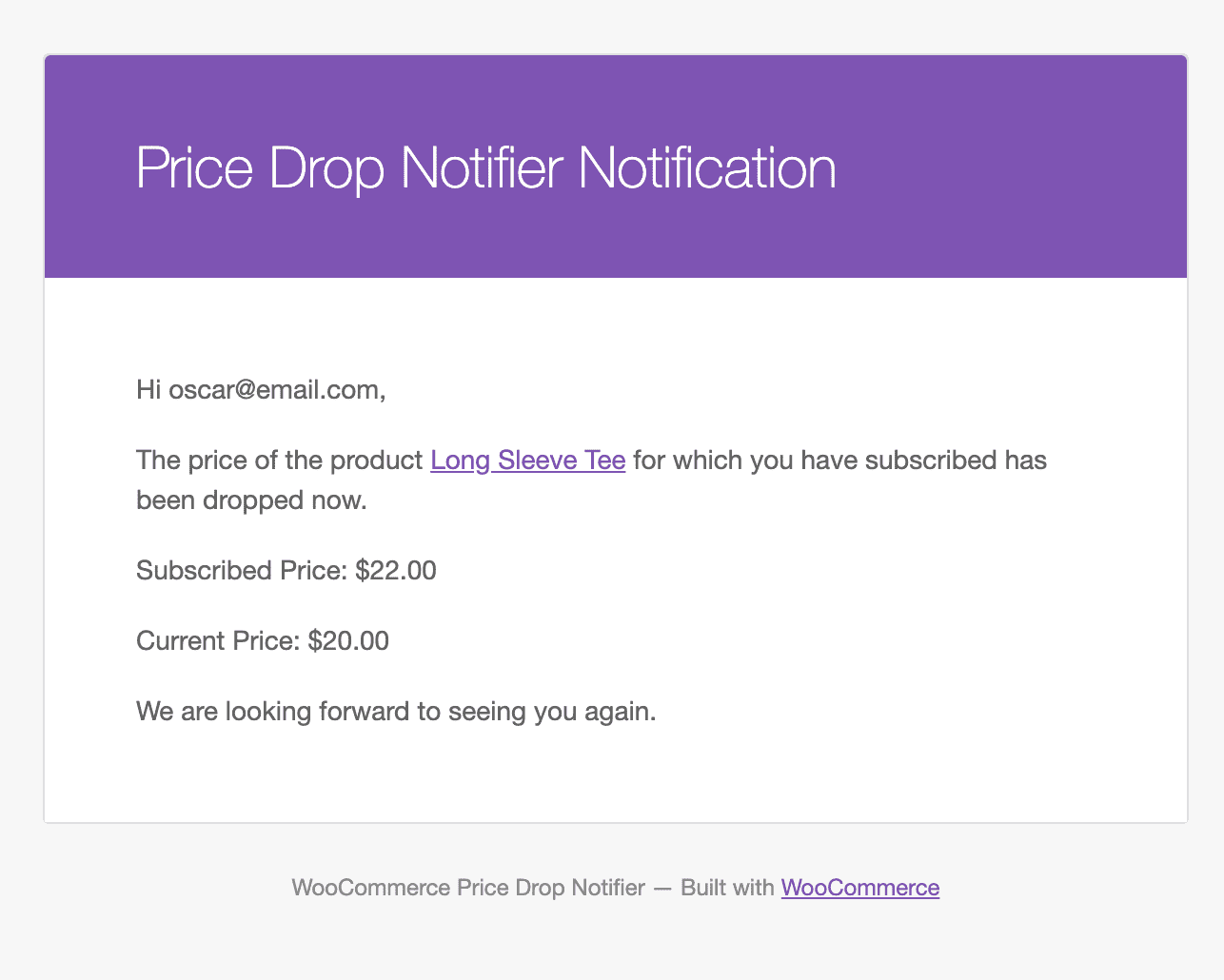
With email marketing, you have direct access to your audience. This means that you are not subjected to algorithms and that there
How Email Helps Affiliate Traffic
- Increases traffic to affiliate sites
- Establishes trust before promoting links
- Boosts the customer lifetime value per user
Affiliate Email Marketing: Best Practices
- Provide a worthwhile lead magnet resource (guide, checklist, template)
- Divide subscribers into groups based on interest
- Share education content before promotions
- Soft-sell affiliate products as solutions
Example: “Here is the exact tool that I use to automate WooCommerce emails and why it works.”
Email marketing is one of the significant factors involved in promoting traffic on your WooCommerce affiliate links.
4. Harness the Power of SEO
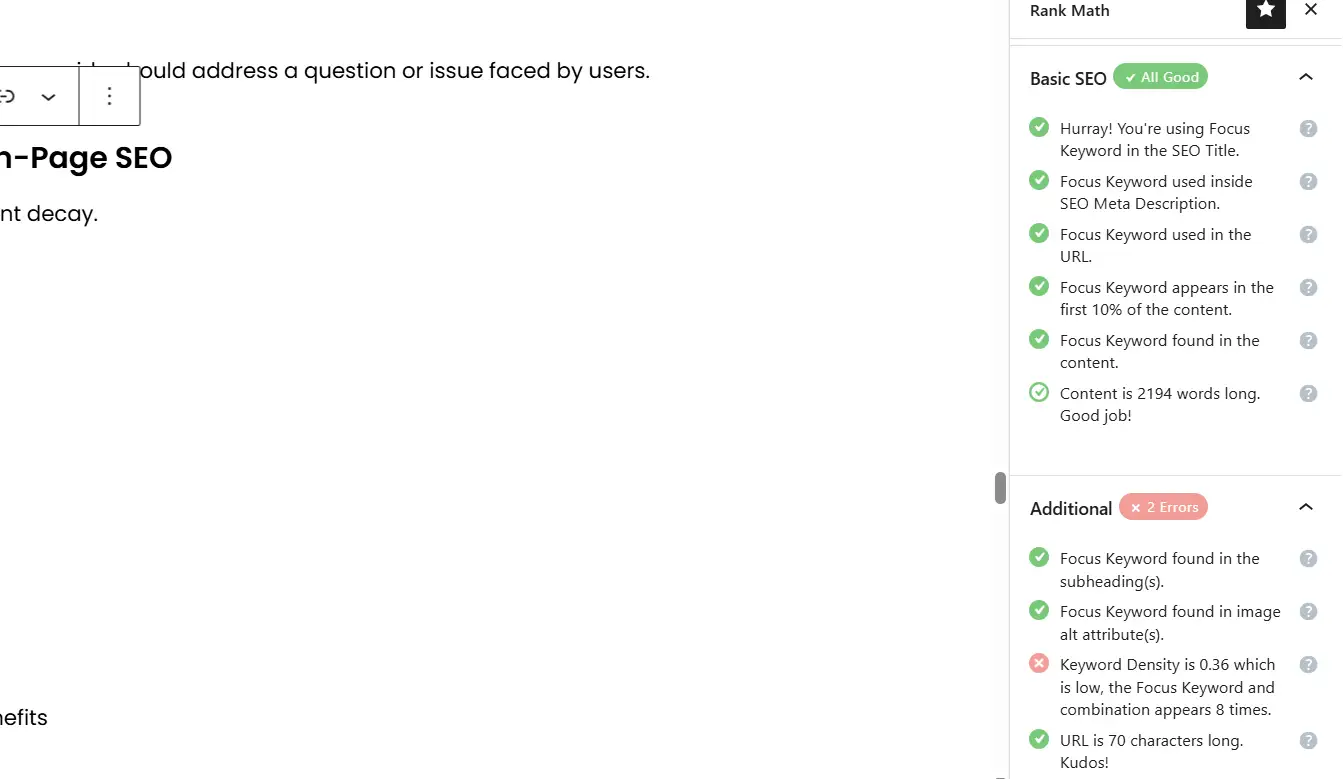
The most scalable and sustainable source of traffic for affiliate marketers is SEO.
When performed correctly, SEO can bring free and high-intent traffic to your WooCommerce affiliate link for years to come.
Key SEO Tactics to Focus On
- Target long-tail, buyer-intent keywords
- Optimize H1, H2s, meta titles, and descriptions
- Include internal linking between related content
- Enhance page speed and mobile experience
- Implement FAQ Schema for Rich Results
Google’s SEO starter guide emphasizes creating helpful, people-first content, especially for affiliate sites.
Strong SEO is non-negotiable when learning how to drive traffic to your WooCommerce affiliate links.
5. Share on Social Media
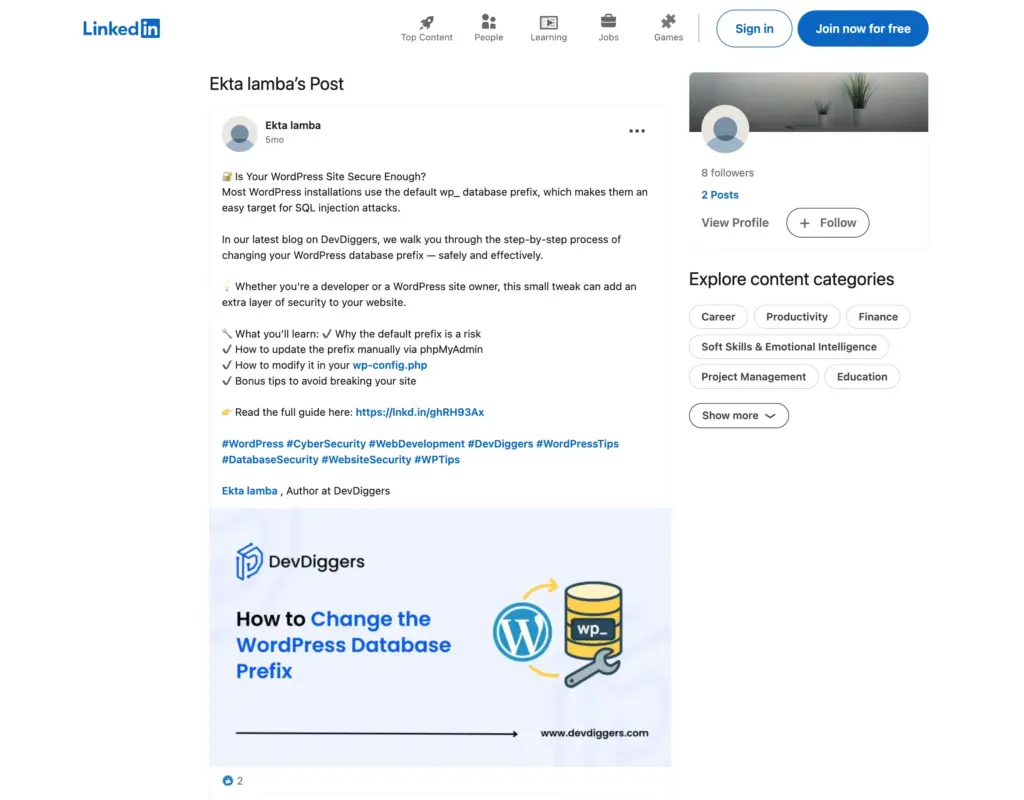
Social media assists with increasing your content and attracting engaged, niche audiences.
Best Platforms for Affiliate Promotion
- Pinterest: perfect for evergreen affiliate posts
- Facebook: high trust, discussion-based
- X (Twitter): niche authority and rapid engagement
- LinkedIn: perfect for Saas and B2B affiliate links
Social Promotion Tips
- Share insights, not just links
- Turn blog content into short posts
- Use images and video clips
- Participate in comments and discussions
The effectiveness of social media is achieved by integrating it with SEO and content marketing practices.
6. Offer Incentives and Discounts
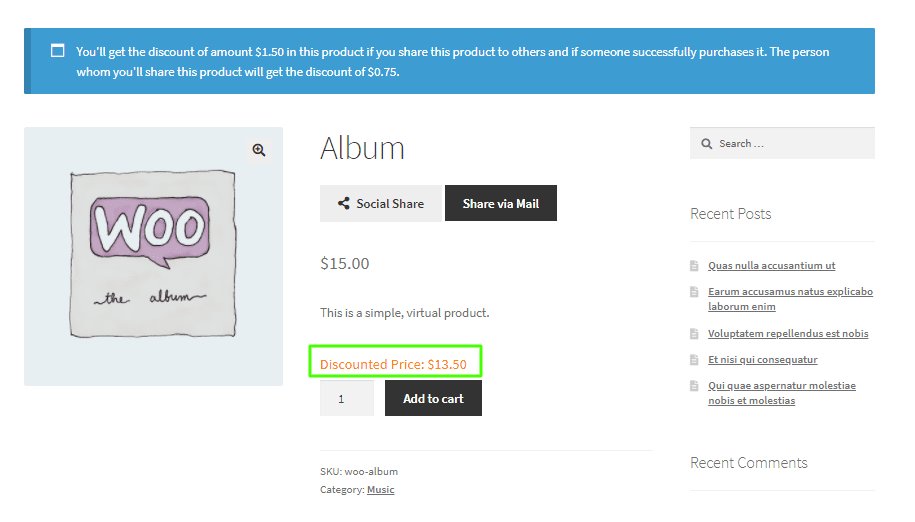
Incentives ensure people click on your link to join. Incentives give people a reason to choose your affiliate link instead of others.
Incentive Ideas That Increase Clicks
- Exclusive discounts
- Additional bonus guides or templates
- Free consultations
- Private resources or checklists
Example: “Use my affiliate link and get my WooCommerce SEO checklist for free.”
It works well as it increases the click-through rate as well as conversions significantly.
7. Collaborate with Influencers

Collaborating with influencers will enable you to use existing, trusted audiences.
How to Use Influencer Marketing Effectively
- Collaborate with micro-influencers in your niche
- Write guest posts on authority blogs
- Appear on podcasts or YouTube channels
- Co-create content or reviews
Micro-influencers will typically provide higher engagement with their content in relation to their following in comparison to larger pages, and
8. Monitor and Analyze Performance

Performance measurement is necessary for long-term achievement. You need data to understand what’s working and what’s not.
Metrics to Track
- Affiliate link clicks
- Conversion rates
- Traffic sources
- Best-performing pages
- User behavior (bounce rate, time on page)
Tools to Use
Data-driven decisions enable you to refine with each attempt how to drive traffic to your WooCommerce affiliate links.
Final Thoughts
Driving traffic is not a secondary process within affiliate marketing—it is the process itself. You may market the best possible products with the highest payouts, but if you’re not seen or trusted or receive intent-driven visitors, you’ll always come up short.
At this point, you should have a good idea of how to drive traffic to your WooCommerce affiliate links by following a well-balanced method of using search engine optimization, content marketing, and email outreach marketing to expose your links to as many people as possible.
The most profitable WooCommerce affiliate websites don’t use any loopholes. They simply provide value and point visitors in the right direction.
Consistency is key. Optimize product pages, create quality content consistently, and then optimize what works and what doesn’t by monitoring it. These will compound and effectively turn a WooCommerce site into a solid affiliate income earner instead of a testing ground.
Start with one or two strategies from this guide, implement them well, and expand from there. Traffic will follow clarity, and commissions will follow trust.
Frequently Asked Questions (FAQs)
Q1. What methods can I use to drive traffic to my affiliate links on a WooCommerce site?
For attracting traffic to the website, one should emphasize search engine optimization, content development, email marketing, social media marketing, and influencer marketing.
Q2. How can WooCommerce product pages be optimized for the best results?
Use descriptive and benefits-focused product names, create original product descriptions, and use trust factors such as reviews and ratings.
Q3. Is email marketing a way of generating traffic to affiliate links?
Indeed, email marketing enables you to reach out to your audience directly and persuade them to click on your affiliate links using valuable content.
Q4. How important is SEO to affiliate marketing in terms of driving traffic to affiliate links?
SEO is extremely important to optimize the search result rank of your articles and attract high-ranking visitors to your affiliate pages.
Q5. Are paid advertisements necessary for promoting affiliate links?
Even with paid advertising, for example, in the short term, it may be better to concentrate on other areas, such as SEO and content.