


The best WordPress comment plugins fix one job each: a richer comment section, less spam, faster pages or no comments at all. Pick the job first, because no single plugin does all four well.
I tested the free plugins in this list in October 2026 on WordPress 7.1.3 with Twenty Twenty-Five. I installed each one on the same post with five comments, measured the page weight and checked every version, install count and rating on WordPress.org.
This guide starts with what WordPress already does without a plugin. Then it reviews 10 plugins with their features, pricing and best use, and ends with a comparison table.
Do You Need a Comment Plugin in WordPress?
Many sites do not need one, because WordPress comments already handle threaded replies, moderation, spam rules and email alerts. You need a plugin when you want features core lacks, such as voting, comment editing, live updates or strong spam filtering. Start with the built-in settings and add plugins only for gaps.
The core settings live under Settings, then Discussion, and the Discussion settings documentation explains each option. They control who can comment, when comments close, how deep replies nest and which comments wait for approval.
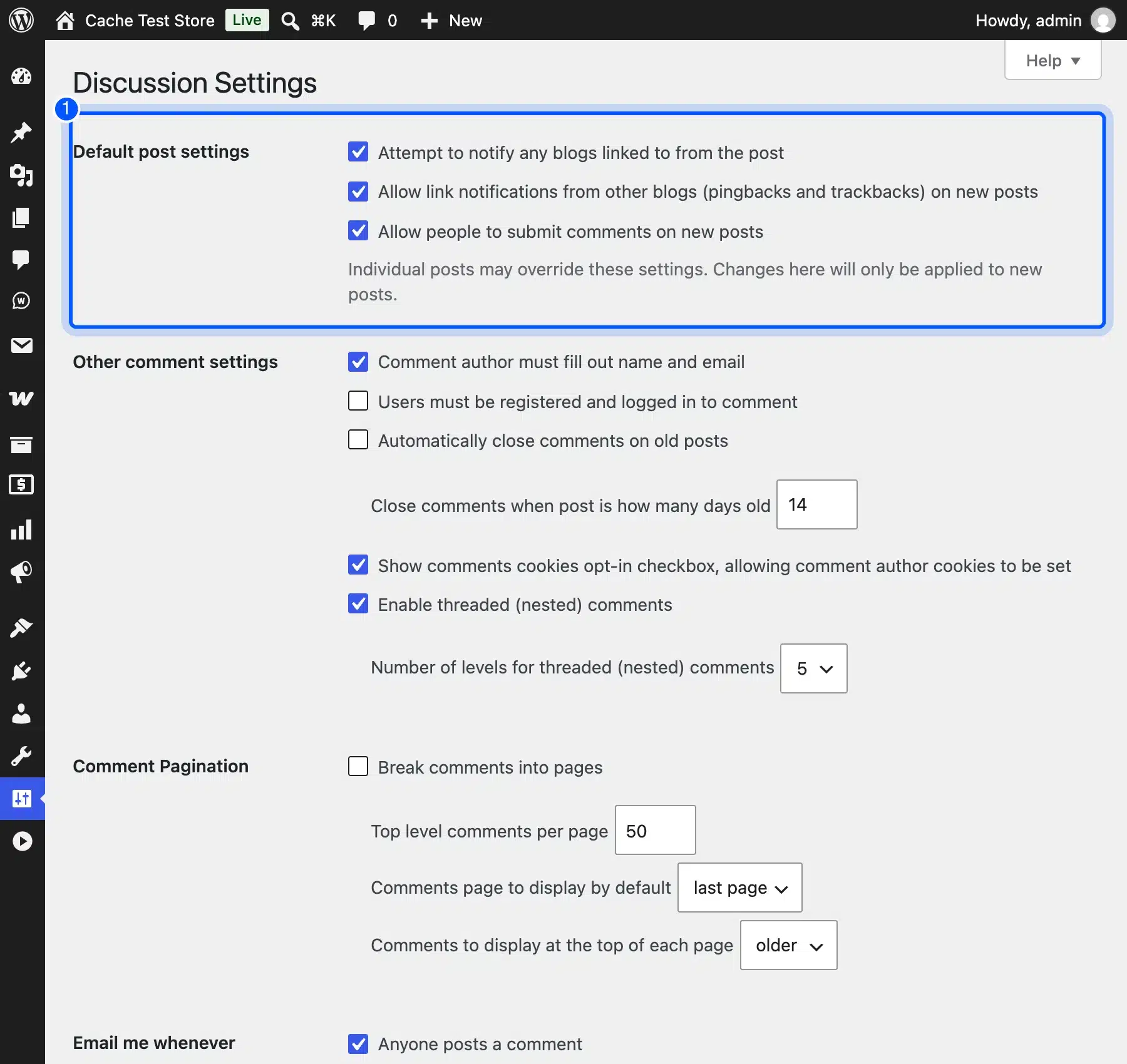
Core can thread replies up to 10 levels deep, close comments on old posts and hold comments with too many links. It also shows a cookie consent checkbox, which helps with privacy rules.
Core lacks voting, sorting by popularity, editing by the commenter, social login and lazy loading. Its spam protection is limited to keyword and link rules, so most sites add at least an anti-spam plugin.
Best WordPress Comment Plugins Compared
The best WordPress comment plugins for most sites are wpDiscuz for a richer comment section and Antispam Bee or Akismet for spam. Add Comment Edit Core when readers need to fix typos. Use Disable Comments when you want no comments at all.
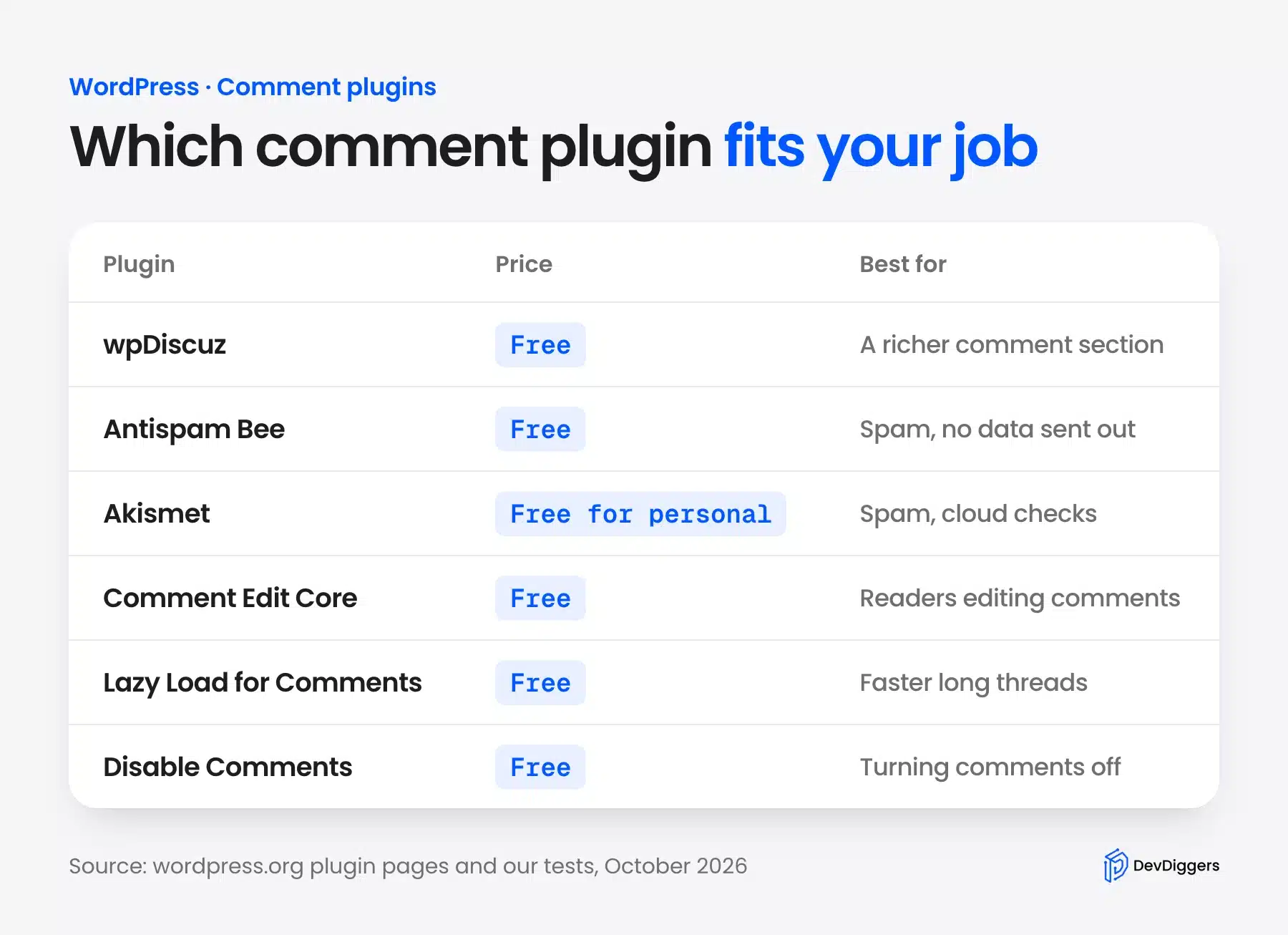
| Plugin | Version | Active installs | Rating | Price |
|---|---|---|---|---|
| wpDiscuz | 7.6.72 | 60,000+ | 4.7 (580 reviews) | Free, paid add-ons |
| Jetpack | 16.3 | 3+ million | 3.7 (2,407 reviews) | Comments free |
| Akismet | 5.7.2 | 5+ million | 4.7 (1,186 reviews) | Free for personal sites |
| Antispam Bee | 2.11.13 | 700,000+ | 4.8 (226 reviews) | Free |
| Comment Edit Core | 3.4.0 | 2,000+ | 4.8 (55 reviews) | Free, Pro version |
| Lazy Load for Comments | 2.1.0 | 2,000+ | 4.7 (28 reviews) | Free |
| Disqus | 3.1.5 | 30,000+ | 2.7 (219 reviews) | Free with ads, paid plans |
| Thrive Comments | Not on WordPress.org | n/a | n/a | Paid, in Thrive Suite |
| GraphComment | 5.1.0 | 400+ | 4.7 (30 reviews) | Free tier, paid plans |
| Disable Comments | 2.9.0 | 1+ million | 4.7 (281 reviews) | Free |
All figures come from each plugin’s WordPress.org page, read on October 9, 2026. Install counts and ratings change, so check the page before you install.
10 Best WordPress Comments Plugins Reviewed
Each review of the best comment plugins for WordPress below lists the key features, the pricing and the site it fits best. The order follows the jobs, from comment sections to spam, editing, speed and removal. Pick one plugin per job, because two comment systems fight over one template.
1. wpDiscuz
wpDiscuz replaces the default comment section with a modern one. It keeps comments in your own WordPress database, so you can switch it off and keep every comment.
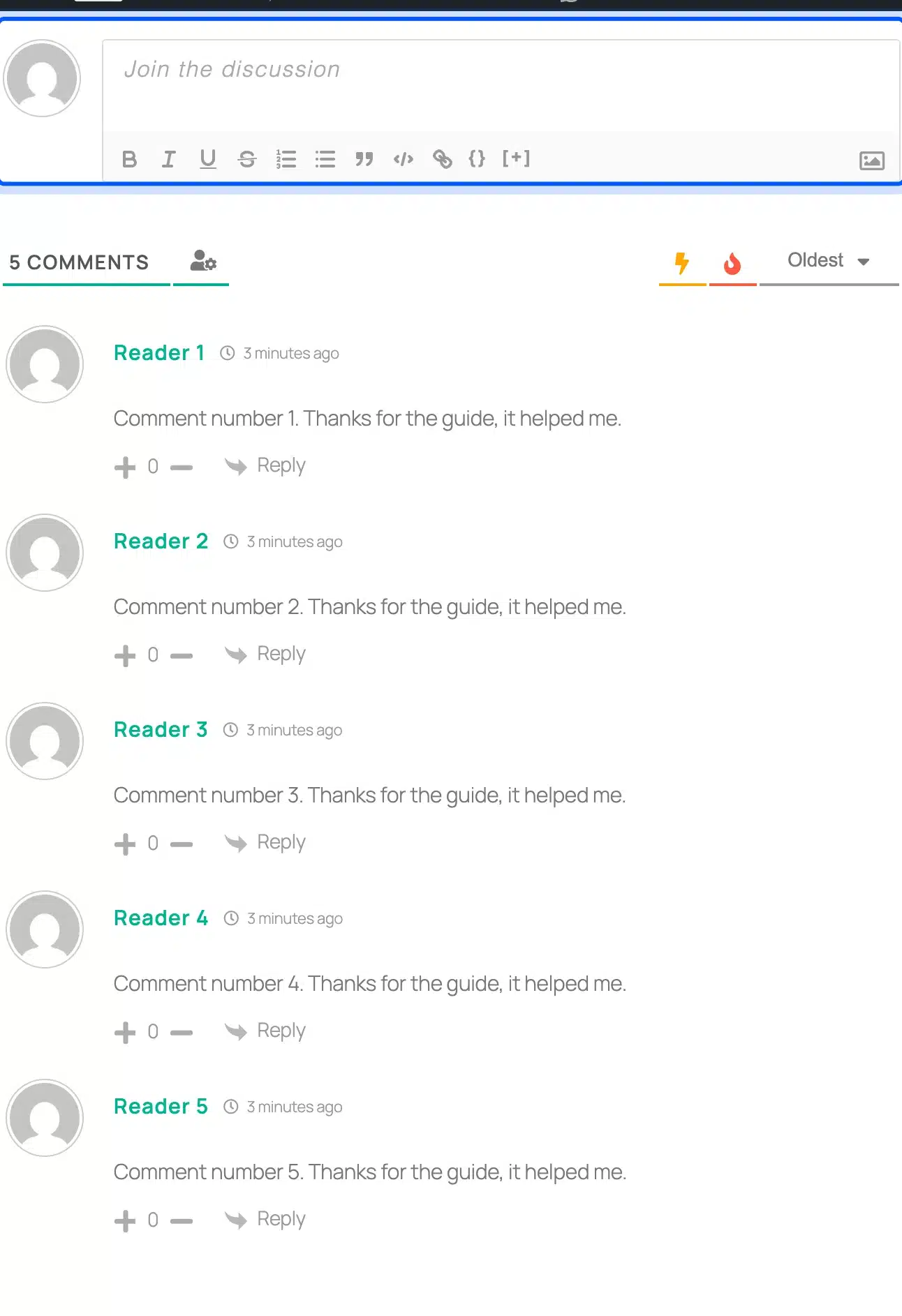
- Key features: Live updates, comment voting, sorting by newest or most reacted, inline comments, a rich text editor and subscriptions.
- Pricing: The plugin is free. Add-ons for media uploads, front-end moderation and private comments are paid.
- Best for: Blogs with active discussions that want engagement features without a third-party service.
My test found two things to know. On a block theme, wpDiscuz showed nothing on the front end until I opened its admin page, which asks you to run a setup wizard. After that it replaced the comment section on Twenty Twenty-Five.
It is also heavy. On the same post with five comments, wpDiscuz added 7 requests and 311 KB of JavaScript. It also added 162 KB of CSS and 109 KB of fonts, measured uncompressed.

That cost is worth it on a post where readers talk a lot. On a site with a few comments a month, core comments load far less.
2. Jetpack Comments
Jetpack Comments is a module of the Jetpack plugin. It lets visitors comment with a WordPress.com account, which saves them typing a name and email each time.
- Key features: Social login through WordPress.com, comment likes and email subscriptions to new comments.
- Pricing: The Comments module is free. Jetpack’s paid plans cover other features such as backups and security.
- Best for: Sites that already run Jetpack and want easier sign-in for commenters.
Jetpack is a large plugin with many modules, and it needs a WordPress.com connection. Its 3.7 rating on WordPress.org is the lowest of the big names in this list, mostly from reviews about the plugin as a whole.
3. Akismet
Akismet is the best known anti-spam service for WordPress, with more than 5 million active installs. It sends each new comment to Akismet’s servers, which compare it with spam seen across the web.
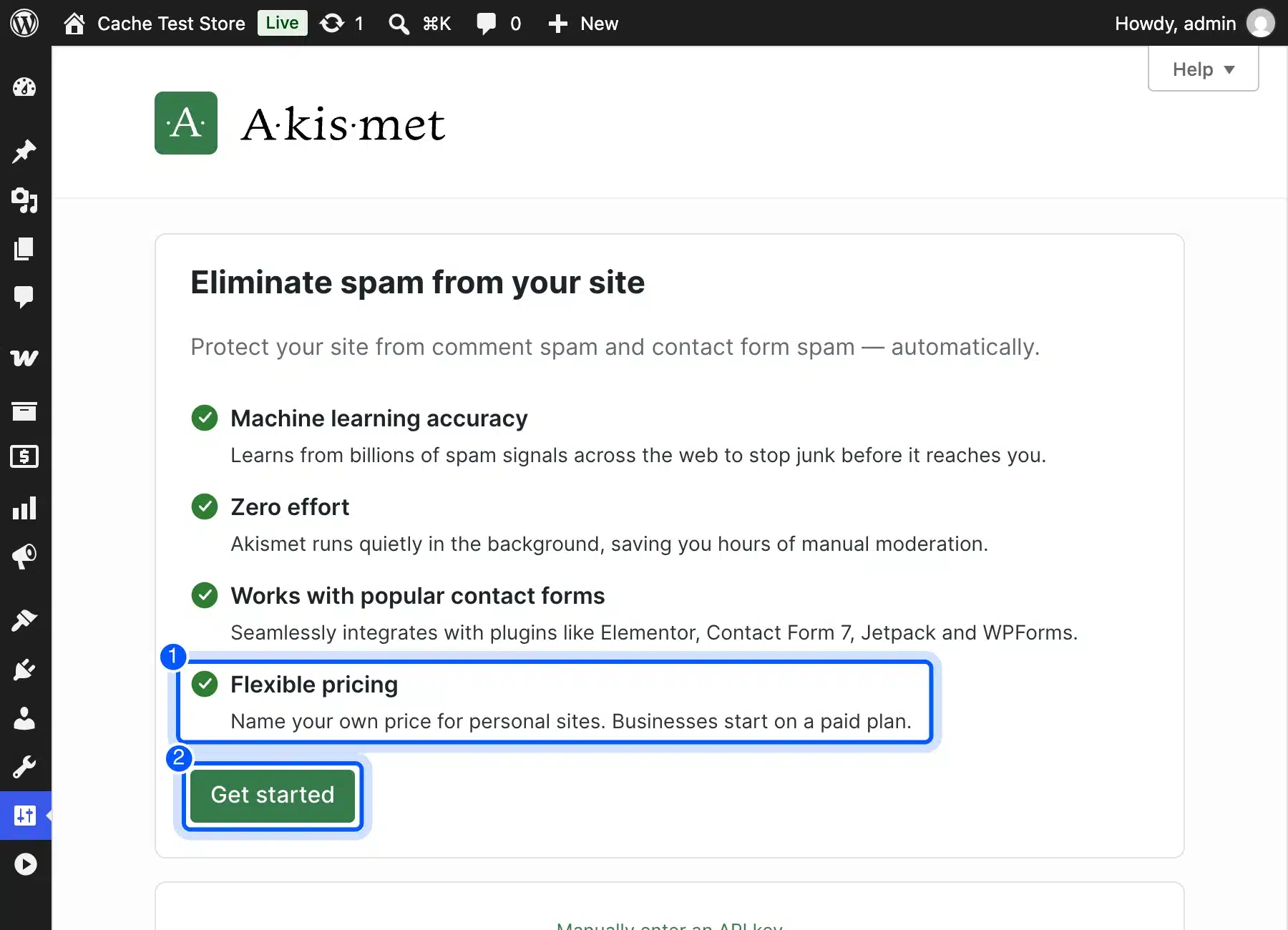
- Key features: Automatic spam checks on comments and many contact forms, a spam history for each comment and a status in the comments list.
- Pricing: The setup screen says personal sites name their own price and businesses start on a paid plan.
- Best for: Sites that get a lot of spam and are happy to send comment data to a third-party service.
That data transfer is the main downside. If you serve visitors in the EU, list Akismet in your privacy policy, because it processes commenter details outside your site.
4. Antispam Bee
Antispam Bee blocks spam without sending comments to an outside service. It runs its checks on your own server, which makes it a strong choice for privacy-focused sites.
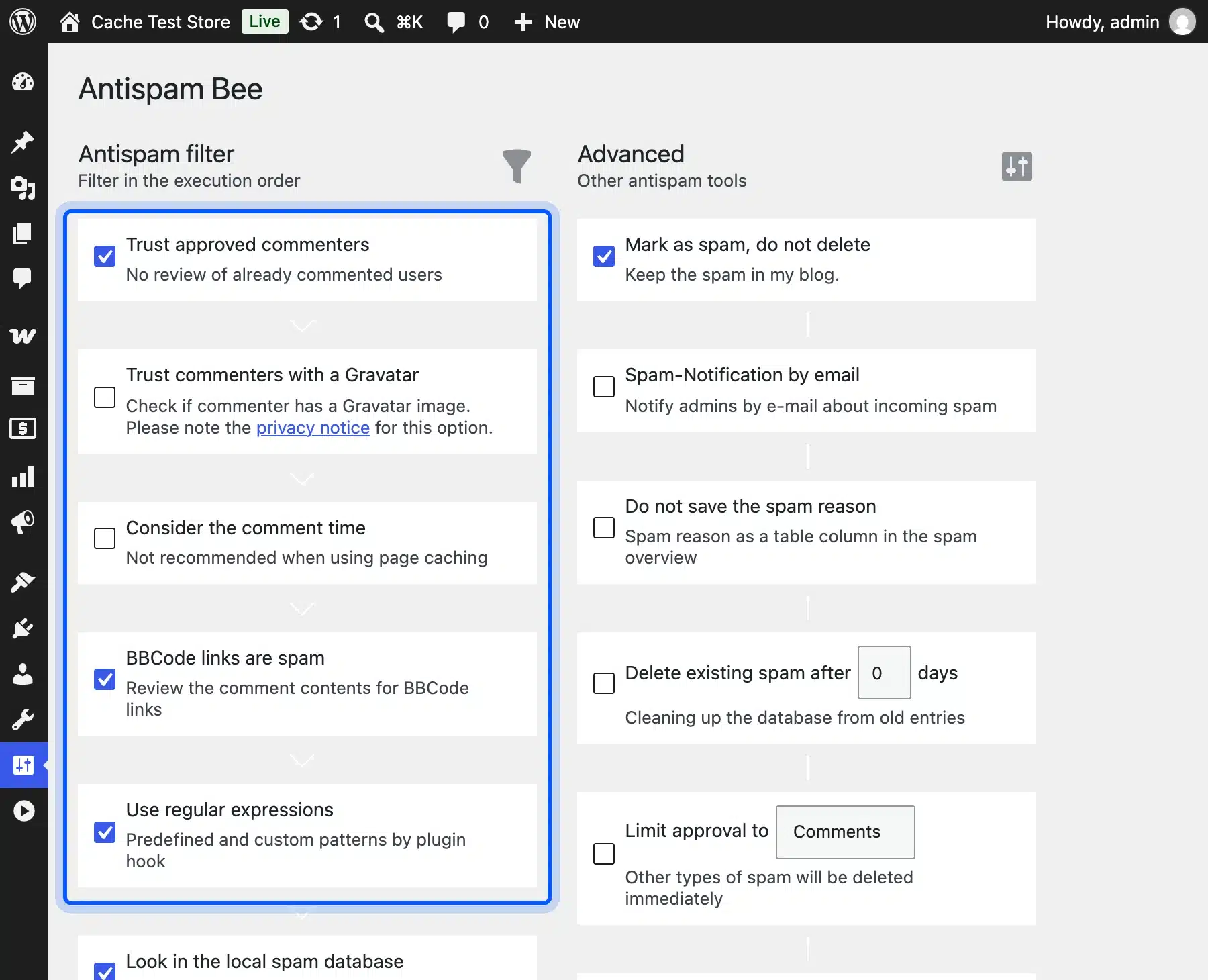
- Key features: Trust approved commenters, BBCode link checks, a local spam database, country and language rules and automatic deletion of old spam.
- Pricing: Free. There is no paid version.
- Best for: Sites that want solid spam protection without a third-party data processor.
It has 700,000+ active installs and a 4.8 rating on its WordPress.org plugin page. Its filters are listed in the order they run, so you can see which rule caught each comment.
5. Comment Edit Core
Comment Edit Core, formerly Simple Comment Editing, gives commenters a short window to edit or delete their own comment. That fixes the typo someone notices right after clicking Post.
- Key features: A timed edit and delete window for commenters. They need no account.
- Pricing: The core plugin is free. A Pro version adds more control, sold on the developer’s site.
- Best for: Any blog where readers post code, links or long comments that often need a quick fix.
The plugin has 2,000+ installs, a 4.8 rating and was tested up to WordPress 7.1.3 at the time of writing.
6. Lazy Load for Comments
Lazy Load for Comments delays loading the comment section until a visitor scrolls down to it. Comments and their Gravatar images then stop slowing the first paint of the post.
- Key features: Loads comments on scroll or on a button click, which also delays the Gravatar requests.
- Pricing: Free.
- Best for: Popular posts with long comment threads, where avatars add many image requests.
In my test the plugin itself added 3 requests and about 2 KB of JavaScript. On a post with only five comments that saves little, while a post with hundreds of avatars gains much more.
7. Disqus
Disqus hosts your comments on its own servers and loads them into your page with JavaScript. It brings a large community and a single account for commenters across many sites.
- Key features: Hosted comments, moderation tools, social login and comment syncing back to WordPress.
- Pricing: A free plan shows ads in your comment section. Paid plans remove ads and are priced on Disqus’s site.
- Best for: Publishers who want a hosted system and accept ads or a monthly fee.
The plugin page shows a 2.7 rating from 219 reviews and was last tested with WordPress 6.9.10. Because comments live on Disqus, your site depends on its scripts, and visitors with blockers may see no comments at all.
8. Thrive Comments
Thrive Comments is a paid plugin from Thrive Themes that focuses on turning commenters into subscribers. It is not on WordPress.org.
- Key features: Badges, upvotes, featured comments and actions after a comment, such as showing an offer or a share prompt.
- Pricing: It comes in Thrive Suite, priced from $299 a year at the introductory rate in October 2026.
- Best for: Marketers who already use Thrive tools and want comments tied to their funnels.
9. GraphComment
GraphComment is a hosted comment service with threads, notifications and a public profile for commenters. Like Disqus, it stores comments outside your site.
- Key features: Real-time threads, voting, notifications and a moderation dashboard.
- Pricing: Its WordPress.org page lists a free tier and paid Starter and Pro plans.
- Best for: Sites that want a hosted system and prefer an alternative to Disqus.
It has 400+ active installs, so check that the service fits your volume before moving all your comments to it.
10. Disable Comments
Disable Comments switches comments off everywhere or on chosen post types. It also hides the comment menus and widgets, which plain Discussion settings leave behind.
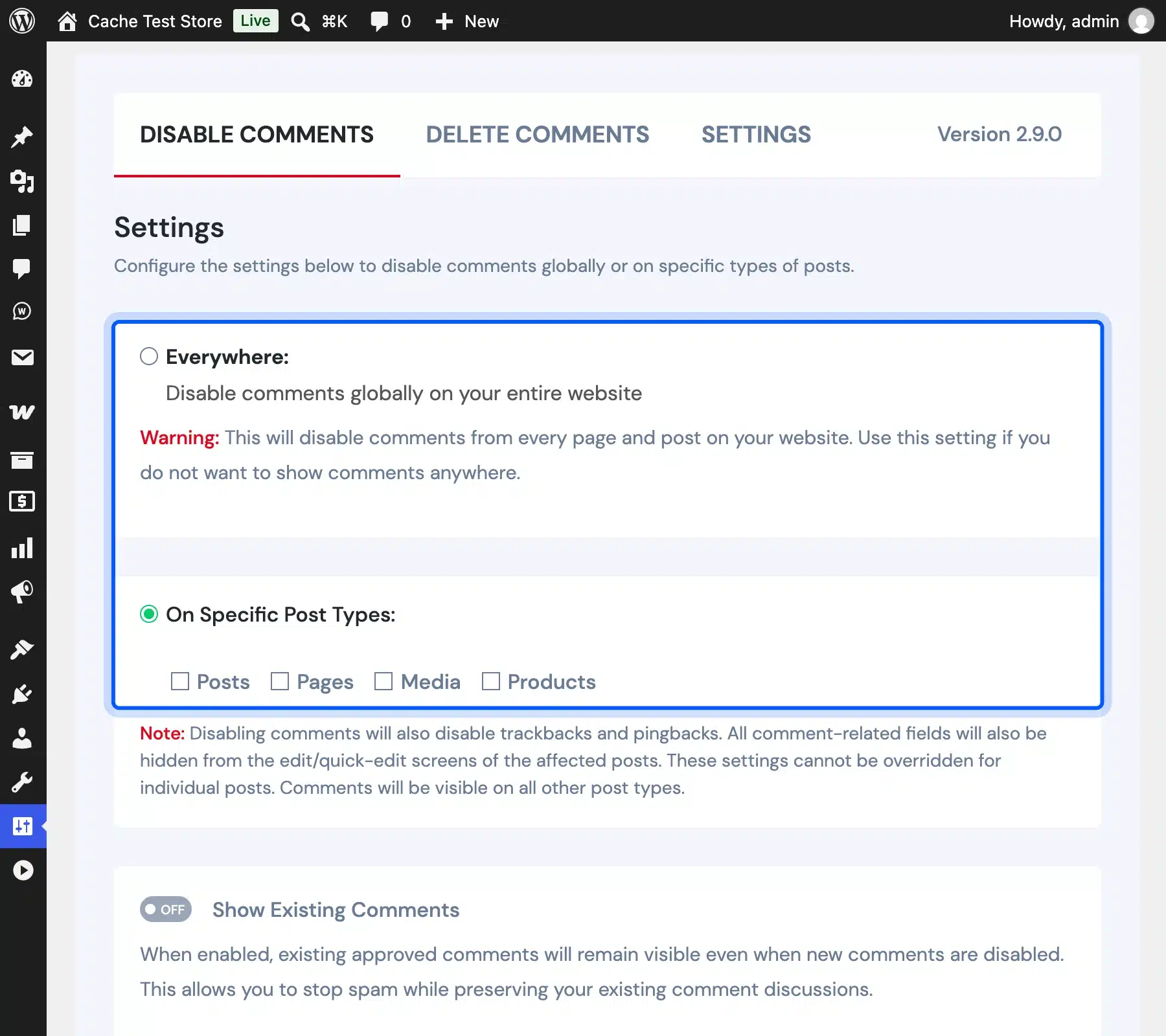
- Key features: Disable comments everywhere or per post type, remove comment menus and delete existing comments in bulk.
- Pricing: Free.
- Best for: Business sites, stores and landing pages where comments only attract spam.
It has more than 1 million active installs and a 4.7 rating, and it was tested up to WordPress 7.0.7.
How to Choose the Right WordPress Comment Plugin
Choose by the problem you want to solve and by where the comment data lives. Self-hosted plugins keep comments in your database, while hosted services store them elsewhere. Then check the page weight, the privacy impact and how recently the plugin was updated.
- Data ownership: Self-hosted plugins such as wpDiscuz, Antispam Bee and Comment Edit Core keep everything on your site. Disqus and GraphComment store comments on their servers.
- Speed: Measure the post before and after. My wpDiscuz test added about 580 KB of uncompressed files.
- Privacy: Any service that receives commenter details belongs in your privacy policy.
- Maintenance: Prefer plugins tested with the current WordPress version and updated in the last few months.
- Theme support: Block themes render comments with the Comments block, so test the plugin on your own theme.
Comments are one way to talk with visitors, and live chat is another. Our roundup of WordPress chatbot plugins covers tools that answer questions in real time.
How to Install a Comment Plugin Safely
Install comment plugins on a staging copy first, test a real comment and then move to the live site. Comment plugins change templates, scripts and stored data, so a quick test catches conflicts. Keep a backup, because some plugins import or convert existing comments.
Follow these steps:
- Back up the database, which holds every comment.
- Install the plugin from Plugins, then Add Plugin, and activate it.
- Open its settings page once, because some plugins finish setup there.
- Post a test comment while logged out and check it appears for moderation.
- Check the page weight and the layout on a phone.
If a plugin breaks the comment area, the theme’s comment template is the usual cause. Classic themes load comments.php through the template hierarchy, which our guide on index.php in WordPress explains.
A WordPress care plan usually includes this kind of plugin testing, so updates never take your comments down.
How to Stop Comment Spam in WordPress
Stop comment spam with one anti-spam plugin plus the core moderation settings. Use Antispam Bee if you want checks on your own server, or Akismet for a cloud service. Then hold comments with links for approval and close comments on old posts, where most spam lands.
The core Discussion screen already has three useful rules:
- Hold links: Send comments with two or more links to moderation.
- Close old posts: Close comments automatically after a set number of days.
- Approved authors: Let previously approved commenters skip moderation.
Run only one anti-spam plugin. Two filters can disagree, and you end up checking two spam queues.
Do Comments Help SEO?
Comments can help SEO a little, because they add fresh, related words and show that real people read the page. Google reads comments as part of the page content. Spam comments hurt for the same reason, so moderation matters more than the comment plugin you pick.
WordPress marks links in comments with the ugc link value by default. Google’s guide to qualifying outbound links says that value tells search engines a user added the link.
Hosted systems like Disqus load comments with JavaScript. Search engines can render that, but your comments then rely on an outside script loading correctly.
Conclusion
The best WordPress comment plugins each solve one job. A richer comment section comes from wpDiscuz, and Antispam Bee or Akismet stop spam. Comment Edit Core lets readers fix their comments.
Start with core comments and the Discussion settings. Add a plugin only when you need a feature core lacks.
Then test it on your theme and measure the page. My wpDiscuz test showed a large page weight increase, which is fine on busy threads and wasteful on quiet ones.
Frequently Asked Questions (FAQs)
Q1. What is the best comment plugin for WordPress?
For a richer comment section, wpDiscuz is the best free choice, with 60,000+ installs and a 4.7 rating. For spam, use Antispam Bee or Akismet. The best pick depends on the job you need done.
Q2. Is wpDiscuz free?
Yes. The wpDiscuz plugin is free on WordPress.org. Extra features such as media uploads, front-end moderation and private comments come as paid add-ons.
Q3. Does Disqus slow down WordPress?
It adds outside scripts that load comments from Disqus’s servers, and the free plan adds ads. That adds requests to every post with comments. Test your page speed with and without it.
Q4. What is the best free anti-spam plugin for WordPress comments?
Antispam Bee is free with no paid version and checks comments on your own server. Akismet is free for personal sites but sends comment data to its service. Both work well, so choose by privacy needs.
Q5. How do I disable comments in WordPress?
Untick “Allow people to submit comments on new posts” under Settings, then Discussion, for new posts. To remove comments everywhere, including old posts and menus, use the free Disable Comments plugin.
Q6. Can readers edit their comments in WordPress?
Not by default. Comment Edit Core gives commenters a short window to edit or delete their comment after posting. They need no account to do it.