
Digital PR is the work of getting journalists and online publishers to cover your store, so their articles link back to your site. For an online store, it is the cleanest way to earn links that Google counts, because nobody paid for them.
Most stores get it wrong in the same place: they pitch the shop instead of a story. For this guide we ran the process on a WooCommerce 11.2 test store in October 2026. We also checked live journalist request sites and read Google’s spam policies line by line.
You get a plain definition first, then six steps to run a campaign from your own store data. After that come five campaign angles, a worked example and the link rules that keep you safe. The last parts cover how to measure results and the mistakes to skip.
What Is Digital PR?
Digital PR is public relations aimed at online coverage, where the goal is a mention plus a link from a real publication. You give a journalist something worth reporting, such as data or an expert quote. They write the story, and the link to your store comes with it.
Traditional PR chases reach and reputation, and nobody counts links. Link building chases links and often skips the story. Digital PR sits between them: the story comes first, and the links follow when the story is good enough to cite.
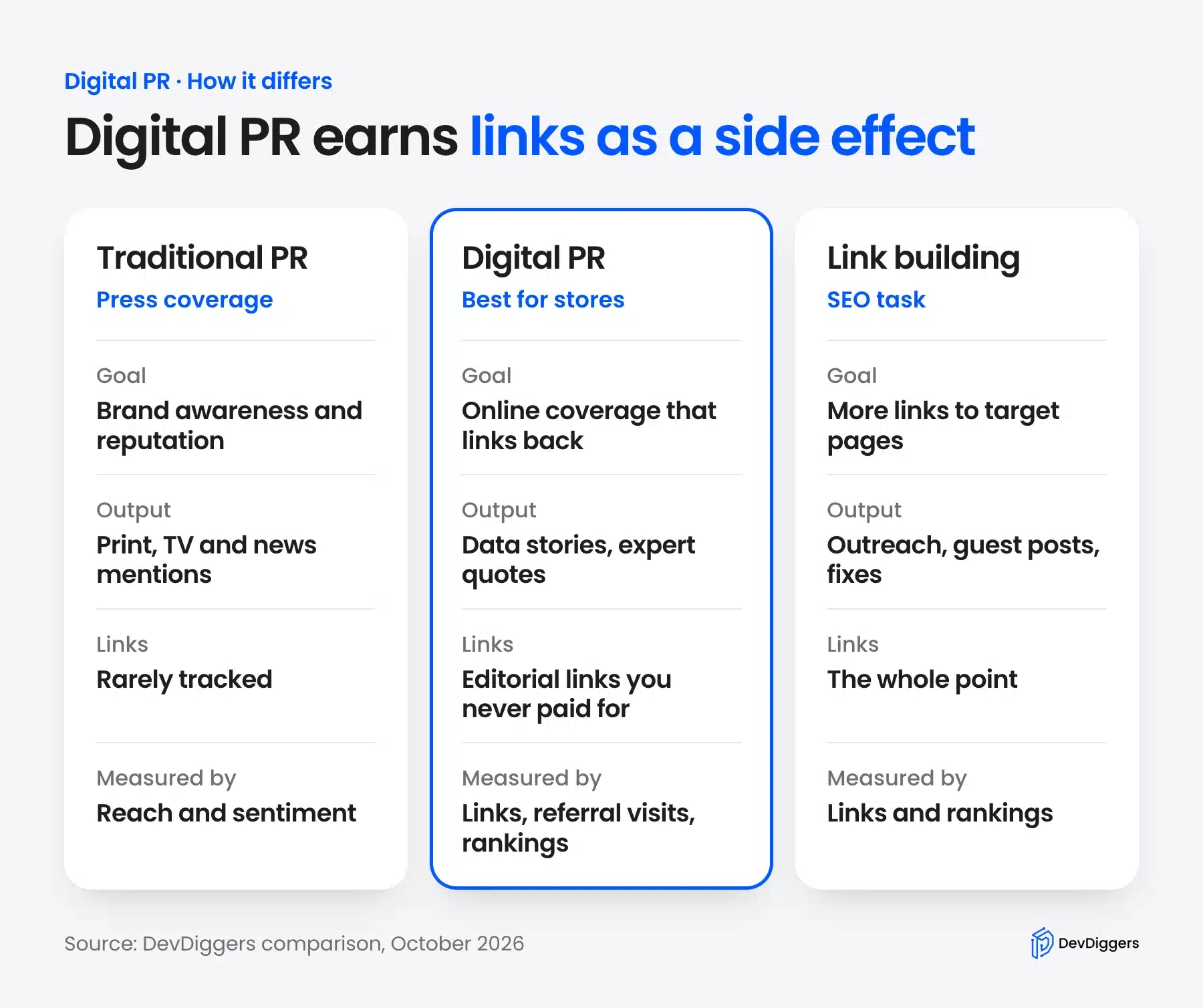
That difference matters for search. A link a journalist adds because your data supports their article is an editorial link, which is the kind Google’s own rules leave alone. A link you bought, traded or asked for in exchange for a free product is the kind those same rules call spam.
So what is PR in digital marketing? It is the part of marketing that earns attention you could not buy. It overlaps with SEO and social, but its output is coverage on someone else’s site.
Why Digital PR Works for eCommerce Stores
Online stores struggle to earn links because product and category pages give a writer nothing to quote. Digital PR fixes that by giving the store one page that journalists want to cite, such as a data study. The authority from those links then flows to category pages through your internal links.
Think about who links to a page that sells a pour-over kettle. Almost nobody, because a product page answers a shopping question, and a journalist is answering a news question. A page that says what your customers bought before winter answers a news question, and that is the page that gets cited.
Stores also hold something most publishers do not: first-party data. Order counts, return reasons, search terms typed into the store search box and seasonal sales curves are all yours. Nobody else can publish them, which is what makes them newsworthy.
The second reason is internal linking. Once the data page earns links, you point it at the categories you want to rank. Some of that authority then moves along the click path.
Our WooCommerce SEO guide covers how category pages and internal links fit together. A page with no internal links pointing at it is an orphaned page in WordPress, and search engines find it late.
Worth knowing: Links from PR rarely point at a product page, and that is fine. Plan for the data page to collect the links, then send its internal links where the revenue is.
How to Run a Digital PR Campaign for an Online Store
A digital PR campaign for a store runs in six steps, starting with your own data and the month interest peaks. Next you add trusted public data and publish the finding on your own site. Then you find journalists who are asking and pitch them.
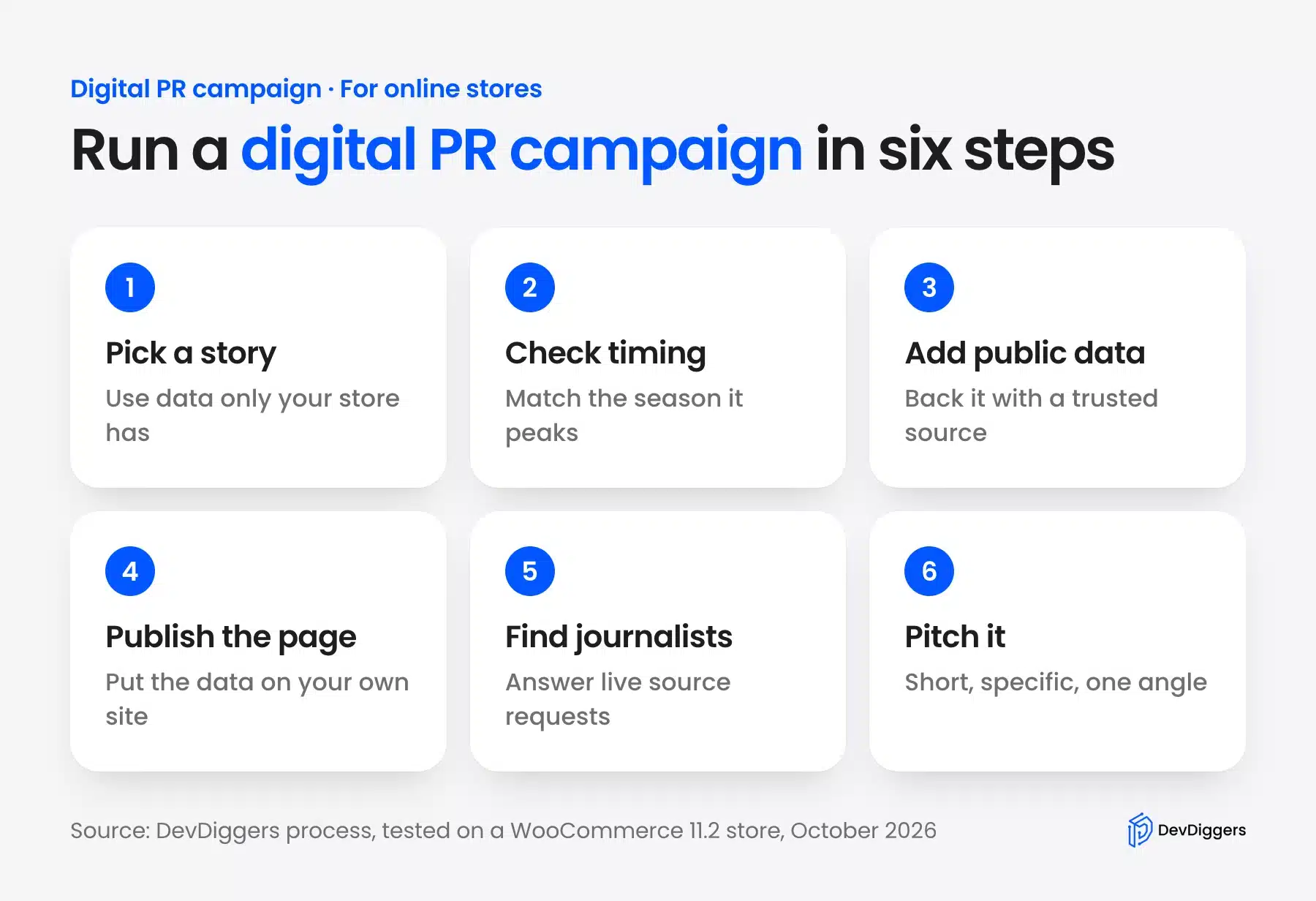
Plan on two to four weeks for a first campaign. Most of that time goes into the data and the page, because the pitch itself takes an afternoon once the story holds up.
Step 1: Pick a Story Only Your Store Can Tell
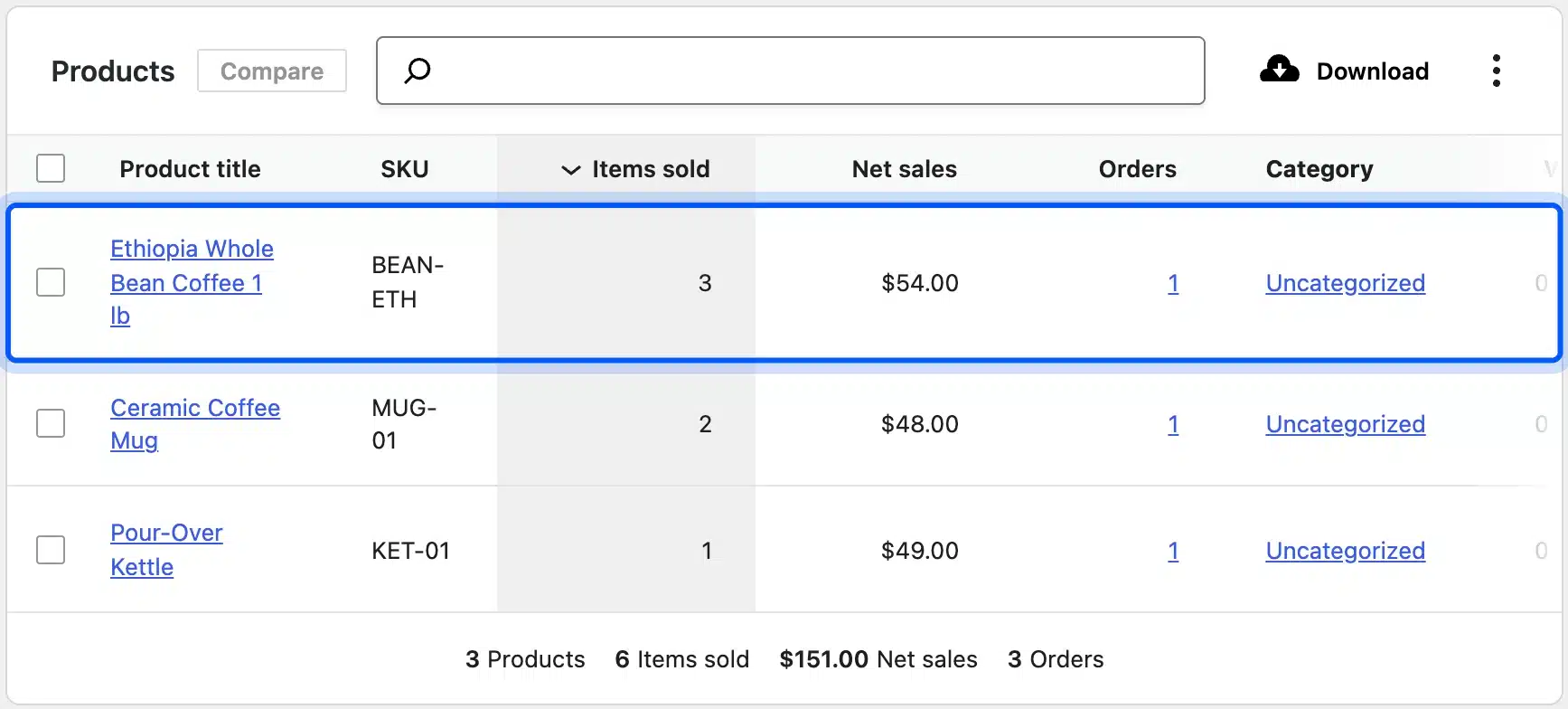
Open WooCommerce, then Analytics, then Products, and set the date range to the period you want to report on. This report shows items sold, net sales and orders per product. It is the fastest place to spot a pattern a reporter might care about.
On our test store the report showed 6 items sold, $151.00 in net sales and 3 orders for October 1 to 9, 2026. Whole bean coffee led with 3 units.
A real store has thousands of rows, so look for a surprise. It might be a product that sold out early, a region that buys more than expected or a price point that beat the rest.
Write the finding as one sentence a stranger would repeat. “Our customers bought three bags of beans for every mug” is a story. “We sell great coffee” is an ad, and no journalist will run it.
Step 2: Check When Interest Peaks
A seasonal story lands best a few weeks before demand peaks, while journalists are still writing their roundups. Google Trends is the usual tool. For this guide we used the Wikimedia Pageviews Analysis tool, a free source that shows real monthly view counts.
The Wikipedia article on Halloween costumes got 1,665 views in June 2025 and 20,603 in October 2025, about 12 times more. Views started climbing in September, which is when a costume or party store should already be pitching. You can see the same curve repeat in 2024 and 2025.
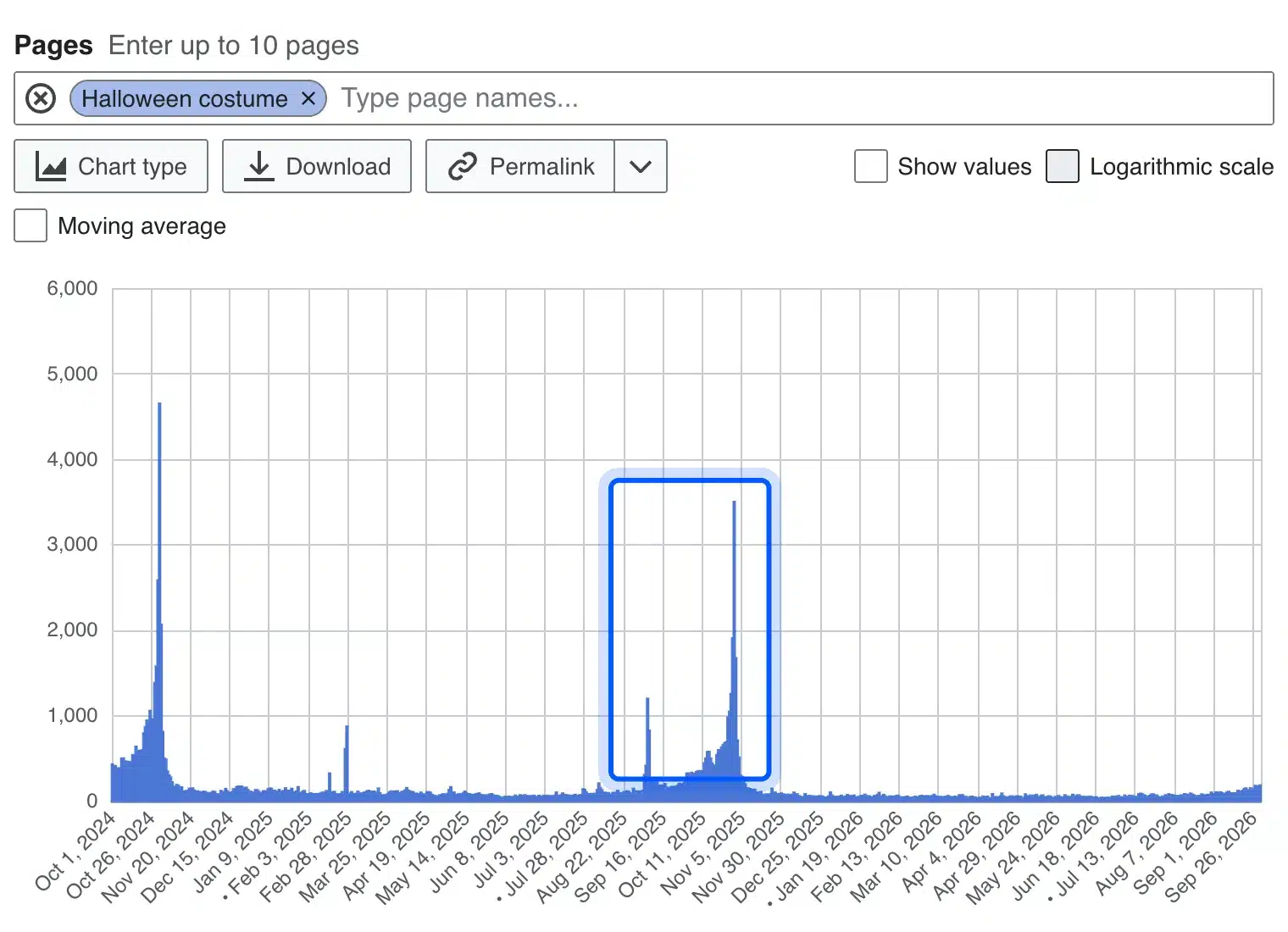
Run the same check on your own topic, then work backward. If the peak is late October, your page goes live in September and your pitches go out in the first two weeks of that month.
Step 3: Back the Story With Public Data
Your store data is the hook, but one store is a small sample, and journalists know it. Pair your numbers with a trusted public source so the story stands on more than your own order history.
For anything about online shopping in the US, the Census Bureau’s quarterly retail e-commerce report is the standard source. Its August 18, 2026 release put second quarter 2026 e-commerce sales at $340.2 billion, 17.1 percent of total retail sales. The next release is due November 19, 2026, so check for newer numbers before you pitch.
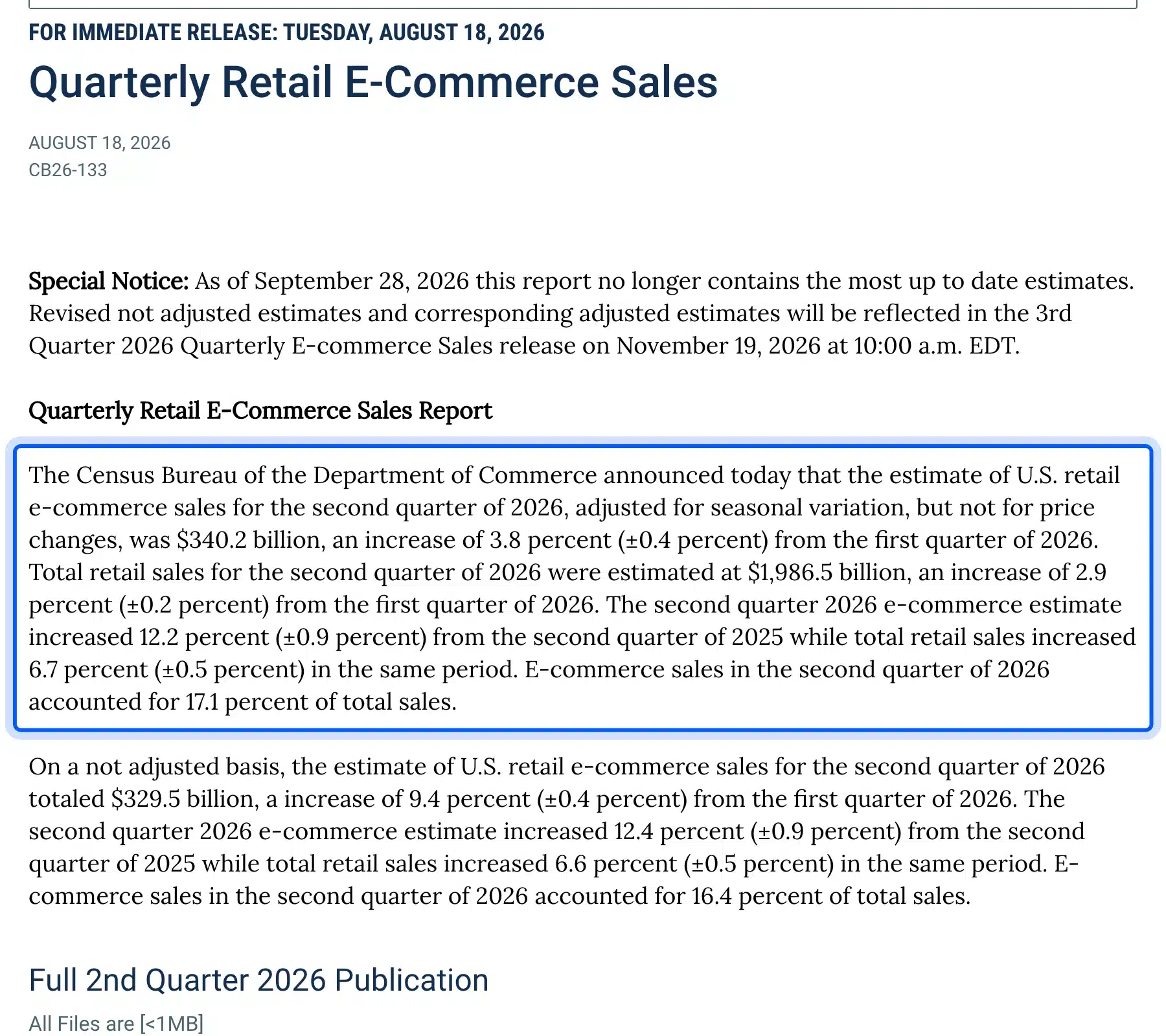
The public number gives your finding context. Pair the Census share of 17.1 percent with your own finding, such as gift orders doubling, and a reporter can use the sentence as written.
Step 4: Publish the Data on Your Own Store
Put the finding on a normal page on your own domain before you pitch anyone. Journalists link to a source page, and if the data only lives inside an email, there is nothing to link to.
Keep the page short: a title with the finding, a table of the numbers, a one-line source under each row and a method section. We built ours as a draft page in the WordPress block editor with a core Table block, which took about ten minutes.
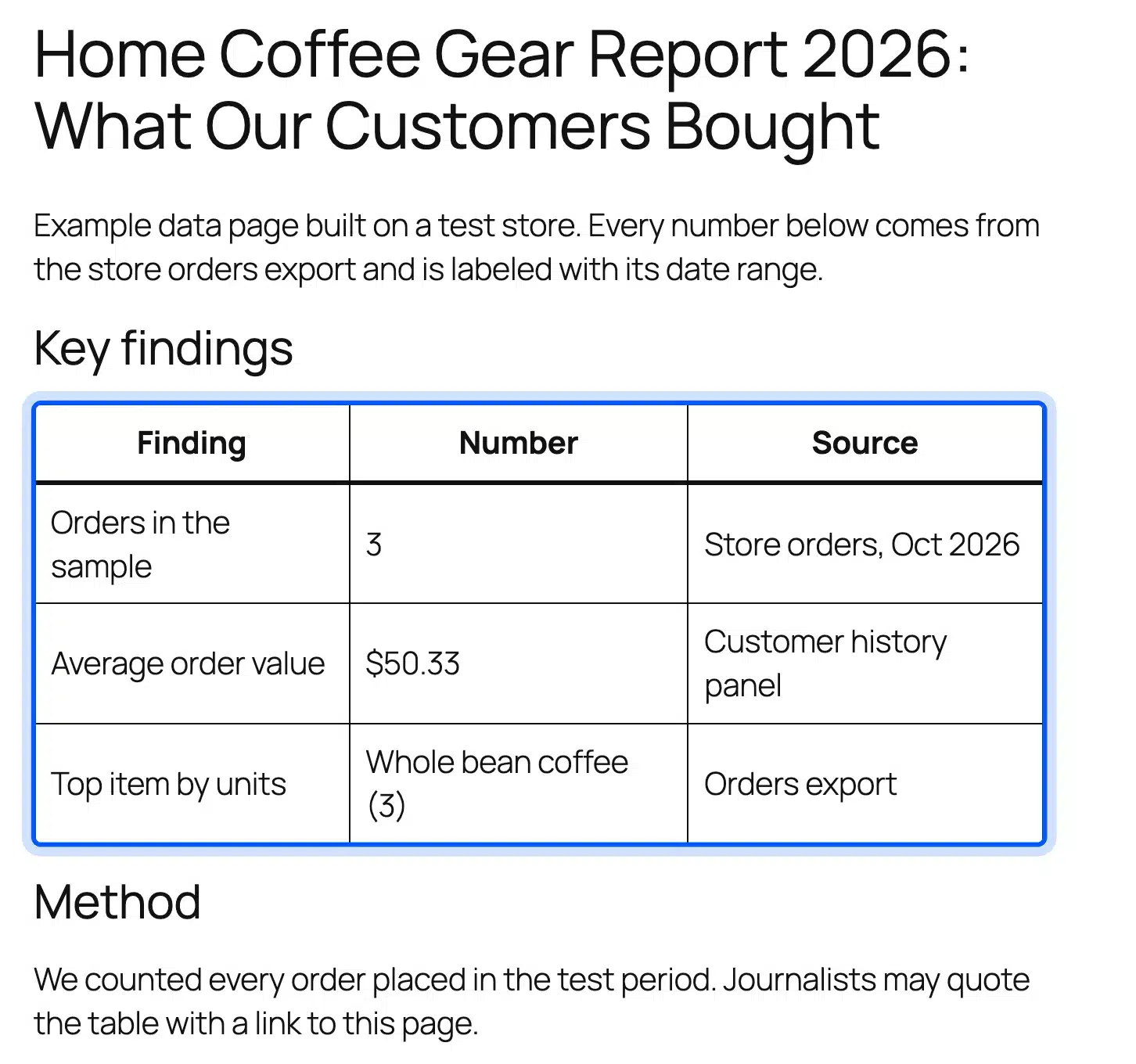
Give the page a plain URL and a title a journalist can paste into a citation. Then run it through an on-page SEO checklist so the page can also rank for the topic on its own.
Tip: Label every number with its date range and source. A reporter checking your table at 6 p.m. on deadline will drop a number they cannot trace.
Step 5: Find Journalists Who Are Asking Right Now
The fastest journalist outreach is answering requests reporters have already posted. Free source request services list live call outs with deadlines, and you reply to the ones that fit your data instead of cold pitching strangers.
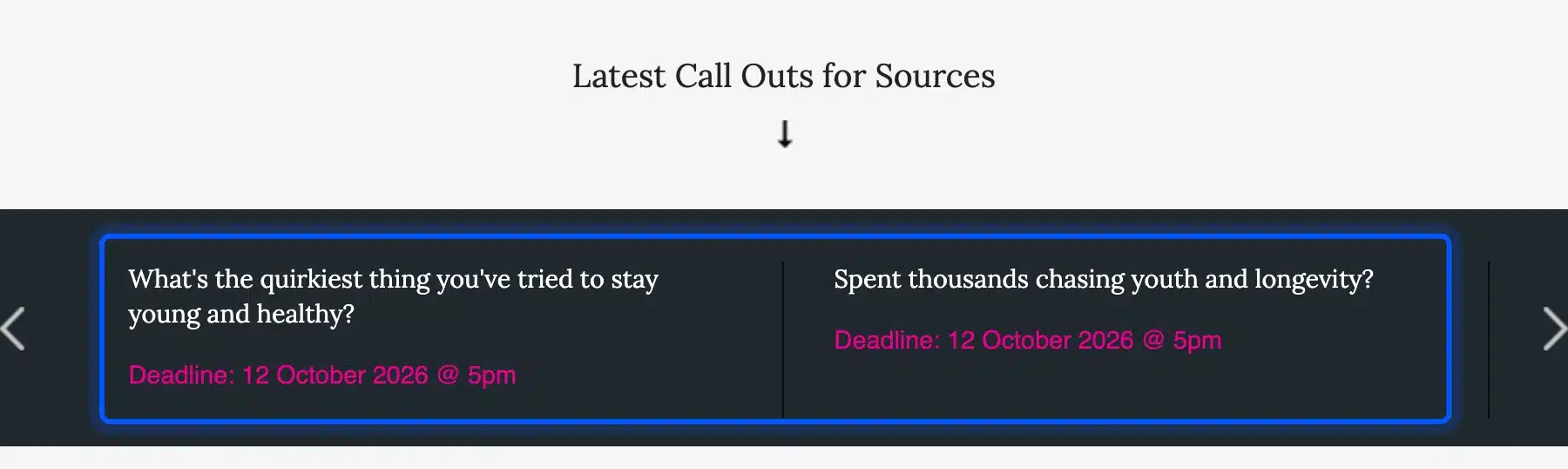
SourceBottle shows its latest call outs on its home page without a login. When we checked in October 2026, every open request on the page closed within three days. That shows how short the window is.
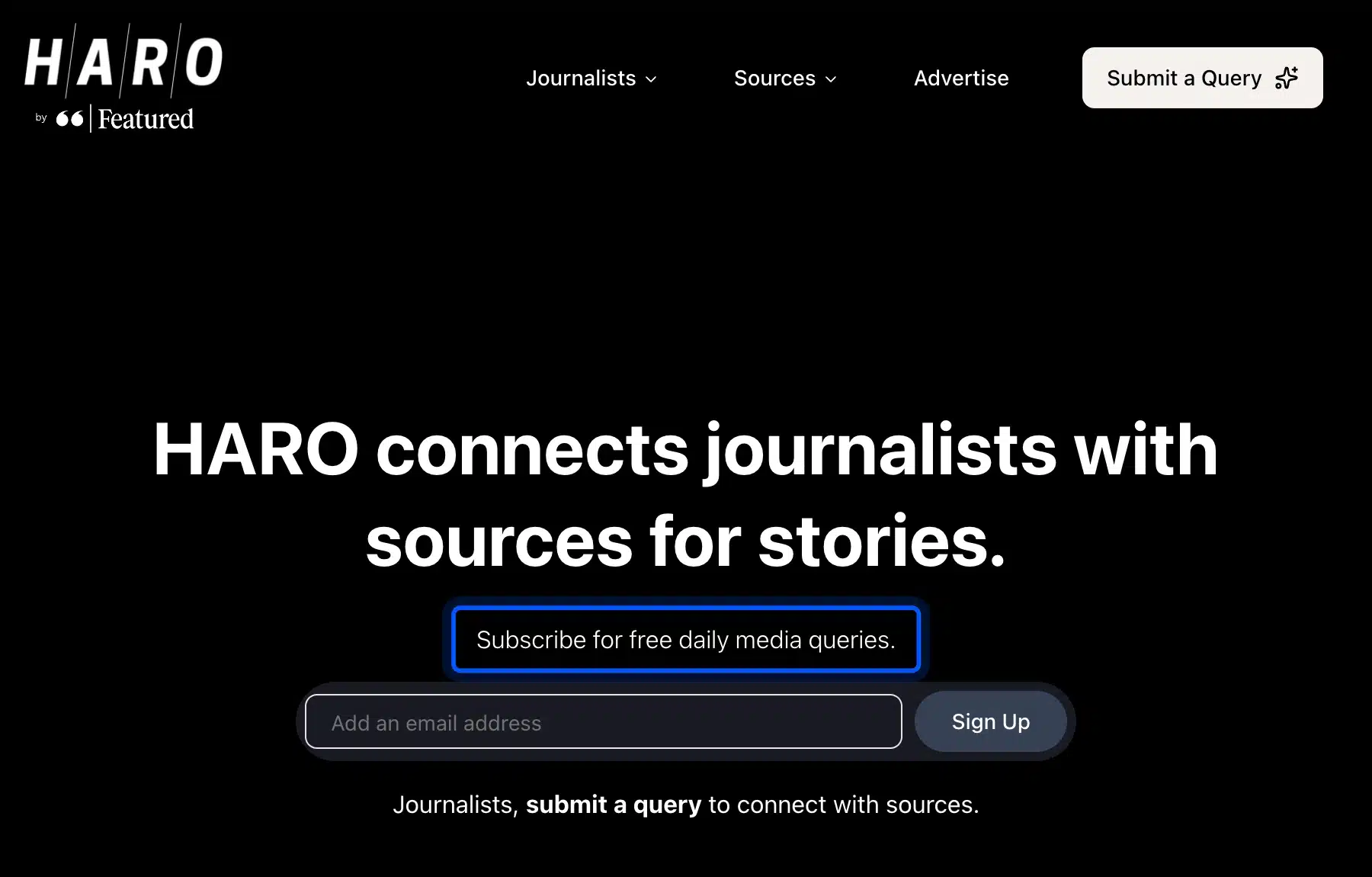
HARO, now run by Featured, sends daily media queries by email. Its home page says sign up is free, so check the terms yourself before you subscribe.
Read three days of requests before you reply to any. You will see which beats come up often, such as retail, consumer tech or personal finance, and where your store’s data fits.
Step 6: Write a Pitch a Journalist Can Use
A good pitch is short enough to read on a phone and specific enough to quote. Lead with the finding and its number, say why it matters to that writer’s readers, and link the data page as proof.
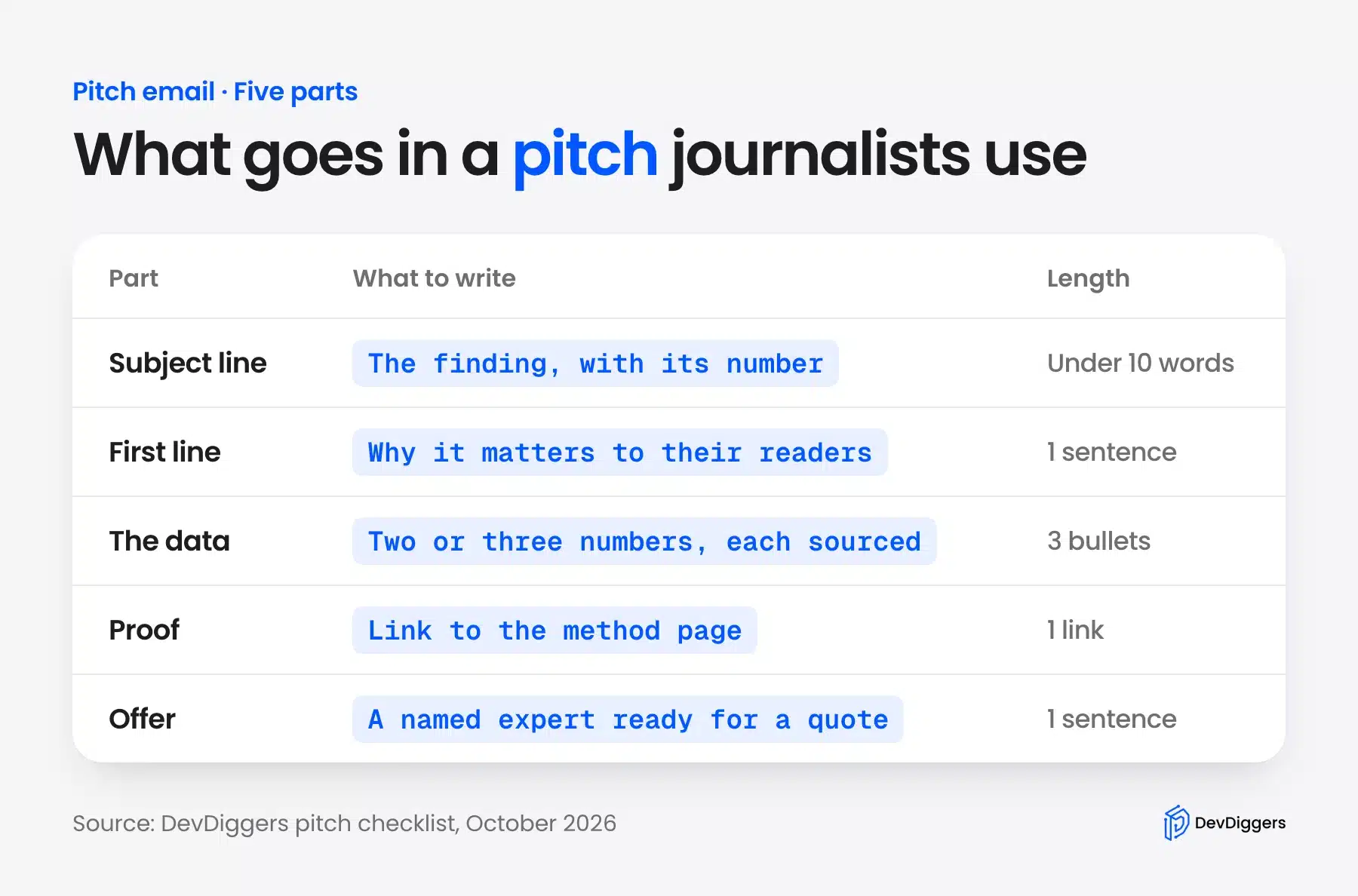
Here is a pitch shape that follows those five parts:
Subject: Gift orders doubled in October at our coffee gear store

Hi Sam, saw your request for holiday gift trends.
- Gift-wrapped orders: 2x September's share (store data, Oct 1-31, 2026)
- US e-commerce share of retail: 17.1% in Q2 2026 (US Census Bureau)
- Top gift: pour-over kettles, 3 of every 10 gift orders
Method and full table: [link to your data page]
Our founder can comment by phone today.
The numbers in that template are placeholders to show the shape. Swap in your real figures, and never send a number your page does not show.
Digital PR Strategy: Five Angles That Fit Online Stores
A digital PR strategy for a store is a short list of story angles you can repeat every quarter with fresh data. Data studies and seasonal stories carry most campaigns, while newsjacking and expert quotes fill the gaps. Product stories work only when the launch has a real hook.
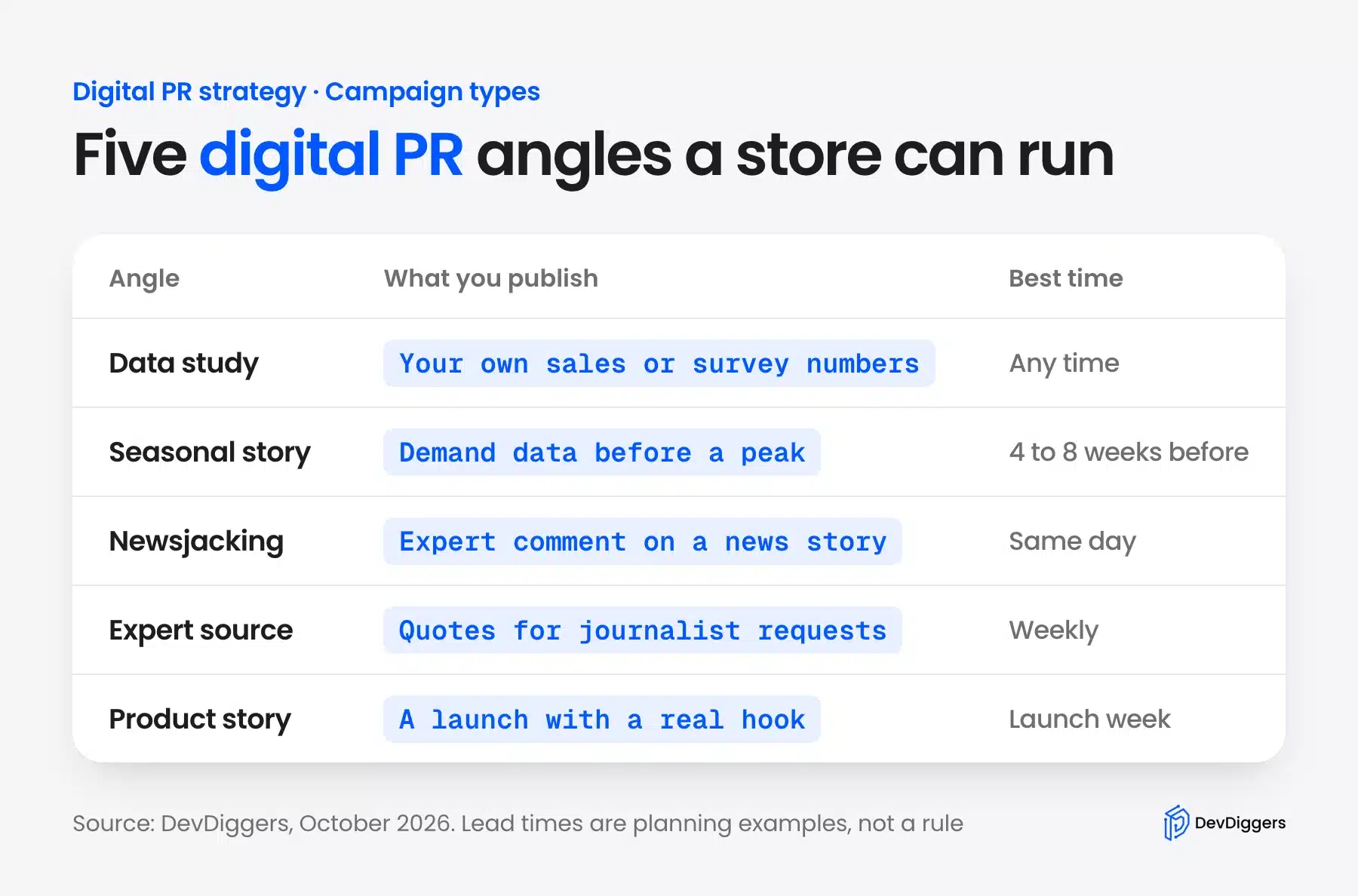
The five angles that fit a store are these:
- Data studies: Your order, search or survey numbers turned into one clear finding.
- Seasonal stories: The same data, timed four to eight weeks before the peak you found in Step 2.
- Newsjacking: A fast expert comment when a story breaks in your niche, such as a shipping rate change. It works only if you reply the same day.
- Expert source work: Weekly replies to journalist requests, where your founder or buyer is the named expert.
- Product stories: A launch with a hook beyond the product itself, such as a material nobody else uses.
Pick two angles and run them well before you add a third. A small store that sends one strong data story per quarter will beat one that sends a weak pitch every week.
A Worked Digital PR Campaign Example
The example below is a planning model with round numbers, and it describes no real client. Say a coffee gear store answers 20 journalist requests over four weeks, using one data page as proof, and two writers publish with a link.
Here is how that plays out:
- Week 1: The store finds that kettles outsell mugs 2 to 1 in November orders and publishes a data page.
- Weeks 2 and 3: It answers 15 requests on gifts, home coffee and small business trends.
- Week 4: It answers 5 more, and two published articles quote the store with a link to the data page.
Two links from 20 replies is a 10 percent hit rate. In this example that is a planning number, not a promise, and a first campaign often lands lower while the store learns which requests fit.
The links matter less than where they point. Both land on the data page, and that page links to the kettle category. So the category gains authority without anyone linking to it directly.
How to Keep PR Link Building Inside Google’s Rules
PR link building stays safe when the link is the journalist’s choice and nothing of value changed hands for it. Google’s spam policies name buying links, trading goods or services for links, and sending a product in exchange for a linked review as link spam.
Google’s spam policies for web search list the examples in plain words. The one stores trip over is product seeding. A free sample is fine, but a sample sent on the condition of a link is not.
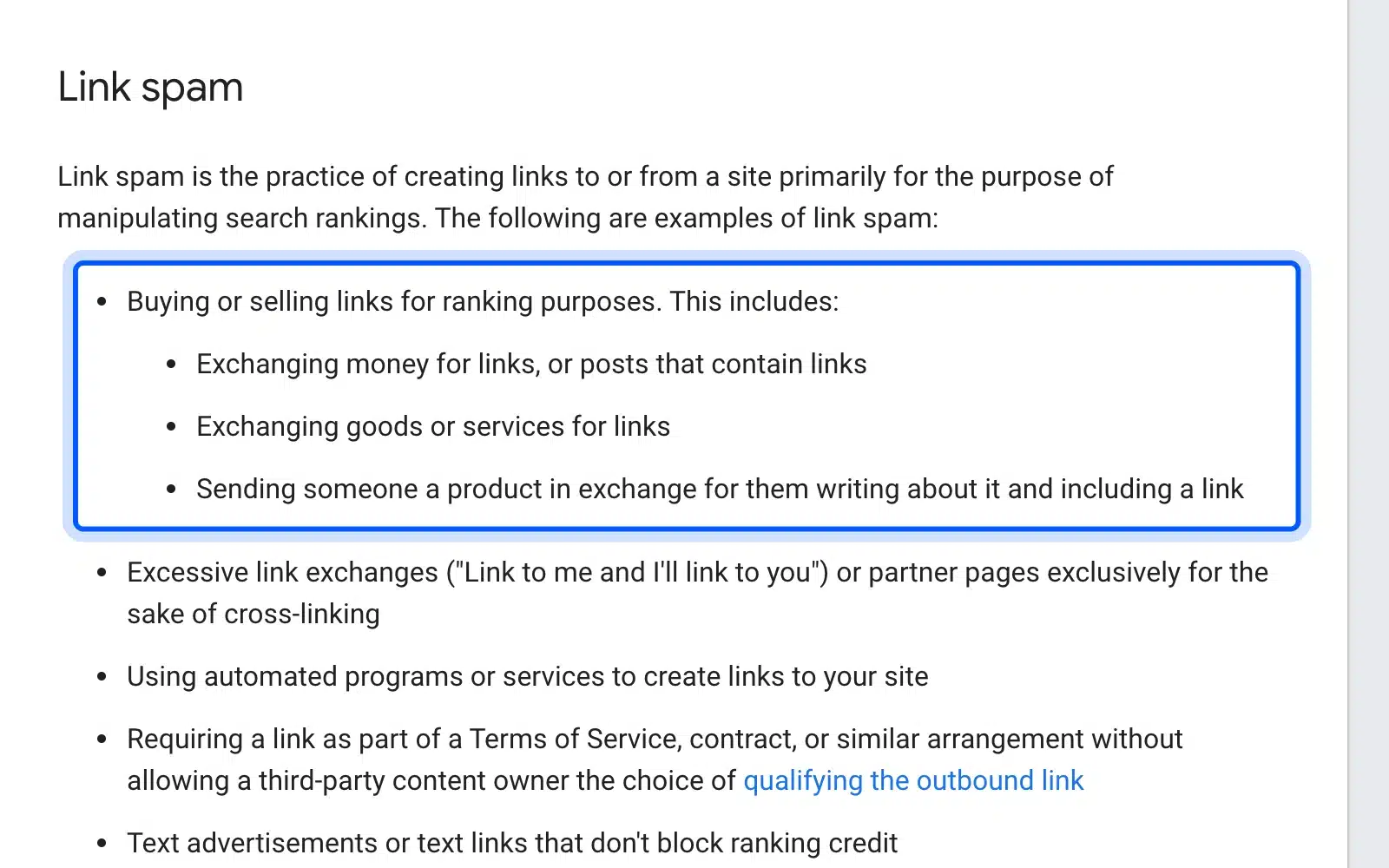
The same page lists “links with optimized anchor text in articles, guest posts, or press releases distributed on other sites”. So a press release stuffed with “best coffee kettle” anchors and pushed through a wire service is the wrong kind of PR.
When a placement is paid, such as a sponsored gift guide, the link should be qualified. Google’s guide to qualifying outbound links says to mark paid placements with the sponsored value.
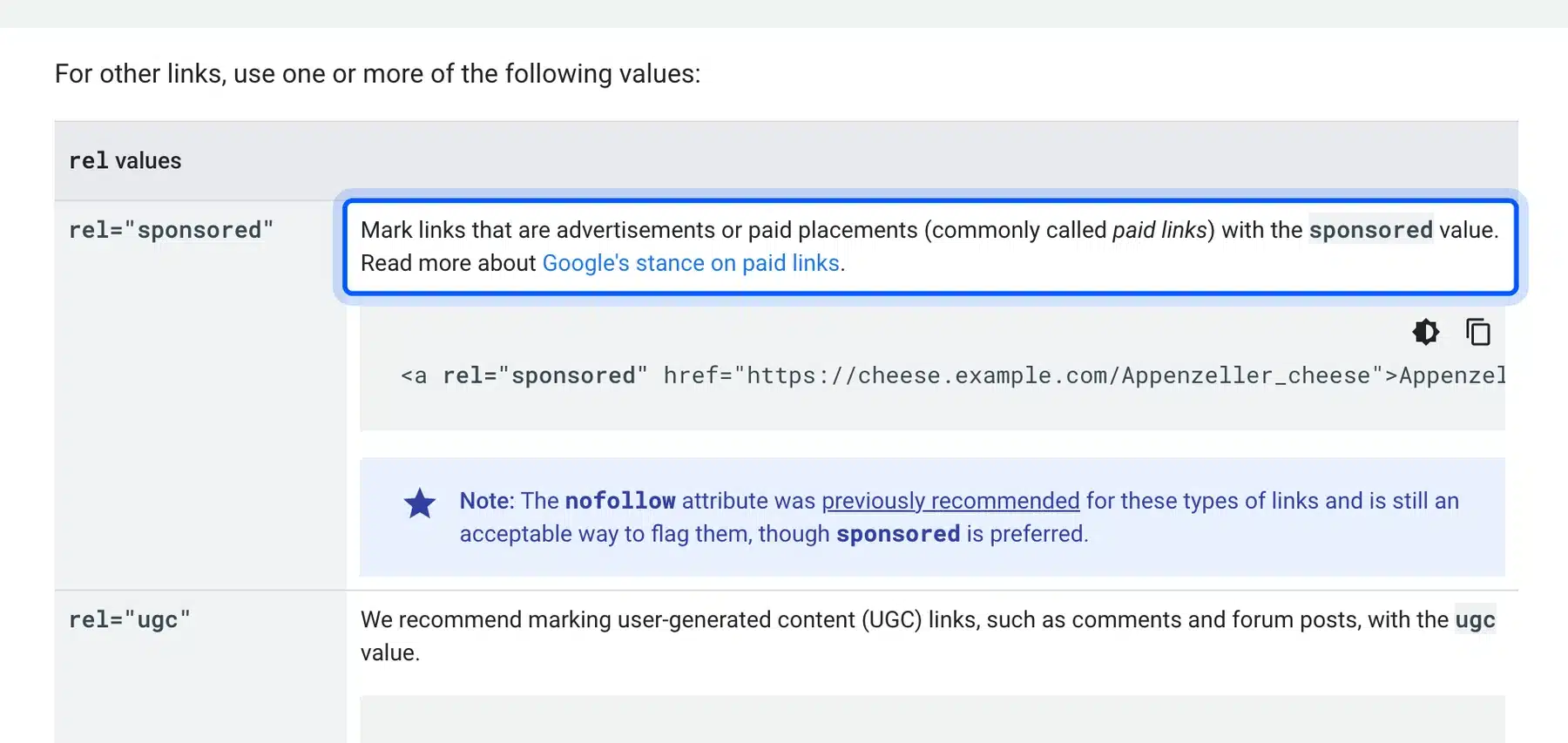
Important: You cannot control how a publisher codes a link, and a nofollow link from a big outlet still sends real visitors. Judge coverage by whether real people read and clicked it.
How to Measure Digital PR Results
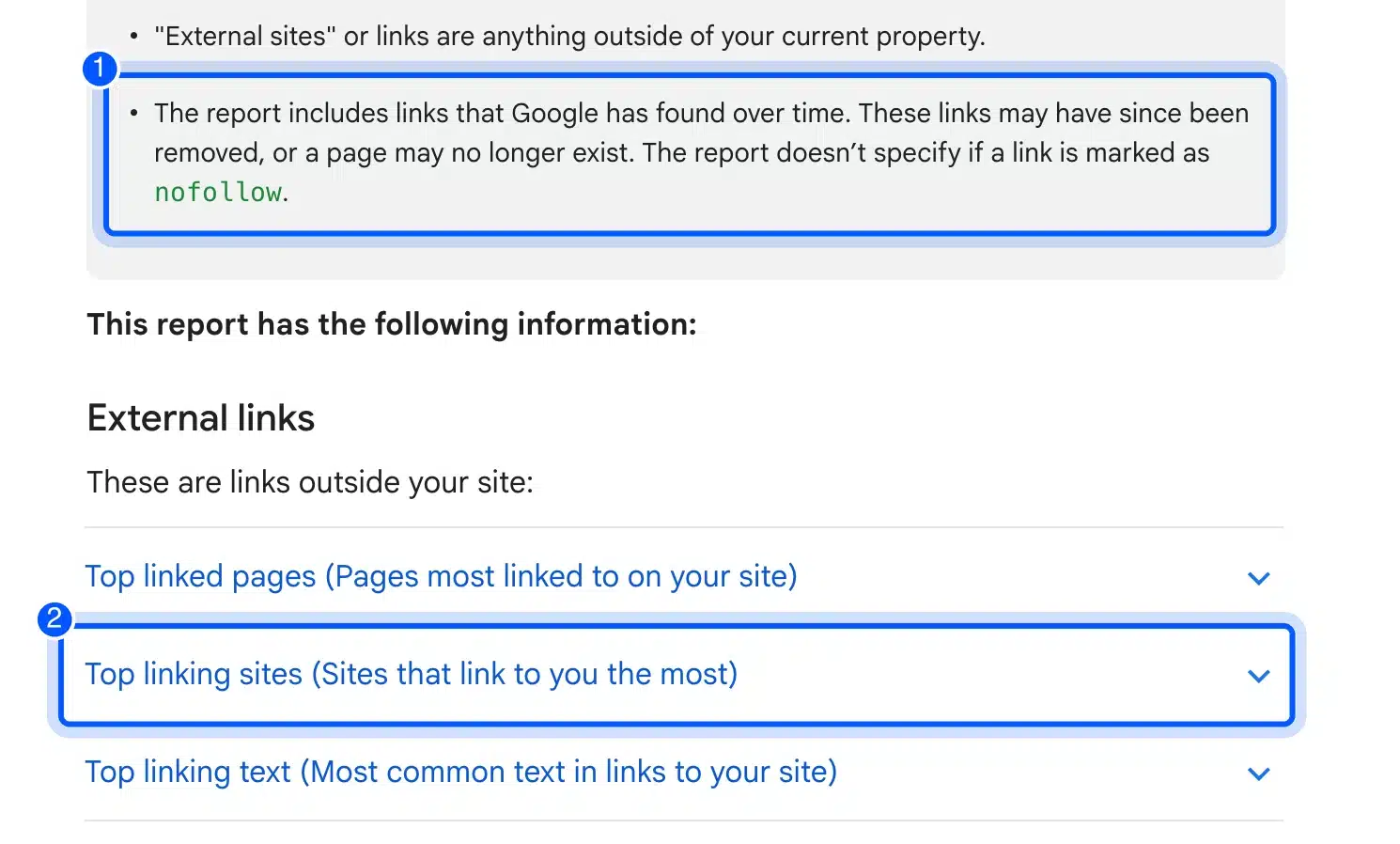
Measure digital PR with three numbers: coverage pieces, linking domains and referral visits from those articles. Search Console’s Links report shows which sites link to you, and your analytics shows whether the coverage sent buyers. Rankings move later, so judge a campaign after three months.
Coverage tracking starts with a simple sheet: the outlet, the date, the URL and whether the article links to you. Search for your brand name and your data page title once a week, because many articles go live without anyone telling you.
The Links report in Google Search Console is the free check for links Google has found. Its help page notes two limits worth knowing before you trust it. Tables stop at 1,000 rows, and the report does not say whether a link is nofollow.
Authority builds slowly, so give each campaign a full quarter before you call it. Brand mentions without a link still count for something, especially in AI answers, which our guide to AI search visibility explains.
Common Digital PR Mistakes Stores Make
Most failed store campaigns break at a pitch with no story, data with no source or a link the store tried to buy. Each one is cheap to avoid once you know it, and each one costs a relationship with a journalist when you miss it.
- Pitching the store: “We launched a new collection” is an announcement, and journalists delete it unread.
- No data page: A finding that lives only in an email gives the writer nothing to link.
- Gifting for links: A product sent on the condition of a link breaks Google’s link spam rules.
- Late seasonal pitches: A Halloween story pitched on October 25 arrives after the roundups are written.
- One-off effort: PR compounds the way compound SEO does, and one campaign rarely moves rankings alone.
If you would rather hand this off, our WordPress SEO services cover technical and content work. Our WooCommerce SEO services focus on store category and product pages. Both start with the site, so the links from PR have somewhere useful to land.
Conclusion
Digital PR works for online stores when the story comes from your own data and the link is the journalist’s choice. Publish one data page, time it before the peak and reply to live requests instead of cold pitching.
Keep every link clean under Google’s spam policies, because a bought or traded link can undo the work. Then track coverage weekly and judge the campaign after a full quarter, since rankings follow links slowly.
Frequently Asked Questions (FAQs)
Q1. Is digital PR the same as link building?
No. Link building is any work aimed at getting links, while digital PR earns them as a result of media coverage. Digital PR also brings brand mentions and referral visits that link building often skips.
Q2. How long does digital PR take to work?
Coverage can appear within days of a good pitch, because journalist requests carry short deadlines. Rankings move slower, so most stores judge a campaign after about three months of steady links.
Q3. How much does digital PR cost?
Doing it yourself costs time more than money, since source request services like SourceBottle list requests for free. Agencies charge monthly retainers, so compare what each one delivers before you sign.
Q4. What is a digital PR agency?
A digital PR agency plans story angles, builds data campaigns and pitches journalists for you. Ask any agency how it earns links, and walk away if it offers guaranteed placements, which often means paid links.
Q5. Can a small online store do digital PR?
Yes. A small store has first-party data no publisher has, and one clear finding is enough to start. Answering two or three journalist requests a week is a realistic pace for a store owner.
Q6. Do nofollow links from news sites help SEO?
Google’s guide to qualifying outbound links says Google will not usually follow links with these rel values. Such links pass little ranking value, but they still send readers and brand searches, so track both kinds.
Q7. What tools do I need for digital PR?
Start with your store analytics for data, a public source like the Census Bureau, and a free request service like SourceBottle or HARO. Google Search Console and a simple spreadsheet cover link and coverage tracking.