

Crowded text is a hidden reason people leave. If your paragraphs look like a wall of ink, readers won’t stick around long enough to find out your content is actually good. The fix takes minutes, but knowing where to make it happen is where most people get stuck.
There are four ways to change line spacing in WordPress: the block editor, the Theme Customizer, custom CSS, or the Site Editor if you’re running a block theme. Each one does the job, but not every site has access to all four, and that’s the detail most tutorials leave out.
Your theme decides which line height controls actually show up. Skip that check first, and you’ll burn twenty minutes hunting for a setting that was never going to appear. This guide walks through every method that still works in 2026, including the block theme path older tutorials miss, plus the specific mistakes that make line spacing look worse instead of better.
Why Line Spacing Matters in WordPress?
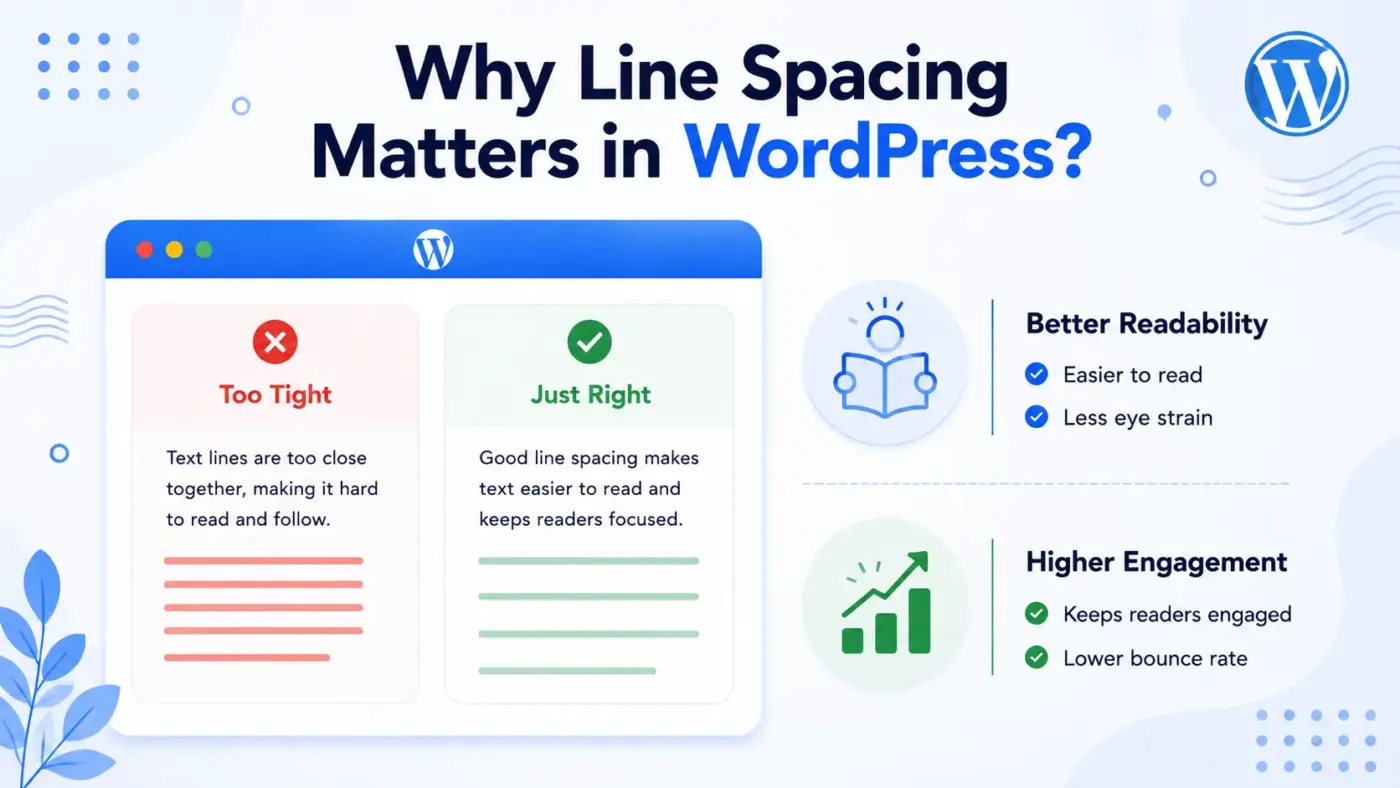
Line spacing (the CSS world calls it “line-height”) is the vertical gap between lines of text inside a paragraph. Too tight, and lines blur together. Too loose, and readers lose their place scrolling back to the next sentence.
There’s a real accessibility reason to get this right, not just a design one. WCAG recommends a minimum line-height of 1.5 times the font size for body text, and it helps every reader, not just people with visual impairments.
Most WordPress themes default to somewhere between 1.4 and 1.6, which is usually fine. It becomes a problem when a new font doesn’t match that default, or when you’re publishing something like a recipe or legal document where spacing does real work.
Crowded text also pushes readers to bounce faster, which shows up in your analytics as shorter session times even when the content is good. We’ve seen support tickets where the real issue was a theme update quietly resetting line-height back to 1.2.
Line Spacing vs. Paragraph Spacing vs. Letter Spacing
These three terms get used as the same thing, and that’s where most confusion starts. Each one controls something different:
| Term | What it controls | CSS property |
|---|---|---|
| Line spacing | Vertical gap between lines inside one paragraph | line-height |
| Paragraph spacing | Vertical gap between separate paragraphs | margin or padding |
| Letter spacing | Horizontal gap between individual characters | letter-spacing |
If your paragraphs already look fine internally but there’s too much (or too little) gap between them, you’re not looking for line spacing at all. You want paragraph spacing, and that’s an margin-bottom adjustment on your p tags, not a line-height change. Mixing these up is the single most common reason people apply a fix and see nothing change.
How to Change Line Spacing Using the Gutenberg Block Editor
Open the post or page you want to edit and click into the paragraph, heading, or list block you’re adjusting. This method works whether you’re editing one paragraph or applying a style to a whole post.
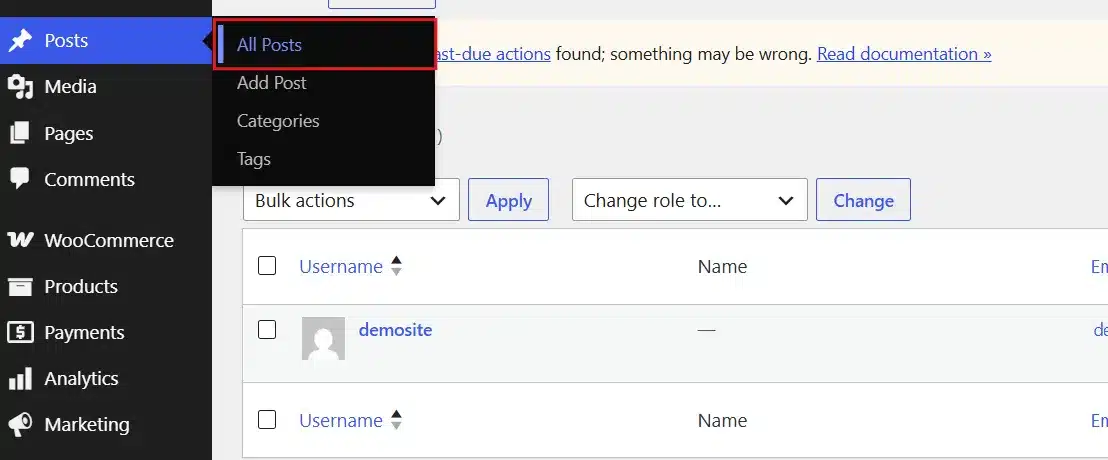
- Go to Posts → All posts in your WordPress Dashboard.
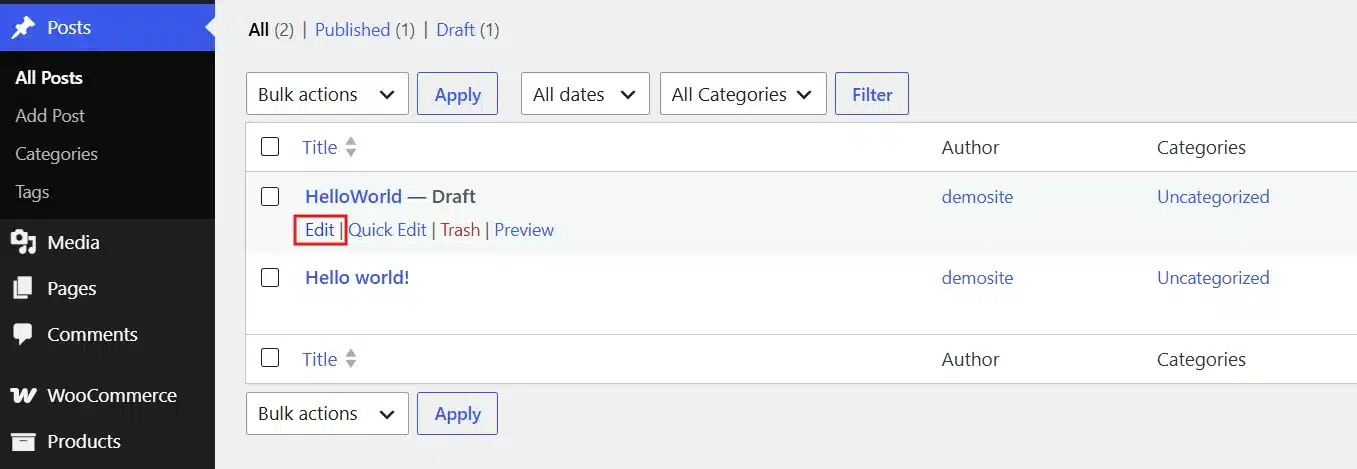
- Select any post you want to change the line spacing for.
- Select the block you want to change.
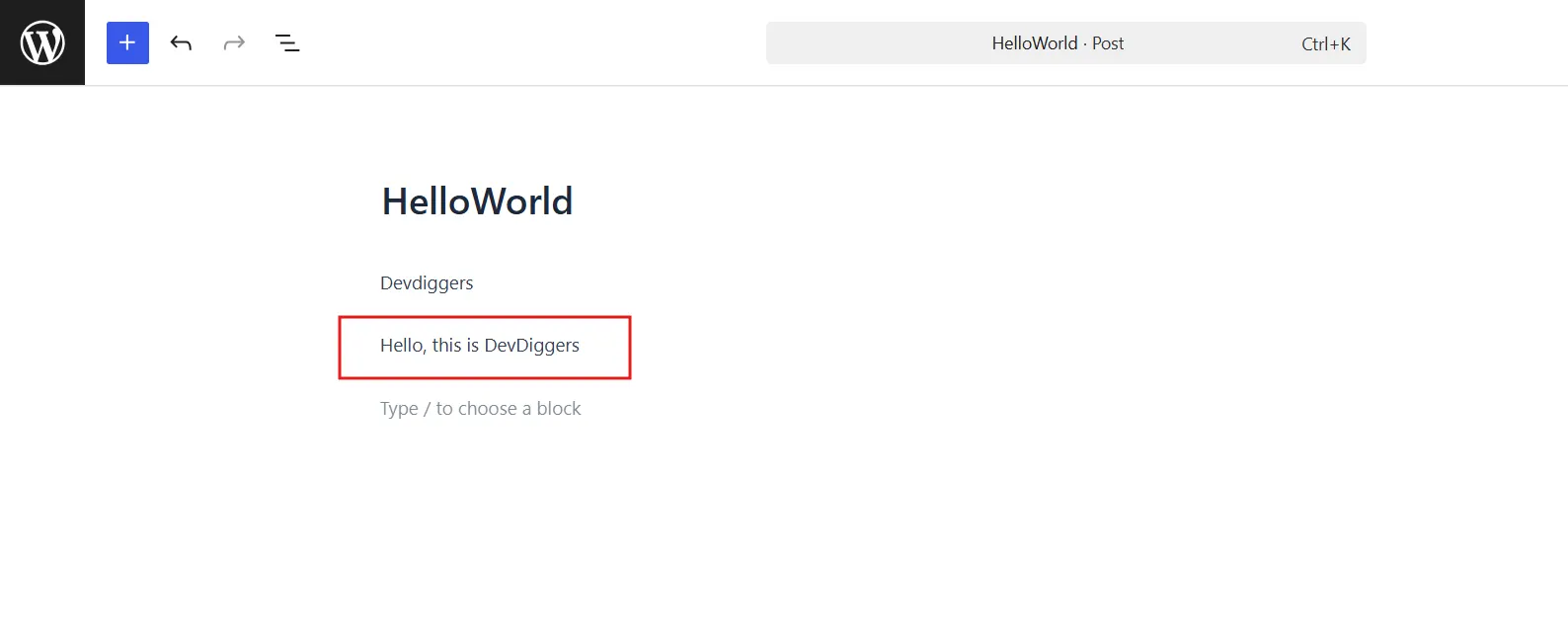
- Click the three-dot menu next to Typography and enable the Line Height field.
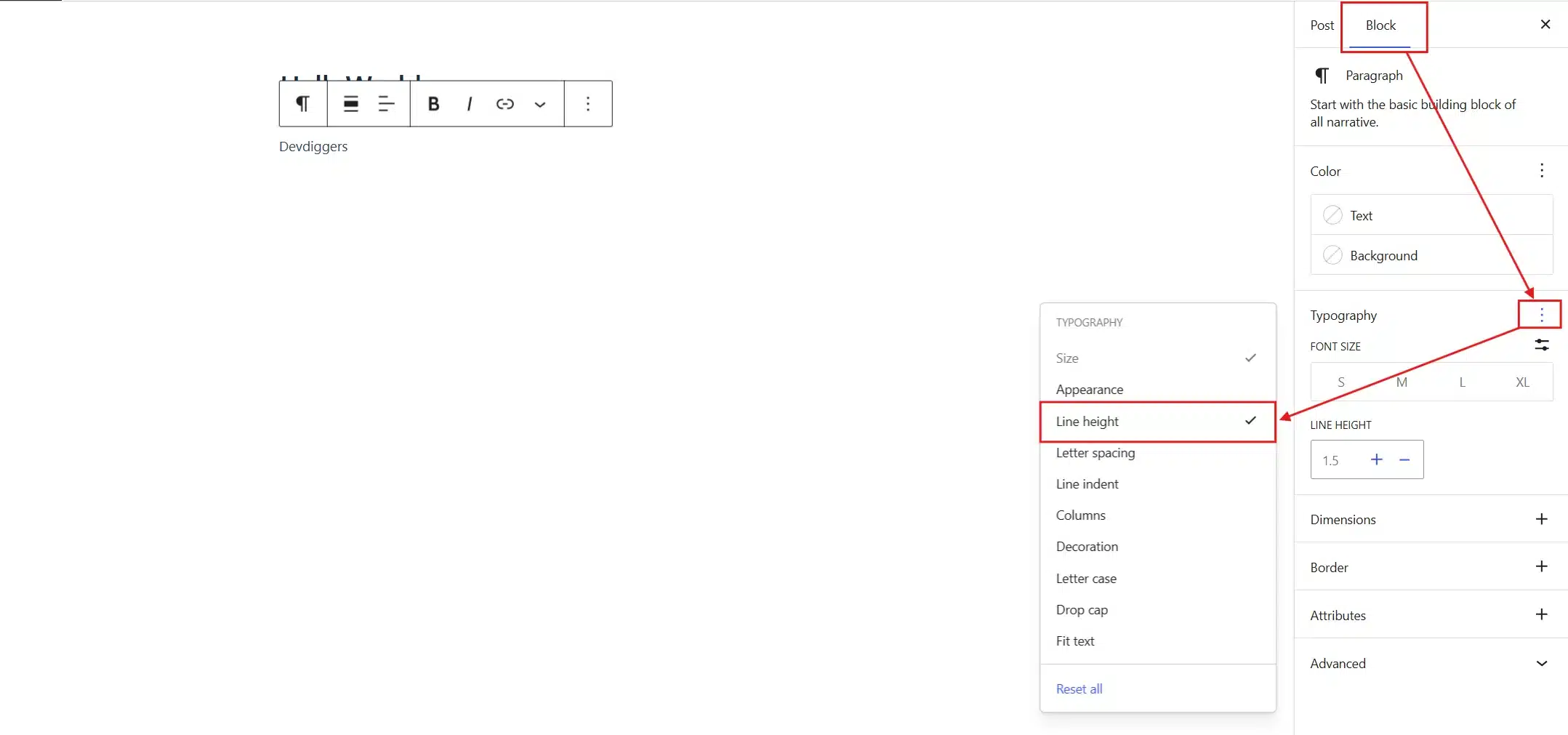
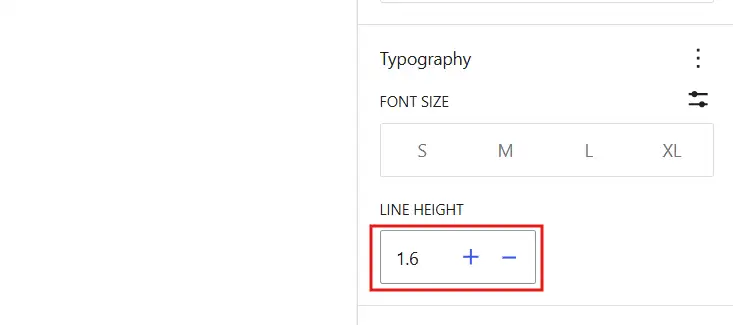
- Enter a line-height value.
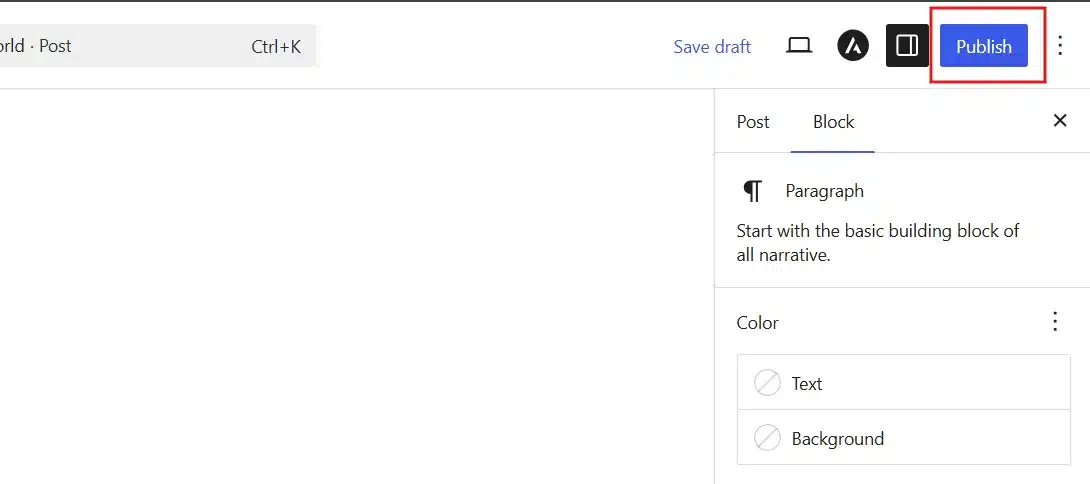
- Preview the change, then click Update or Publish.
Here’s a cheat sheet for where to start depending on what you’re spacing:
| Content type | Recommended line-height |
|---|---|
| Body paragraphs | 1.5 to 1.8 |
| Headings (H1 to H3) | 1.1 to 1.3 |
| Dense text like tables or captions | 1.3 to 1.5 |
| Poetry, addresses, or scripts | 1.0 to 1.2 |
If you’re touching this panel anyway, it’s worth adjusting your font size at the same time rather than as a separate task. The two settings interact directly, and changing one without the other often creates the exact cramped or bloated look you’re trying to fix.
Note: Not every block supports this. Some themes strip the Typography panel from certain blocks entirely, and you’ll only find out by opening the sidebar and seeing nothing there. When that happens, skip to the custom CSS method below. It works regardless of what your theme’s block settings allow.
What to Do if Line Height Doesn’t Appear
A missing Line Height field usually means that your theme hasn’t enabled that control for this block. Older themes, built before full editor support, skip it entirely even on current WordPress versions.
Quick fixes, in order:
- Try a different block type: Heading and Paragraph blocks aren’t always configured the same way. One might show Line Height, the other might not.
- Use a Custom HTML block: Add inline CSS directly:
<p style="line-height: 1.6;">Your text here</p>. Not neat, but it works on any theme. - Use custom CSS (recommended): This skips the theme’s block settings entirely. It’s covered below.
Line Height set in the block editor is a fixed inline style with no responsive breakpoint. A value that looks fine on desktop can feel bloated on mobile. Check both before publishing.
How to Change Line Spacing in the Classic Editor
If you’re still running the Classic Editor, pressing Enter creates a new paragraph with WordPress’s default spacing built in. To get a tighter single-line break inside the same paragraph, hold Shift and press Enter instead. No settings, no plugin.
That handles individual line breaks, but it won’t change spacing sitewide. For that, you need CSS.
- Go to Appearance → Customise.
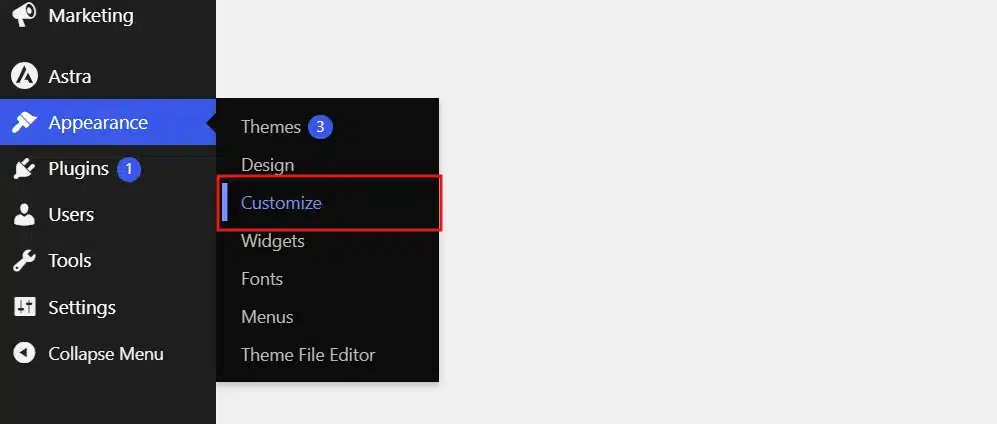
- Then, select the Additional CSS Tab.
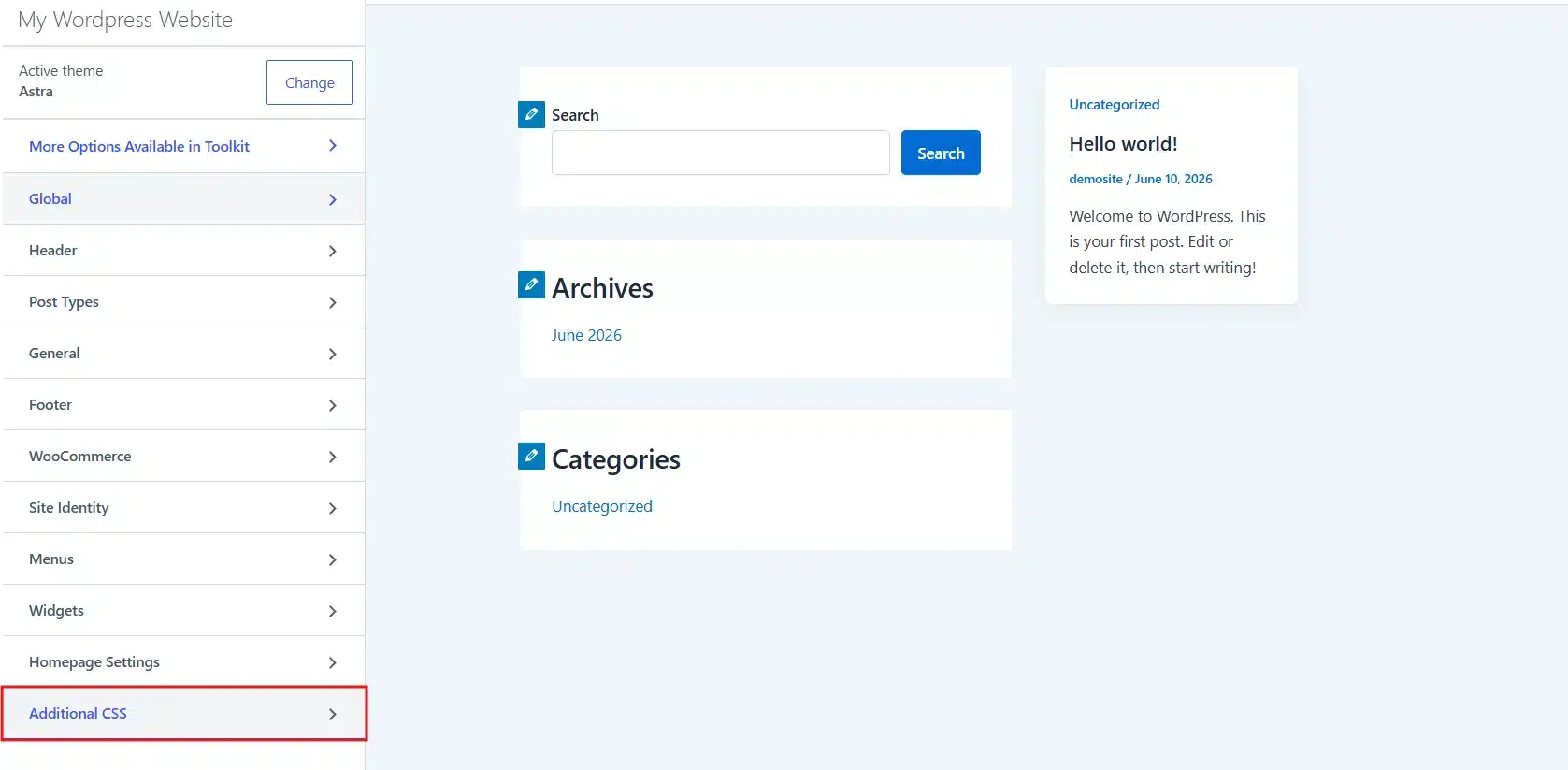
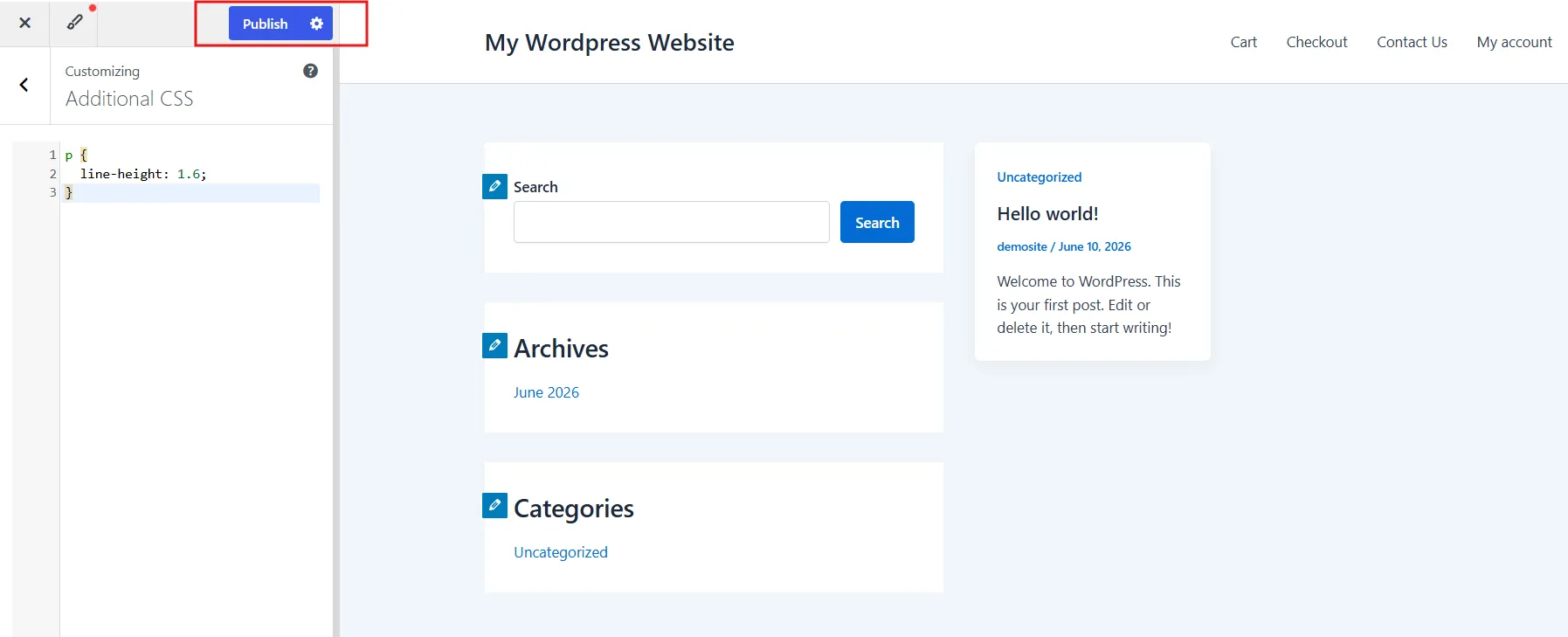
- Paste the code:
p {
  line-height: 1.6;
}
- Click Publish in the Customizer. This rule updates every paragraph across your site.
Common mistake: Bulleted and numbered lists don’t follow the same rule as paragraphs. The p selector above won’t touch spacing inside a <ul> or <ol>. If your list items look cramped, add a separate rule targeting li.
li {
  line-height: 1.6;
}
How to Change Line Spacing With Custom CSS
Custom CSS gives you the most control, and it’s the fallback when your theme’s block settings and Customizer don’t expose what you need. As WordPress’s own documentation explains, code entered here loads after your theme’s stylesheet, which is what lets it override the default spacing.
- Find your wrapper class first: Right-click your post text, choose Inspect, and check what class wraps the paragraph. Some themes use
.entry-content, others.post, and block themes often use.wp-block-post-content. Guessing wrong here is the #1 reason custom CSS “doesn’t work.”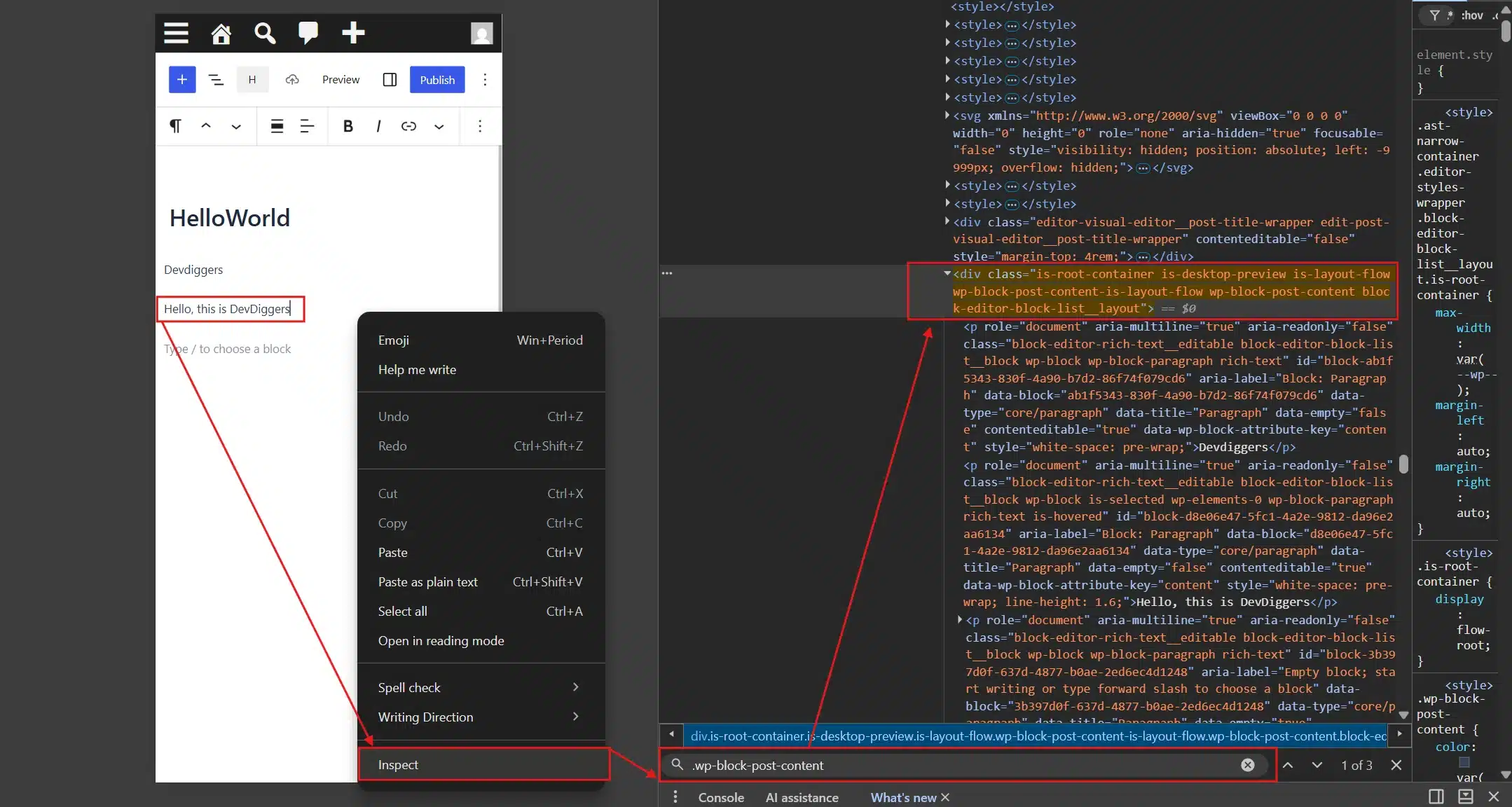
- Go to Appearance → Customise → Additional CSS.
- Add your rule:
.entry-content p {
  line-height: 1.7;
}
- Target headings separately: Headings rarely need the same spacing as body text. Leaving them at your paragraph’s line-height makes them look loose and disconnected. Stack a second rule underneath:
.entry-content h2,
.entry-content h3 {
  line-height: 1.2;
}
- If the rule doesn’t apply, it’s a specificity issue: Nine times out of ten, a theme stylesheet loaded after the Customizer’s CSS is overriding your rule with a more specific selector.
!importantforces it through, but that’s a patch, not a fix. It’s better to match or beat the theme’s selector specificity.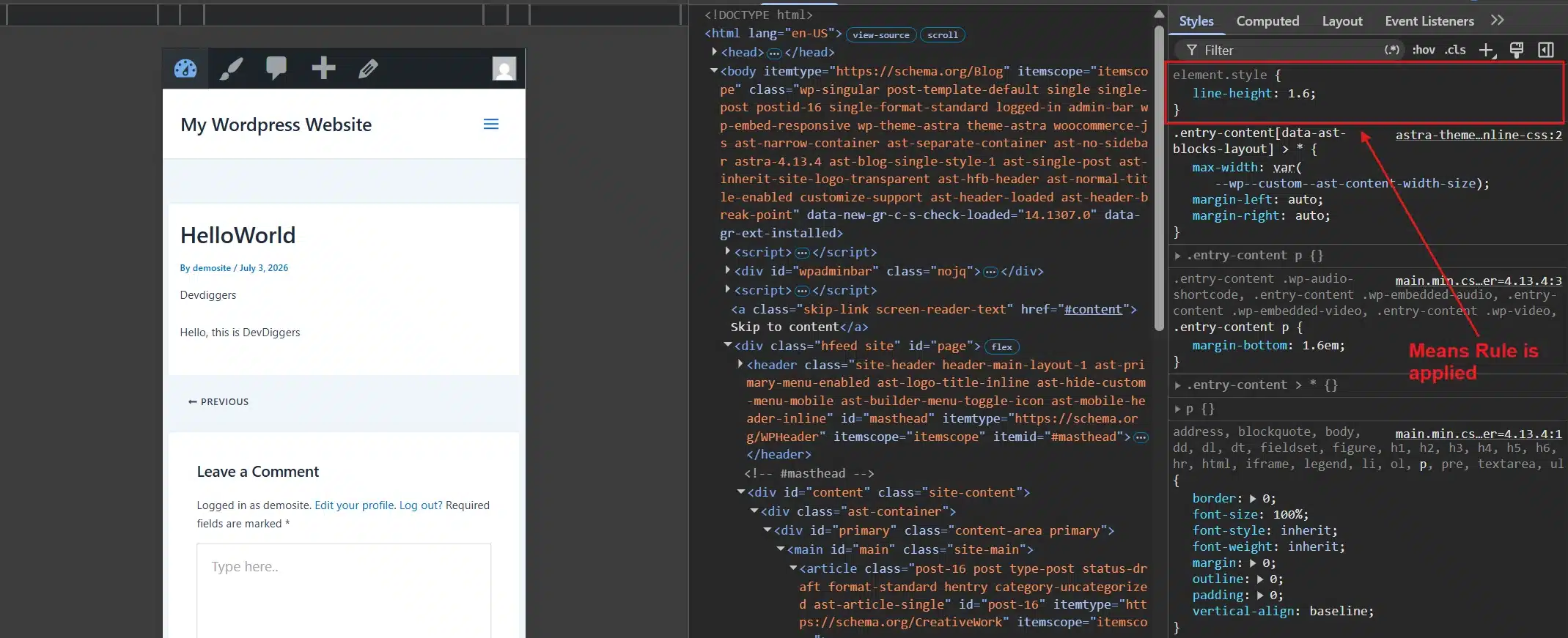
- Work from a child theme if you’re editing often: A WordPress child theme protects your CSS from being wiped out by a theme update, unlike edits made directly to
style.css.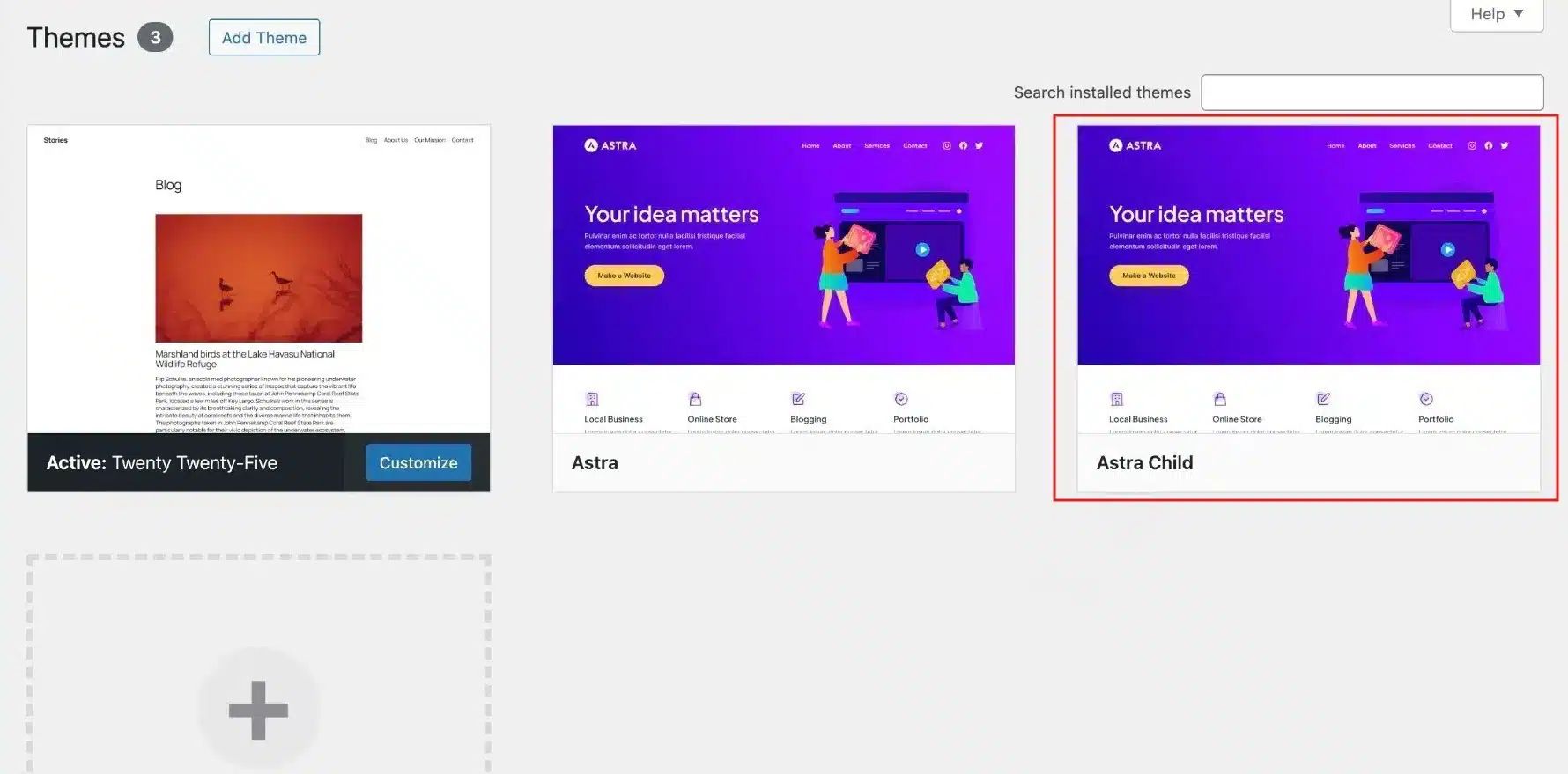
Changing Line Spacing in Full Site Editing (Block) Themes
If your theme is a block theme, like Twenty Twenty-Four or newer default WordPress themes, you won’t find Appearance → Customise at all. WordPress replaced it with the Site Editor for these themes, and the line spacing controls moved with it.
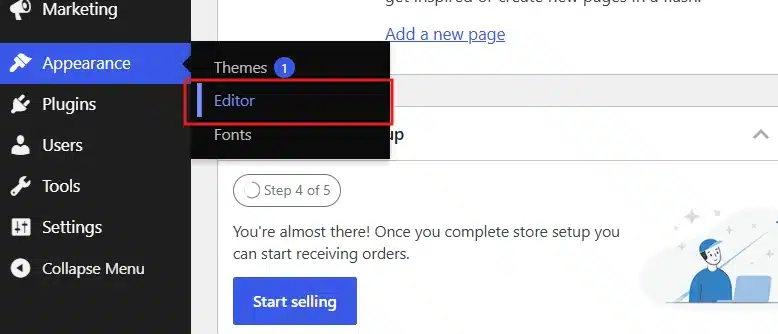
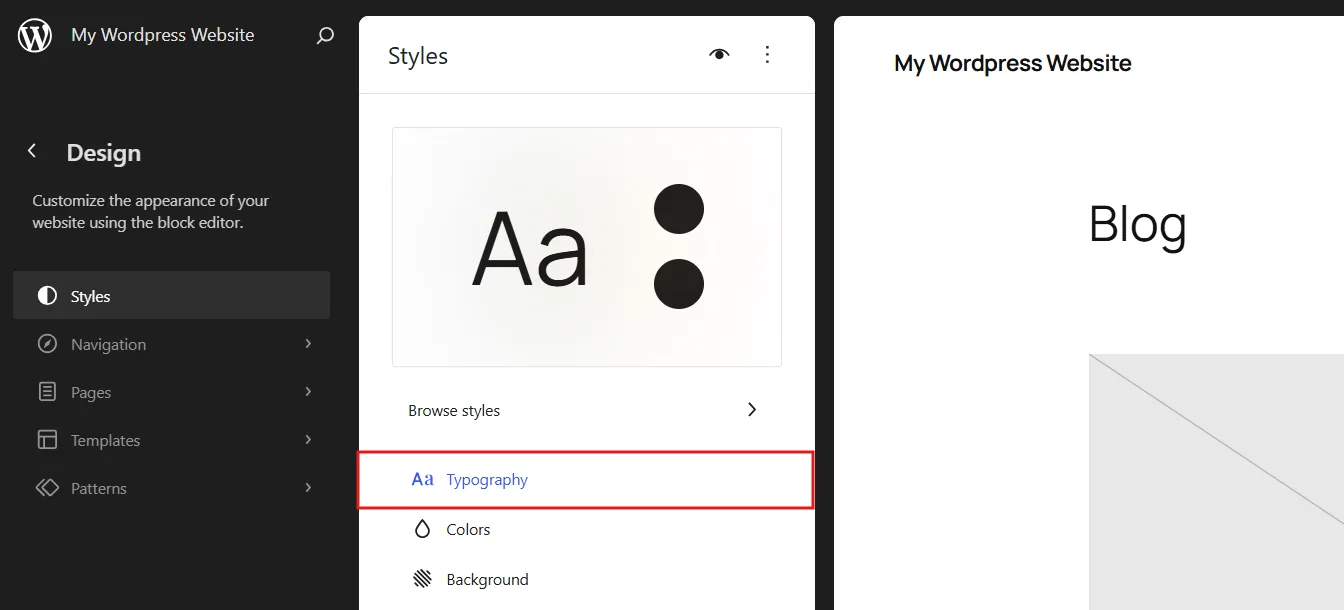
- Go to Appearance → Editor.
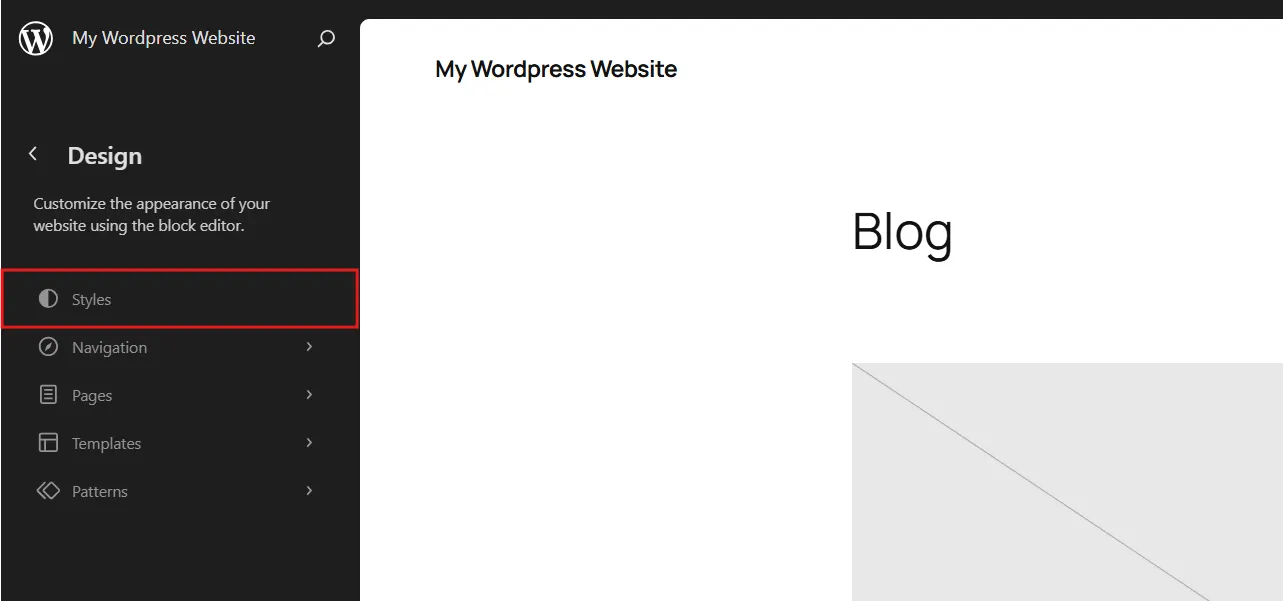
- Then, select the Styles Tab.
- Click the Typography Tab.
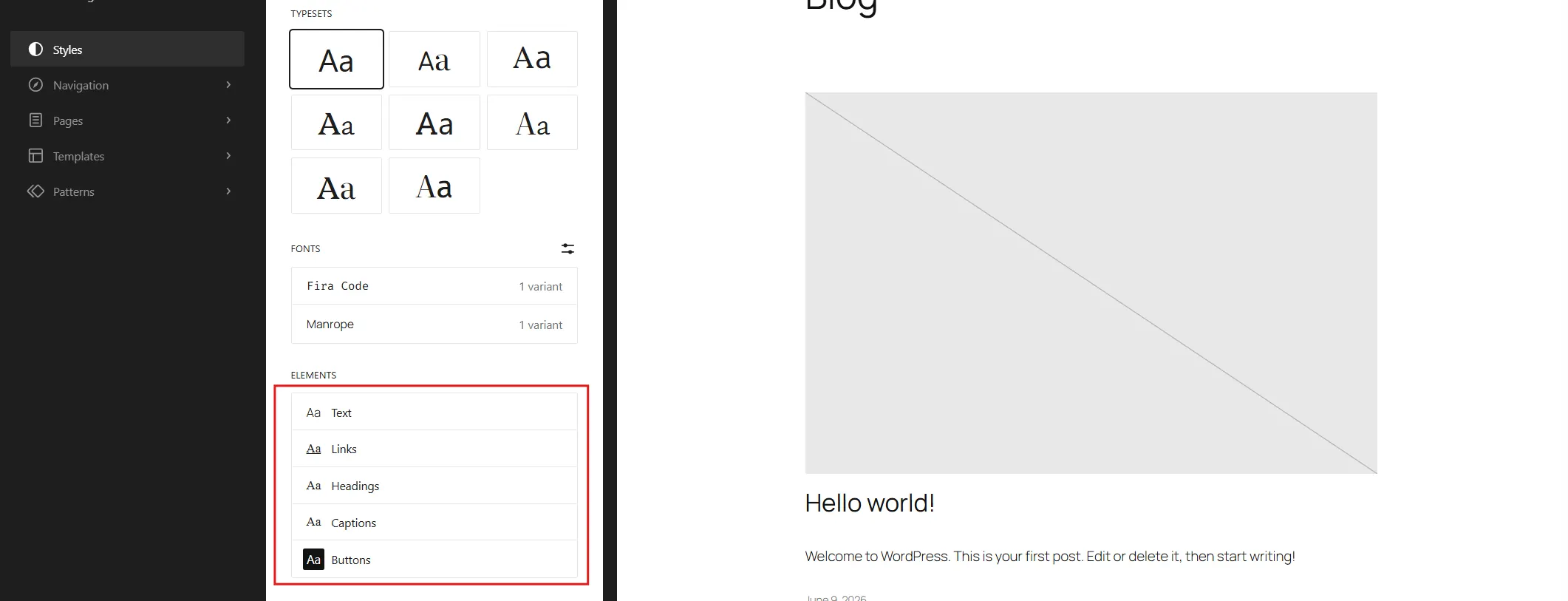
- Choose whether you’re editing text sitewide or a specific block type.
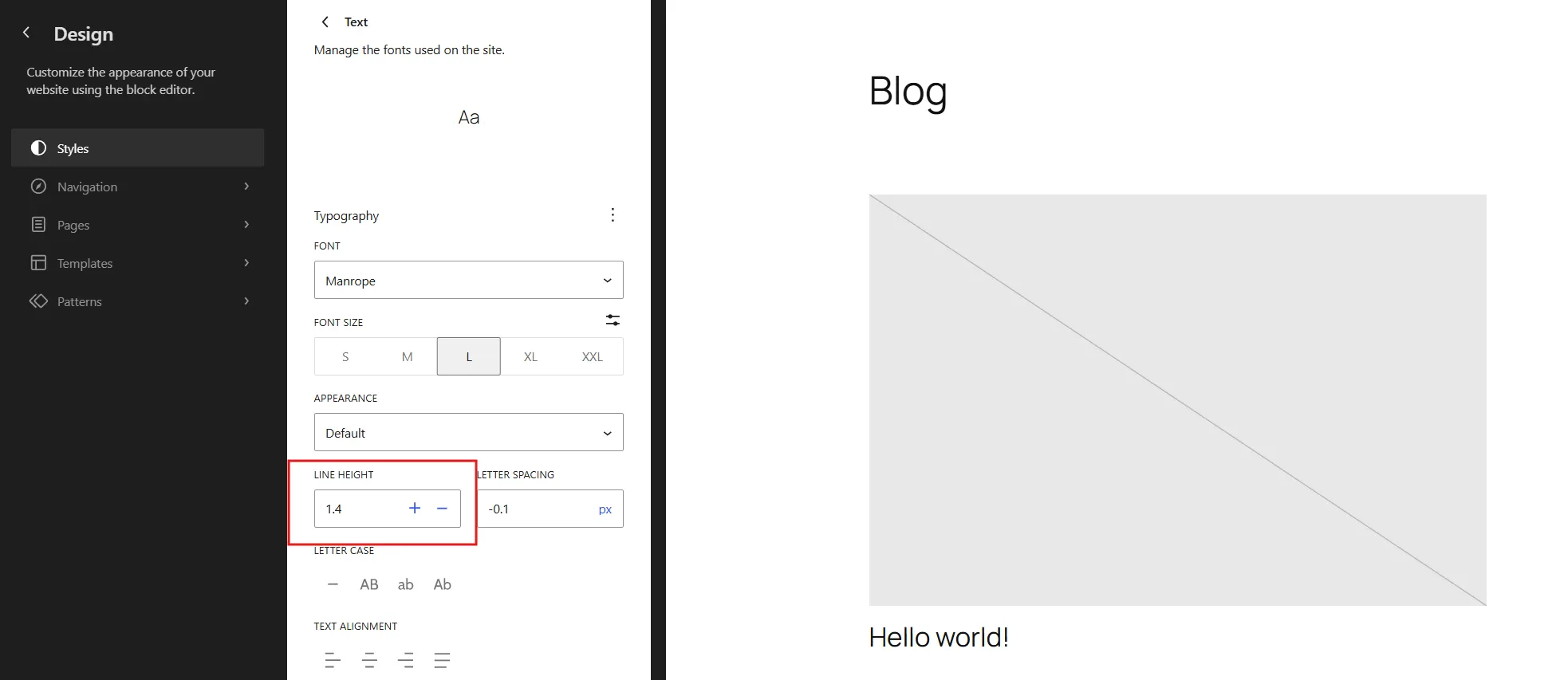
- Adjust the line height slider or enter a value directly.
- Click Save in the bottom left corner.
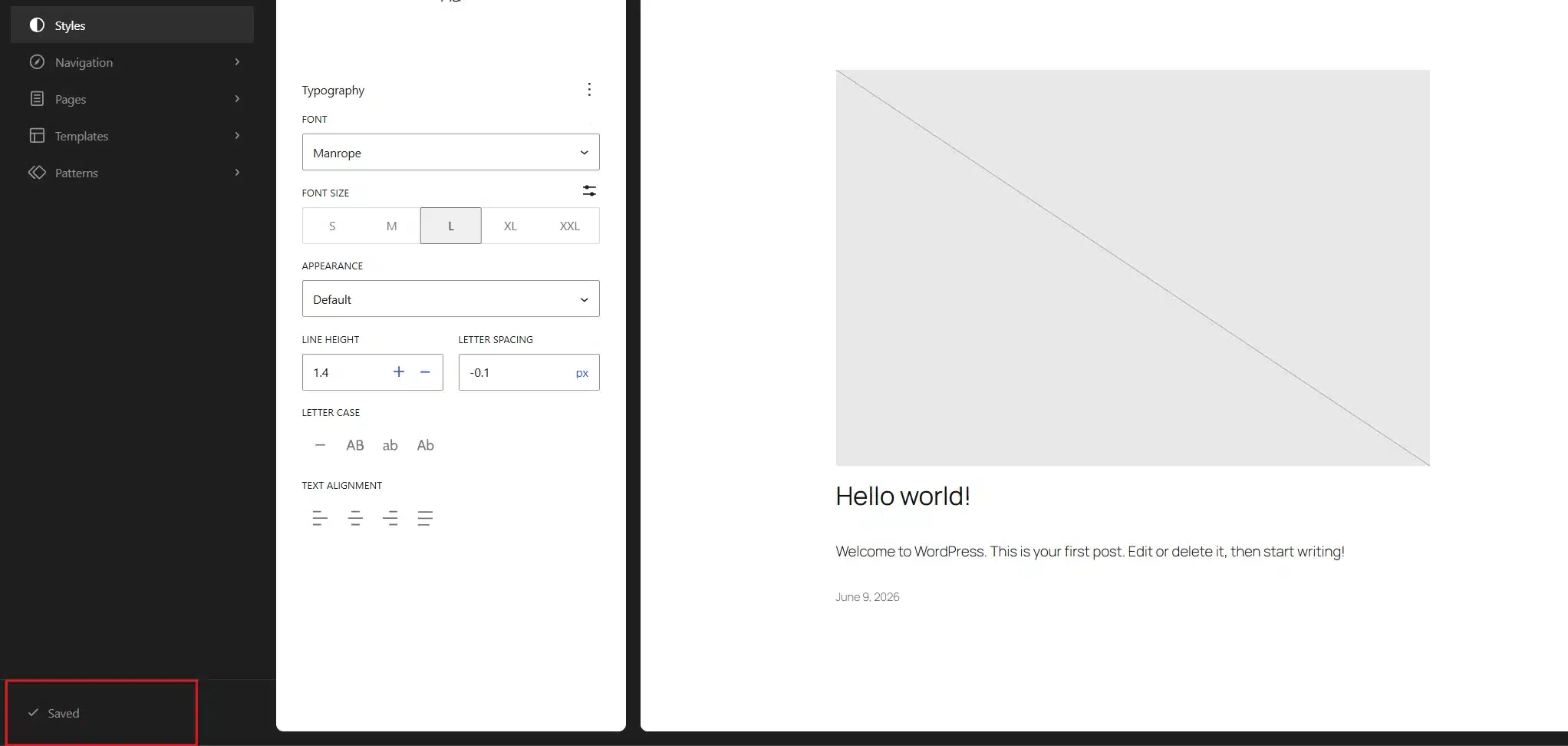
This writes the value into your theme’s global styles, which apply through CSS custom properties rather than a stylesheet you edit directly. Changes here apply sitewide immediately.
If your theme doesn’t have a Styles option under Appearance → Editor at all, it isn’t a full block theme yet. You’re better off using the Customizer or custom CSS methods above.
Twenty Twenty-Four and similar themes ship with multiple style variations built in. A line-height value you set may only apply to the variation you currently have active. Switching variations later can reset it. Check your Styles panel again after switching if your spacing suddenly looks different for no obvious reason.
Common Mistakes When You Change Line Spacing in WordPress
- Using pixel values instead of unitless numbers: A line-height of
24pxlocks that space regardless of font size. If an element inside another uses a bigger font, the spacing breaks. Unitless values like1.6scale correctly. - Setting body text below 1.4: It looks tighter on your screen while you’re editing. It feels cramped the moment a reader hits the page on mobile.
- Forgetting to check mobile after a desktop edit: Spacing set in the block editor doesn’t adjust per screen size on its own. What reads well at 1440 pixels wide can look excessive at 375.
- Editing theme files directly instead of using a child theme or Additional CSS: The next theme update erases it. This is the single most common support ticket related to “my CSS disappeared.”
- Not clearing the cache after a CSS change: If you’re running a caching plugin like WP Rocket or W3 Total Cache, your new spacing might not show up until you clear it. This trips up more people than the CSS itself does.
- Apply a site-wide change before checking what your theme already does well: Some themes already ship with well-tested spacing that matches their font pairing. Overriding it with a generic 1.6 across every element can undo work the theme developer already did for you. Check the default first, and only override what’s off. If you’d rather hand off a full typography pass, a quick review through WordPress development services usually covers font size, font color, and spacing in one go.
Conclusion
Line spacing looks like a small detail until you see it done right. That extra breathing room between lines is often the difference between a post people skim for ten seconds and one they actually finish reading.
The method you pick just depends on your setup. The block editor’s Typography panel handles individual blocks, custom CSS gives you sitewide control, and the Site Editor takes over if you’re running a block theme. Once you know which one your theme actually supports, changing line spacing in WordPress takes minutes, not a Saturday afternoon.
Start with a line-height of 1.5–1.8 for body text, check it on mobile before calling it done, and keep any custom CSS in a child theme so it survives your next update. Small setting. Real payoff.
Frequently Asked Questions (FAQs)
Q1. How do I remove extra space between paragraphs in WordPress?
That’s paragraph spacing, not line spacing, and it’s controlled separately. Add p { margin-bottom: 0; } to your Additional CSS to remove it entirely. Or adjust the margin value to reduce the gap instead of eliminating it.
Q2. Is a line-height of 1.15 or 1.5 better for readability?
1.5 is the safer default for body text and matches WCAG accessibility recommendations. A value of 1.15 works for headings or dense UI text, but it’s too tight for paragraphs people are meant to read comfortably.
Q3. Why isn’t my custom CSS line-height showing up on my site?
Usually, a theme stylesheet with a more specific selector overrides your rule. Check what class wraps your content using your browser’s Inspect tool, and match that selector exactly in your CSS.
Q4. Does line-height affect page load speed or SEO?
No, adjusting line-height has no direct effect on load time or SEO rankings. It affects readability and time on page, which can indirectly support SEO through lower bounce rates.
Q5. Can I set different line spacing for mobile than for desktop?
Yes, but you’ll need a CSS media query since the block editor’s Line Height field doesn’t adjust per screen size on its own. Add a separate rule targeting @media (max-width: 768px) with a mobile-specific value.
Q6. How do I add space above or below a heading without changing line spacing?
That’s margin, not line-height. Add .entry-content h2 { margin-top: 30px; margin-bottom: 15px; } to your Additional CSS. Adjust the pixel values until the gap looks right against your body text.
Q7. Can I change line spacing without editing every existing post?
Yes. A sitewide CSS rule in Additional CSS or the Site Editor’s Styles panel applies to every post and page automatically, past and future. You only need to edit individual blocks if you want a different spacing on one specific post.