


Learning how to redirect a page or URL in WordPress takes only a few minutes once you know where to look. Most sites won’t need a single line of code.
This guide skips long explanations and goes straight into working methods. You’ll find three ways to redirect a page or URL in WordPress, each broken into short steps you can follow along with.
Pick whichever fits your setup. A plugin gives you a no-code fix, .htaccess gives server-level control, and WordPress’s built-in slug redirect handles a fast rename.
Whichever method you choose, the goal is the same. Send old traffic to the right place, without losing rankings or leaving visitors stuck on a 404 page.
What a Redirect Does and Why It Matters
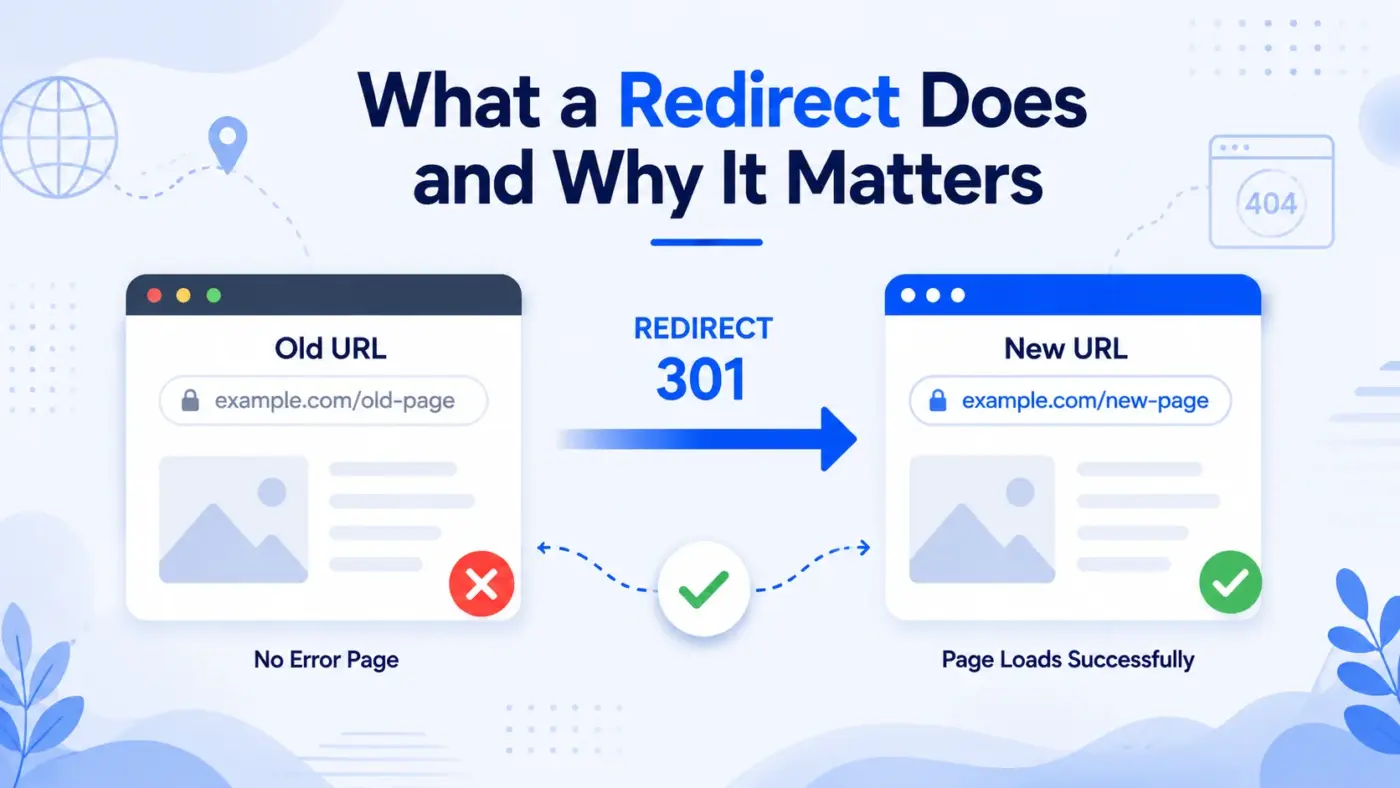
A redirect points visitors from an old URL to a new one automatically, without them ever seeing an error page. WordPress needs this whenever you delete a page, rename a slug, or move your site to a new domain.
Skipping this step costs more than it looks like. Broken links is a documented problem. An Ahrefs study found that 66.5% of links pointing to 2 million+ Checked websites since 2013 have gone dead. Redirects are what keep your own links off that list.
Every WordPress page has a permalink, the address people click to reach it. Change that address, and the old one needs somewhere to go, or it turns into a broken link and a 404 error.
301 vs 302: Which One Do You Need?
Choose a 301 redirect when the move is permanent, like a deleted page or a renamed slug. This is the setting to use whenever you redirect a page or URL in WordPress for good. It passes almost all the original page’s ranking power to the new URL. Search engines then treat the new address as the real one going forward.
Choose a 302 redirect only when the change is temporary, such as a short sales page. Google has confirmed that permanent redirects cause no loss in ranking authority, so a 301 carries no SEO penalty.
Getting this backwards is a common mistake. A permanent move left on a 302 for months can slow down how fast the new page ranks. Search engines hold off on passing full authority to a page they still expect to change back.
Quick Decision: Which Method Fits You?
| Your Situation | Best Method |
|---|---|
| Comfortable with a dashboard, not with code | WordPress plugin |
| Comfortable editing server files, want zero plugins | .htaccess file |
| Renaming one existing page, want the fastest fix | Built-in slug redirect |
| Moving dozens of pages at once | Plugin with bulk CSV import |
Method 1: Redirect a Page or URL in WordPress Using a Plugin
This is the fastest option if you want to avoid touching server files entirely.
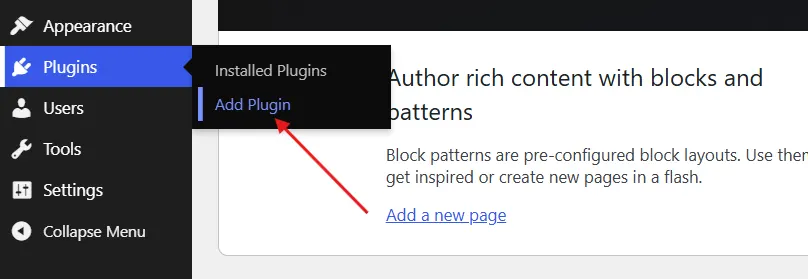
- From your WordPress dashboard, go to Plugins → Add Plugin.
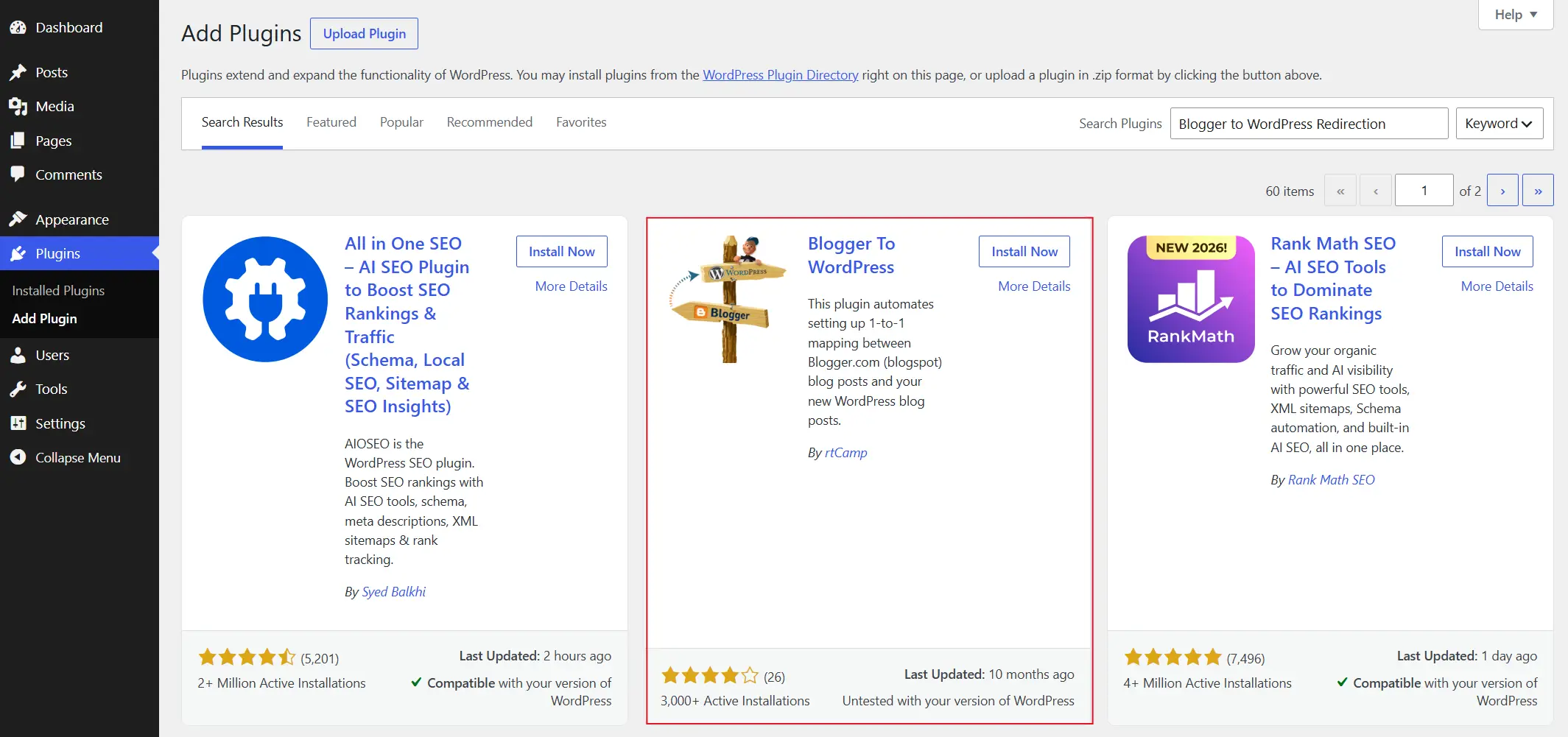
- Install and activate Redirection from the WordPress Plugin Directory.
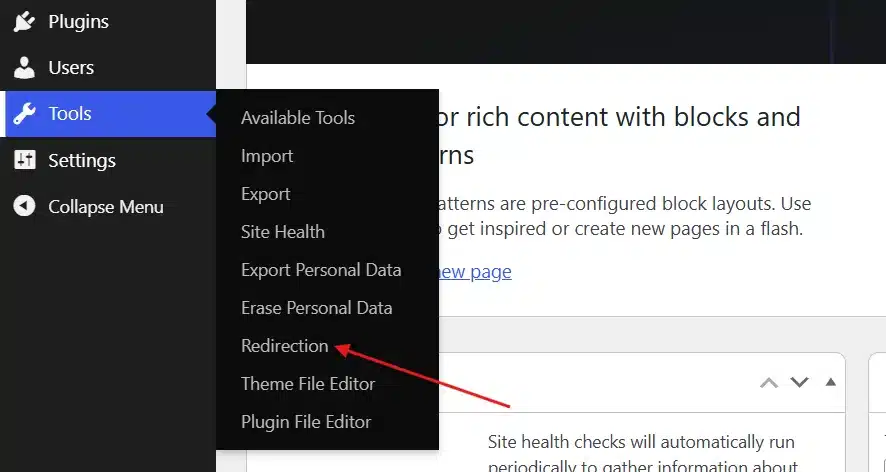
- Go to Tools → Redirection to access redirection options.
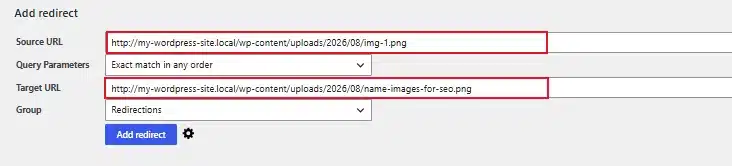
- Enter the old page’s path in the Source URL field and the new page’s path in the Target URL field.
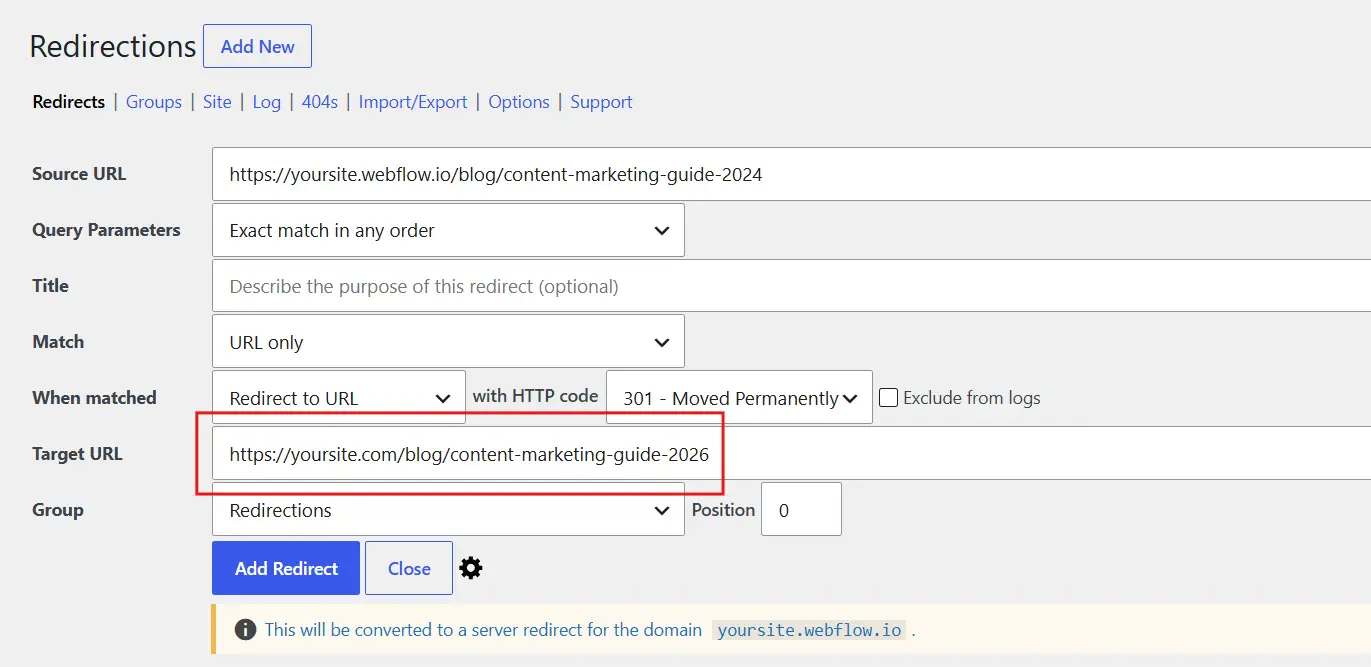
- Set the type to 301 for a permanent move or 302 for a temporary one and click Add Redirect.
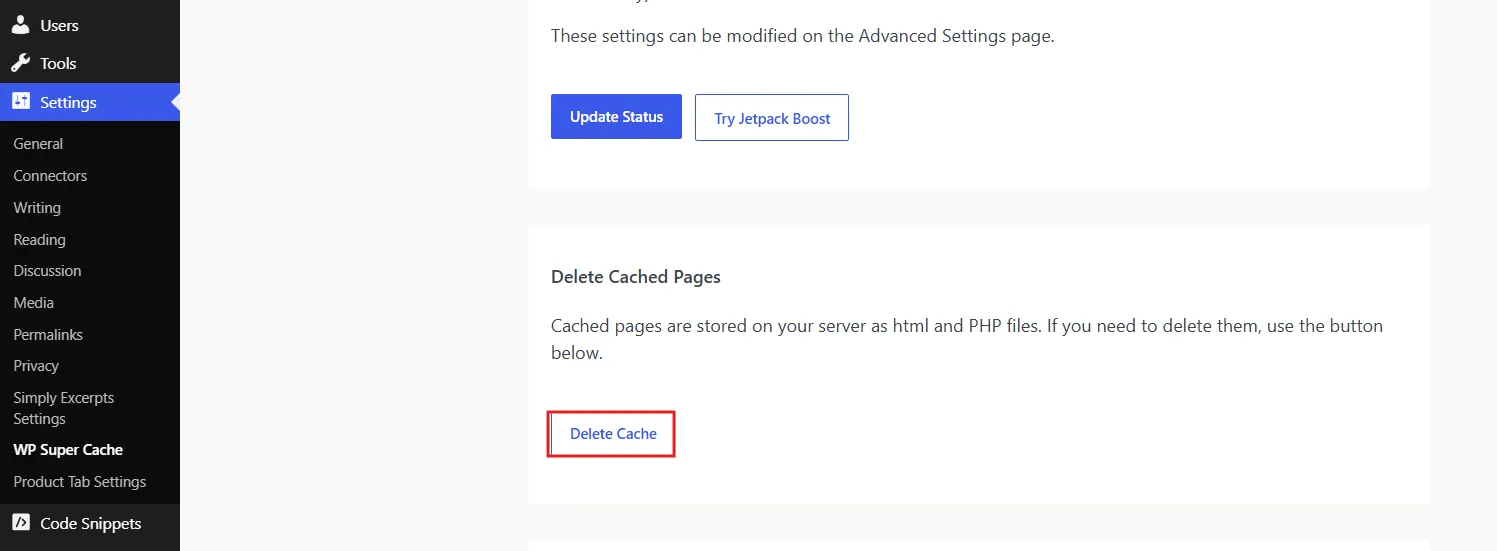
- Then clear the Cached pages using a caching plugin like WP Super Cache.
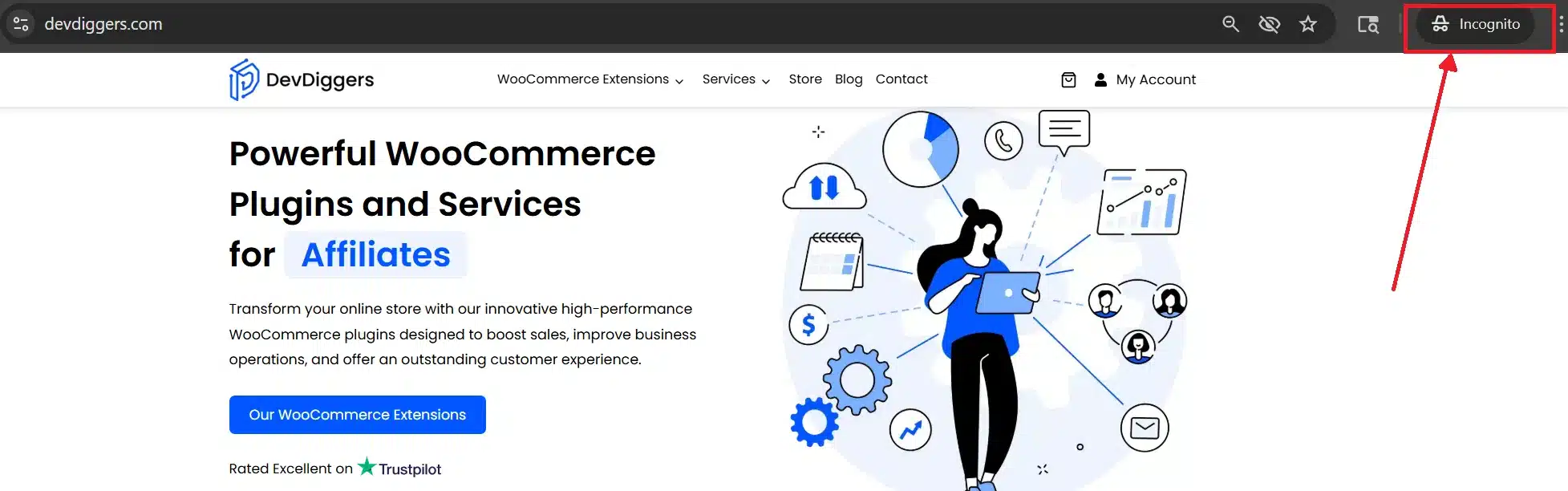
- Open the old URL in a private browser window to confirm it lands on the new page immediately.
Managing a large migration? Most redirect plugins accept a CSV file with old and new paths listed side by side. That saves you from adding hundreds of redirects one at a time.
Method 2: Redirect Using the .htaccess File
This works directly on the server with no plugin involved. Use it if you want to redirect a page or URL in WordPress without adding any extra tools.
- Go to your Site folder directory, change the name of
.htaccessfile to Back up. One typo here can take the whole site down.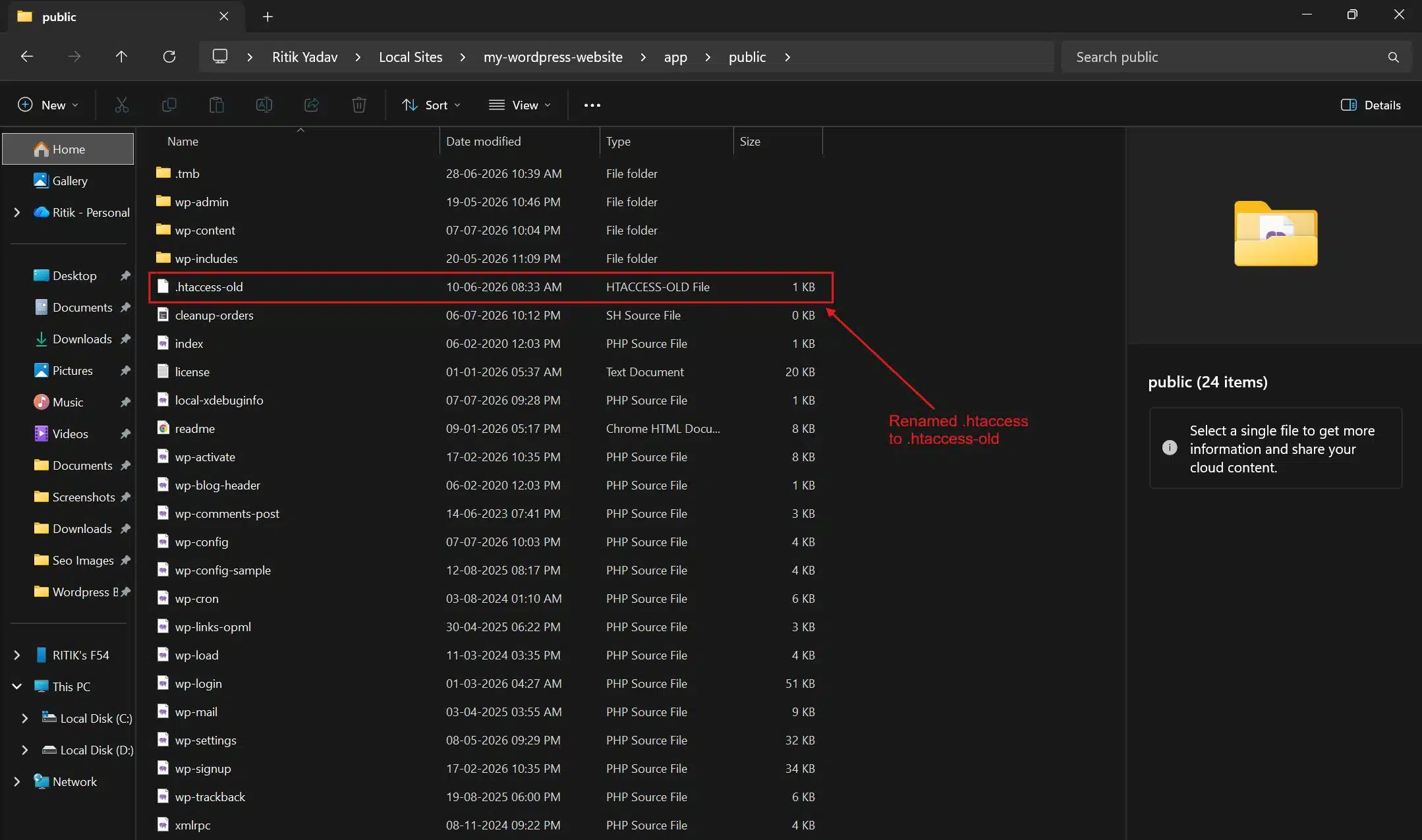
- Add a line like
Redirect 301 /old-page/ https://yourdomain.com/new-page/above the WordPress block, then save the file.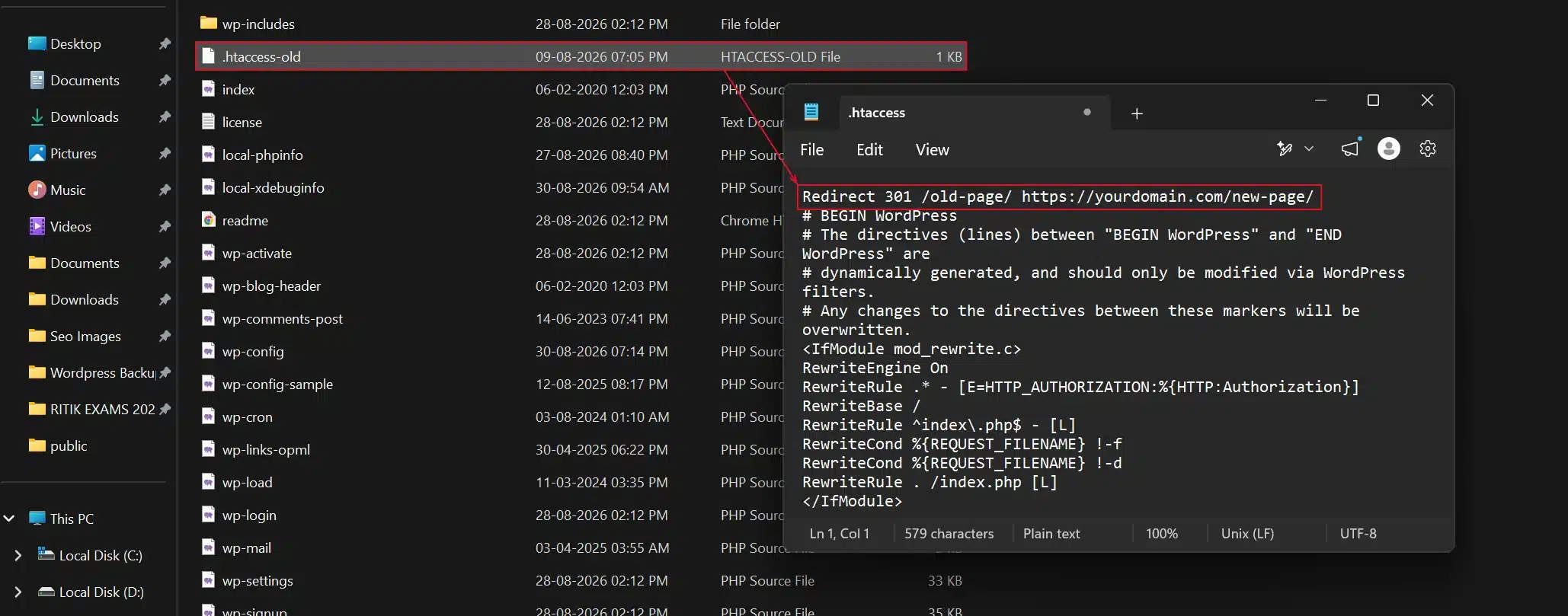
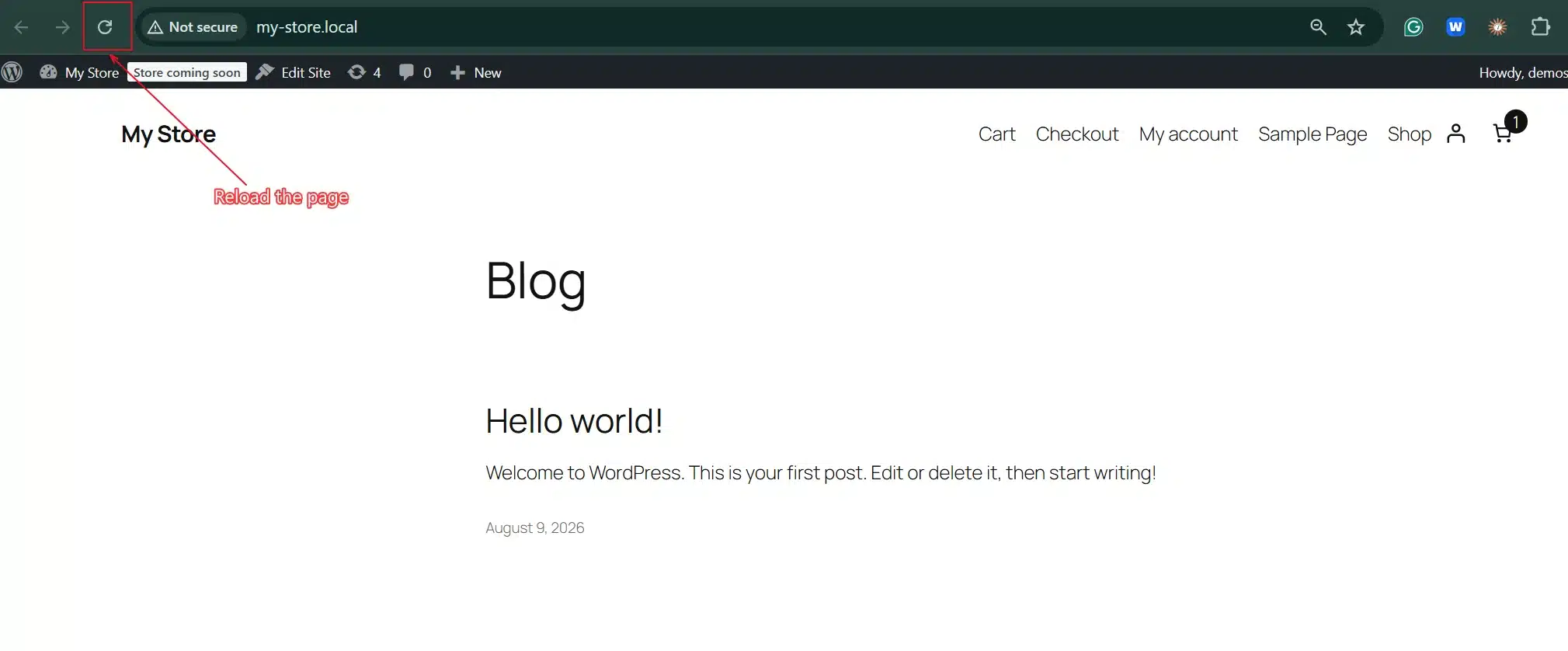
- Upload the updated file back to the same location, then reload the Old URL to confirm the redirect fires correctly.
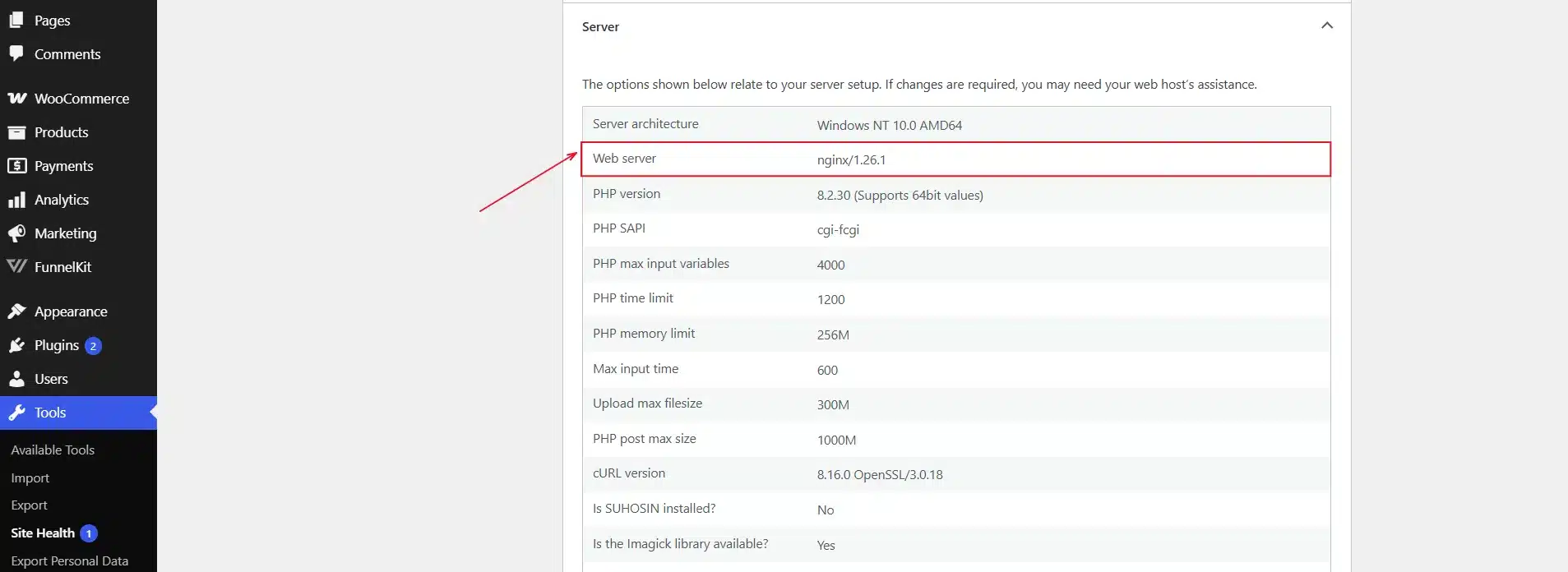
- If nothing happens, double-check your host runs Apache, not Nginx. This method needs a different configuration file on Nginx servers.
Method 3: Redirect Using WordPress’s Built-In Slug Redirect
Renaming a published page’s slug can trigger a redirect on its own, with no plugin and no file access required. This is the quietest way to redirect a page or URL in WordPress. This native behavior, sometimes called a canonical redirect, only applies to content that’s already published.
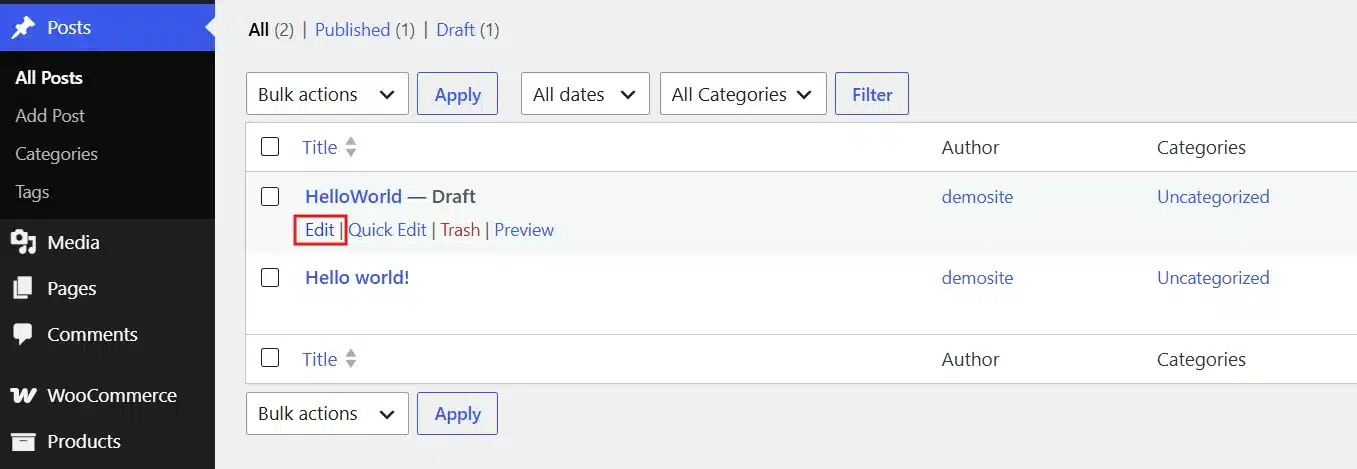
- Open the page or post you want to rename from your WordPress dashboard’s editor.
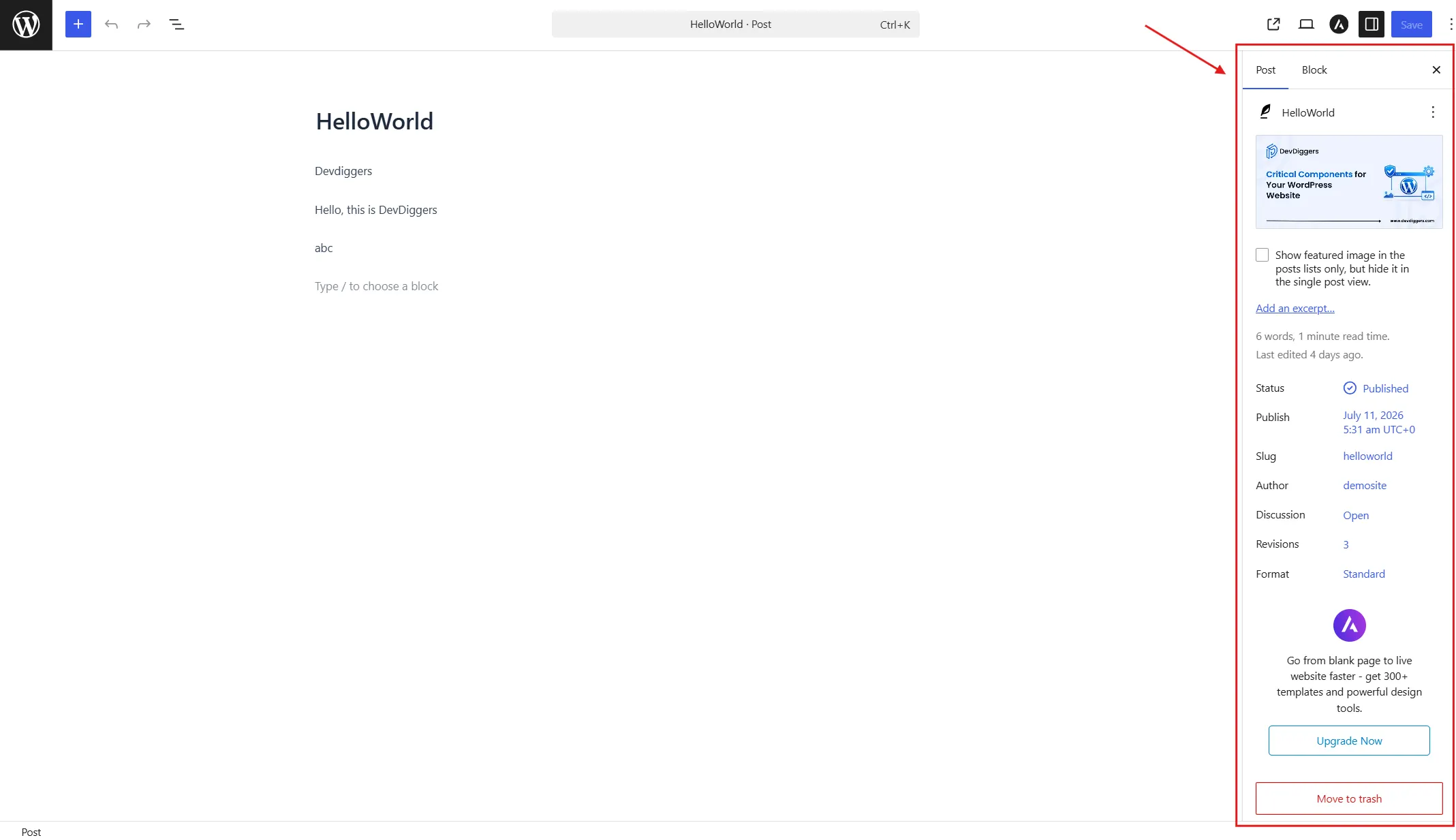
- Go to Post tab to access the link setting of the post.
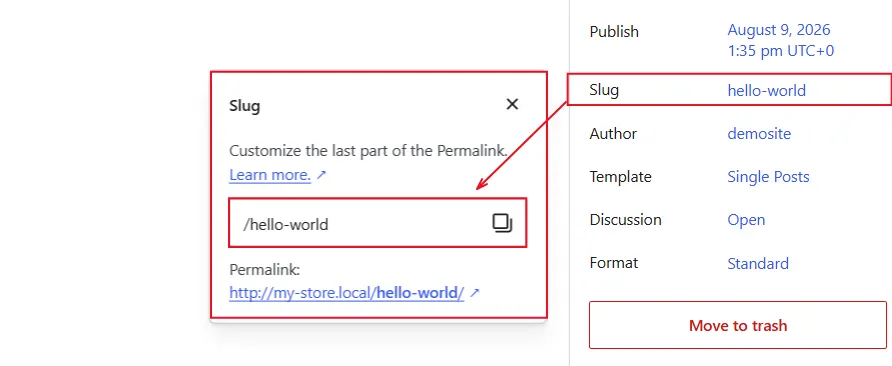
- Click Slug next to the Post Status field below the title, then type in the new slug.
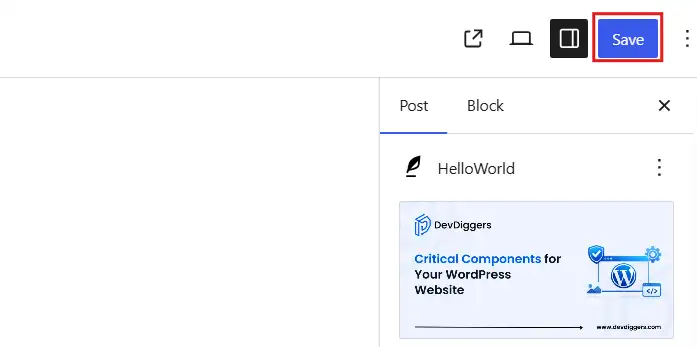
- Click Save to update all the changes. WordPress stores the old slug and forwards visitors from it automatically.
Limitation: It stops working the moment another page claims that old slug for itself. It’s best for a quick, one-off rename, not a full site migration.
How to Test That Your Redirect Works
Once you redirect a page or URL in WordPress, always confirm it before moving on. A redirect that looks correct in your plugin settings can still fail in the browser.
- Open a private or incognito browser window, separate from your regular one.
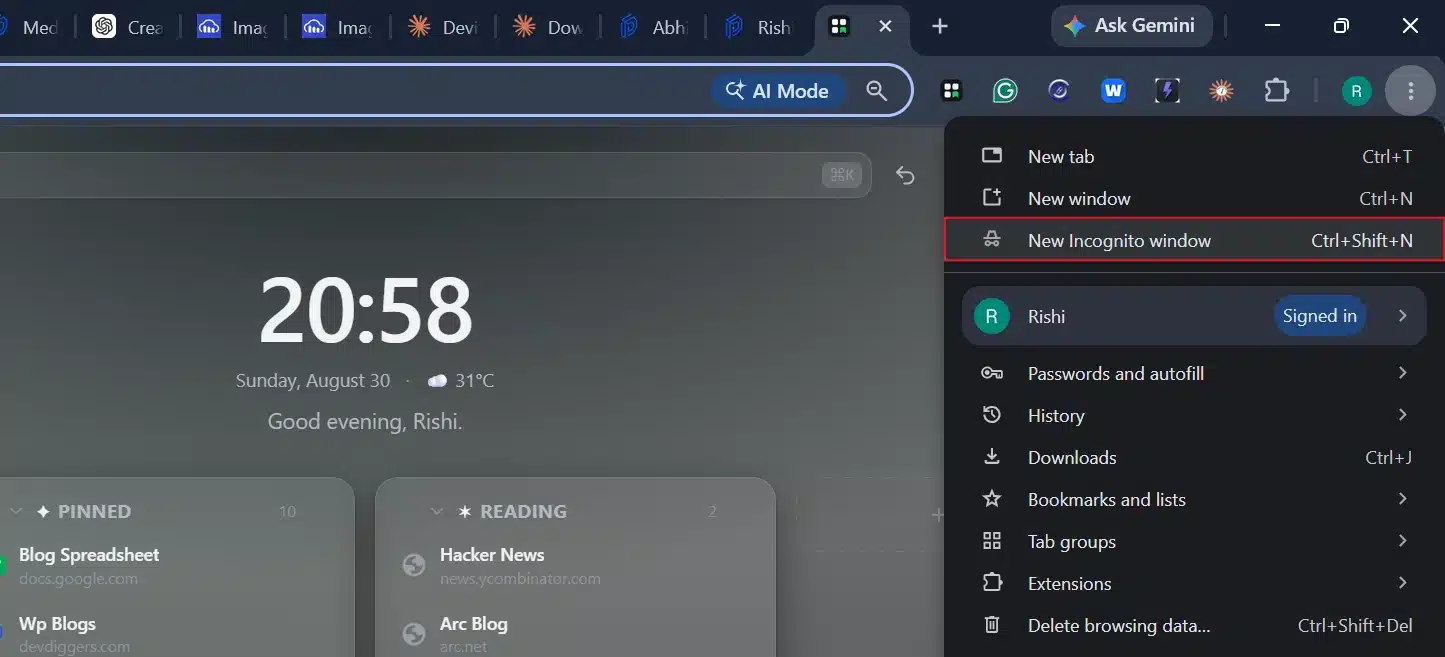
- Paste the old URL into the address bar and press Enter.
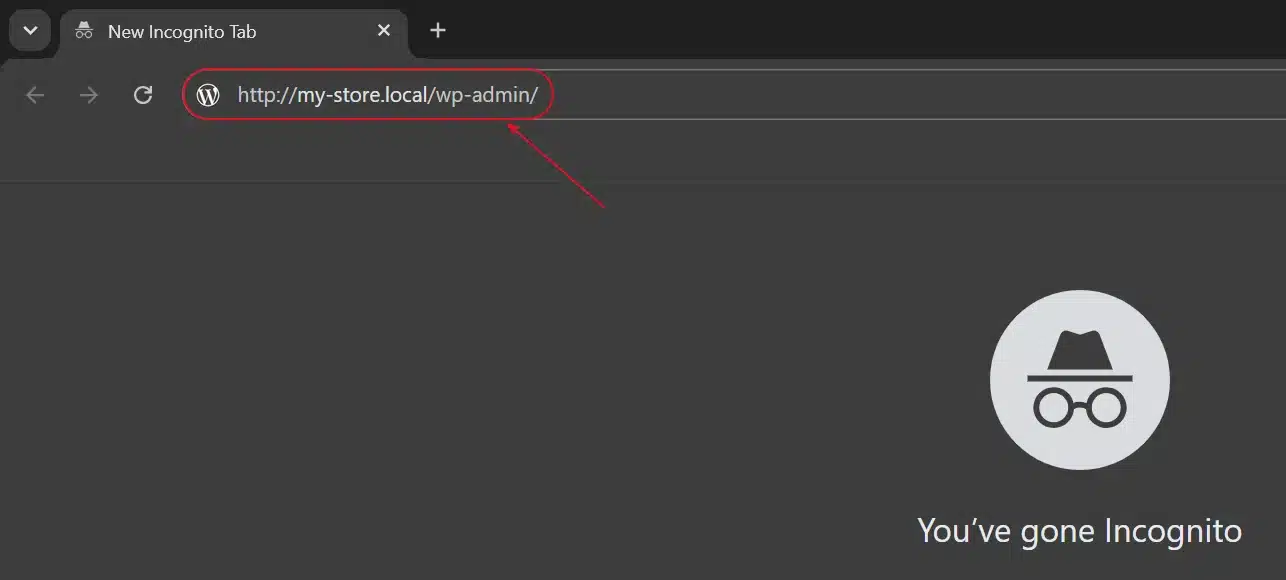
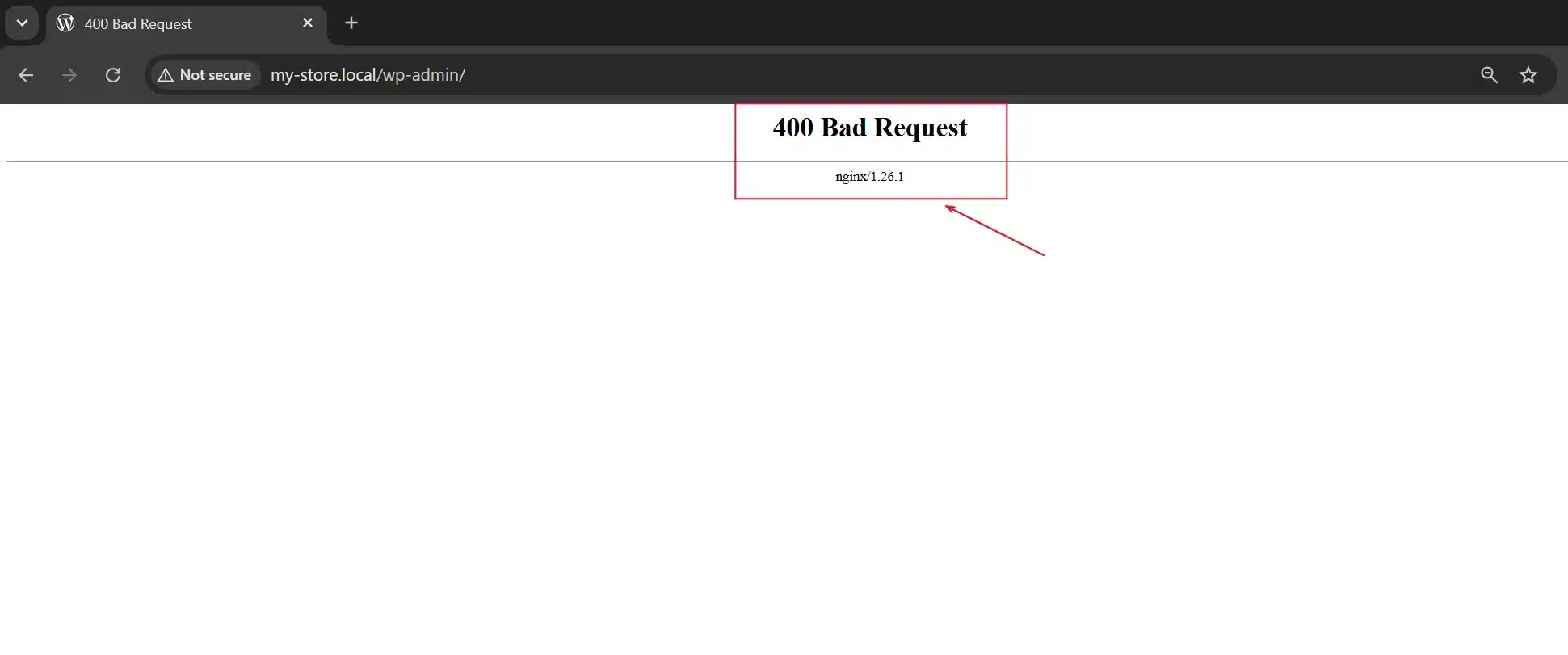
- Watch where you land. The new page means it works; an error means the redirect wasn’t saved. A loop back to the same page means two rules are fighting over it.
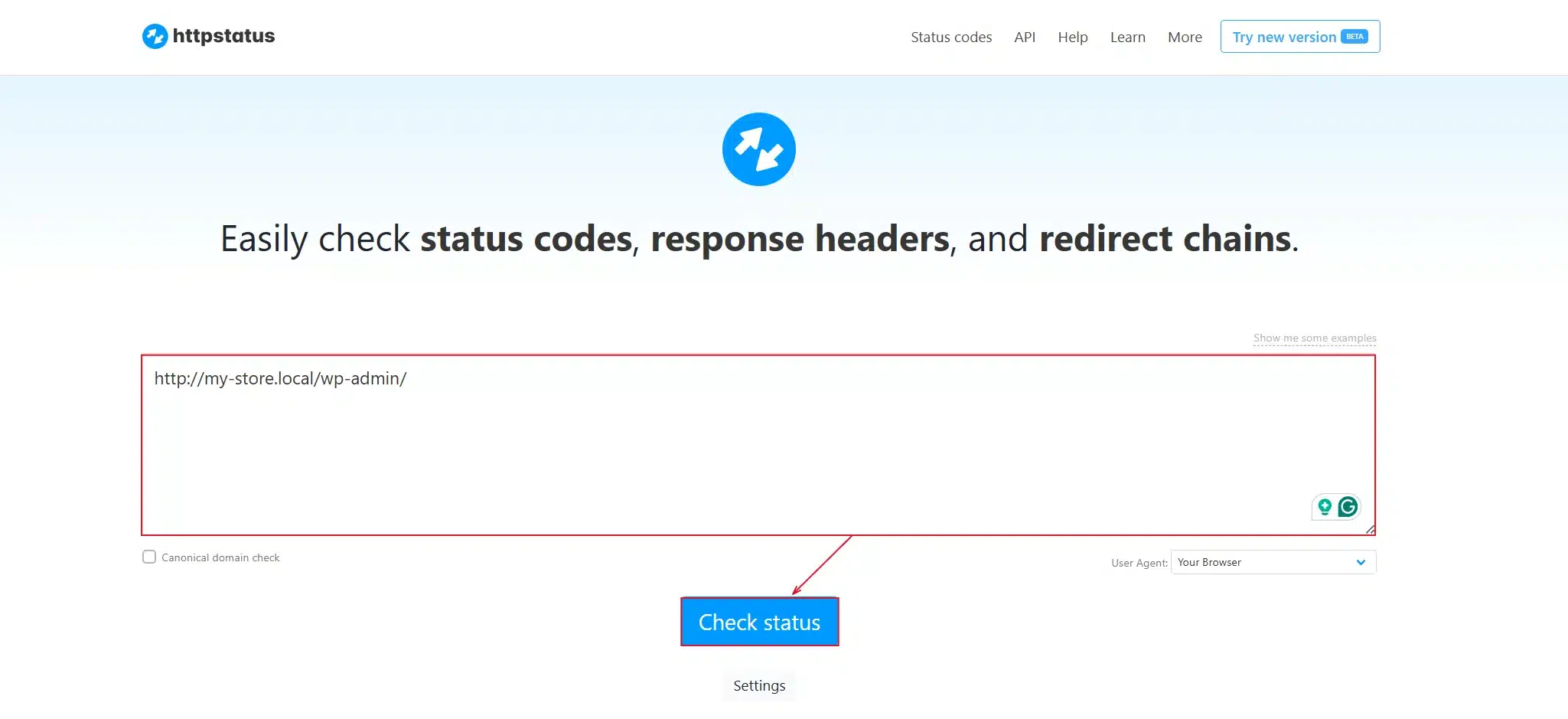
- Run the old URL through httpstatus.io to see the exact status code returned, confirming it’s a real 301 and not a soft redirect.
- For a second opinion, check the URL inspection tool inside Google Search Console. Give it a few days after a big migration before you draw conclusions, since Search engine bots don’t revisit every page instantly.
Common Redirect Mistakes That Break SEO or Create Loops
Even when you redirect a page or URL in WordPress correctly, a few common errors can undo the work. If your store also runs on WooCommerce, it’s worth pairing this with a broader look at critical components for your WordPress website, since redirects are just one piece of keeping a site healthy.
- Redirect chains: Page A sends visitors to B, which sends them to C. Every extra hop adds load time and Reduces some ranking value. Point A straight to the final destination instead.
- Redirect loops: A sends to B, and B sends back to A. This usually means a plugin and an
.htaccessrule are fighting over the same URL. - Wrong redirect type: A permanent move stuck on a 302 won’t pass full ranking value. The new page stays lower in results than it should.
- Unrelated destinations: Sending an old product page to your homepage avoids a 404, but it’s a poor match. Search engines notice the mismatch quickly.
- Forgotten internal links: A redirect fixes the front door, but links inside your own site still point to the old URL. Update them, or every click adds an unnecessary hop.
- Missing “/”: WordPress often treats
/pageand/page/as the same URL, but some redirect rules don’t. Test both versions if a redirect seems to work sometimes and not others.
Conclusion
Learning how to redirect a page or URL in WordPress is one of those skills that pays off the moment you need it. It’s worth learning once, so you’re never stuck when a page moves.
Once you’ve picked a method, the process itself only takes a few minutes. That’s true whether you go with a plugin, a manual .htaccess edit, or WordPress’s own slug redirect.
The part people skip is testing. Always open the old URL in a private window and confirm it lands where it should before you consider the job done.
Redirects protect the traffic, links, and rankings you’ve already earned. Set one up correctly, and visitors and search engines never notice anything changed at all.
Frequently Asked Questions (FAQs)
Q1. Does WordPress redirect automatically when I change a page’s URL?
Yes, but only for already-published pages. Rename the slug of an existing page, and WordPress stores the old one and forwards visitors from it on its own. This is the simplest way to redirect a page or URL in WordPress without touching a plugin.
Q2. What’s the difference between a 301 and a 302 redirect in WordPress?
A 301 tells search engines the move is permanent. It passes ranking value straight to the new URL. A 302 signals a temporary change, and ranking authority usually stays with the original page until the move is confirmed.
Q3. Can I redirect a page in WordPress without installing a plugin?
Yes. Edit the .htaccess file directly on an Apache host, or rename an existing page’s slug and let WordPress’s built-in redirect handle it.
Q4. Will redirecting a page hurt my search rankings?
Not if it’s set up correctly. A properly configured 301 preserves nearly all the original page’s ranking power. Rankings usually only suffer from missing, chained, or mismatched redirects.
Q5. How long should I keep old redirects active?
Indefinitely, in most cases. External sites can keep linking to an old URL for years, so removing a working redirect too soon brings back the exact errors you fixed.
Q6. What’s the best WordPress redirect plugin for beginners?
To redirect a page or URL in WordPress through a simple dashboard, try the Redirection plugin. It’s free, handles thousands of redirects, and needs no code. Yoast SEO’s redirect manager works well if you already use Yoast.
Q7. Do I need to redirect a page if I’m just fixing a typo in the URL?
Yes, if the page is already live and indexed. Even a one-letter slug change counts as a new URL to search engines, so the old address still needs somewhere to go.
Q8. Can I redirect an entire WordPress site to a new domain?
Yes, though it takes more setup than a single page. You’ll usually combine a domain-wide .htaccess rule with an updated sitemap, then submit the new domain in Google Search Console.
Q9. Does redirecting too many pages slow down my WordPress site?
A handful of redirects has no noticeable effect. Thousands of them, especially chained ones, can add slight delay, so keep your redirect list clean and remove ones you no longer need.
Q10. Can I redirect a page in WordPress to an external website?
Yes. Every method in this guide works the same way whether the destination is on your own domain or somewhere else entirely. Just use the full web address as the target.